Native Narratives
Indigenous Representation on Screen from The Lone Ranger to Rez Ball
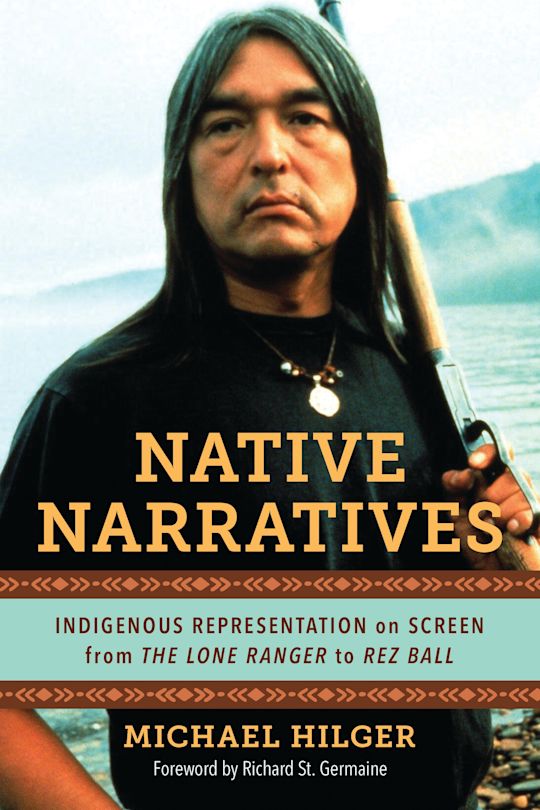

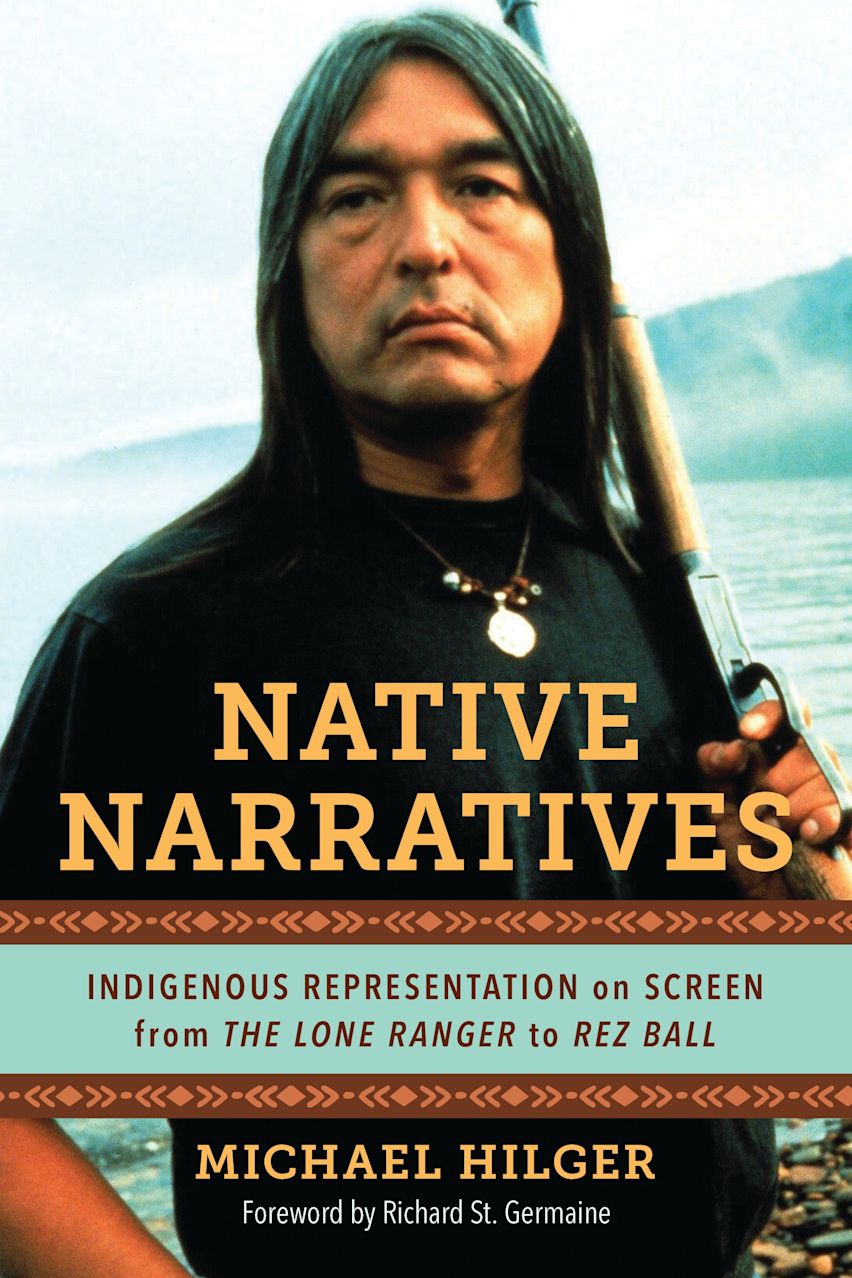
Native Narratives
Indigenous Representation on Screen from The Lone Ranger to Rez Ball
Buying pre-order items
Ebooks and Audiobook
You will receive an email with a download link for the ebook or audiobook on the publication date.
Payment
You will not be charged for pre-ordered books until they are available to be shipped. Pre-ordered ebooks will not be charged for until they are available for download.
Amending or cancelling your order
For orders that have not been shipped you can usually make changes to pre-orders up to 72 hours before the publishing date.
Payment for this pre-order will be taken when the item becomes available
Description
A thoughtful look at the progress-or lack there of-that Hollywood has made in moving away from negative stereotypes of Indigenous populations on screen.
With a growing commitment from Hollywood to support Indigenous films and filmmakers, particularly writers, directors, and actors, it is important to assess just how far the industry has come. As the racist depictions seen in classic Westerns like The Last of the Mohicans and Dances with Wolves become less common, movies and shows like Reservation Dogs and Killers of the Flower Moon are receiving national attention on unprecedented levels. Lily Gladstone's nomination for an Academy Award is a further example of how Indigenous creatives are breaking through industry barriers to boost Native American representation.
In Native Narratives: Indigenous Representation on Screen from The Lone Ranger to Rez Ball, Michael Hilger traces the evolution of often negative images and stereotypes of earlier depictions of Indigenous peoples to the more positive and inclusive movies and shows of today. He not only illustrates the “good, the bad, and the ugly,” but also points to the growing trend of Indigenous filmmakers telling their own stories and highlights how representation varies across genres ranging from romances and action films to coming-of-age stories and comedies. The book further reflects on where Hollywood still has room for improvement and where Indigenous creatives have found the most success. This is an important and timely reference for film fans and scholars seeking to better understand the history of Indigenous representation on screen.
Accessibility Information
Additional accessibility information
- PDF/UA-2, 1.4
- accessibility@bloomsbury.com
Hazards
The publication contains no hazards
Support for non-visual reading
Has alternative text descriptions for images
Navigation
- Page list to go to pages from the print source version
- Elements such as headings, tables, etc for structured navigation
- All or substantially all textual matter is arranged in a single logical reading order
Table of Contents
Acknowledgments
Chapter One. Introduction
Chapter Two. Common Stereotypes
Chapter Three. Motion Picture Language
Chapter Four. Boarding Schools and Forced Adoption of Indigenous Children
Chapter Five. Mistreated, Missing, and Murdered Indigenous Women
Chapter Six. Indigenous Coming-of-Age Films
Chapter Seven. Life on Reservations and Reserves
Chapter Eight. Indigenous People in Big Cities
Chapter Nine. Indigenous Humor in Films and TV
Chapter Ten. Romantic Films
Chapter Eleven. Action Films
Chapter Twelve. Indigenous Biopics
Chapter Thirteen. Conclusion
Bibliography
Notes
Index
About the Author
Product details

| Published | 15 Apr 2027 |
|---|---|
| Format | Ebook (PDF) |
| Edition | 1st |
| Pages | 200 |
| ISBN | 9798216371762 |
| Imprint | Bloomsbury Academic |
| Publisher | Bloomsbury Publishing |
Reviews
Related Titles