Socio-Critical Cinema in East Asia
Echoes of History, Justice, Inequality, and Social Change
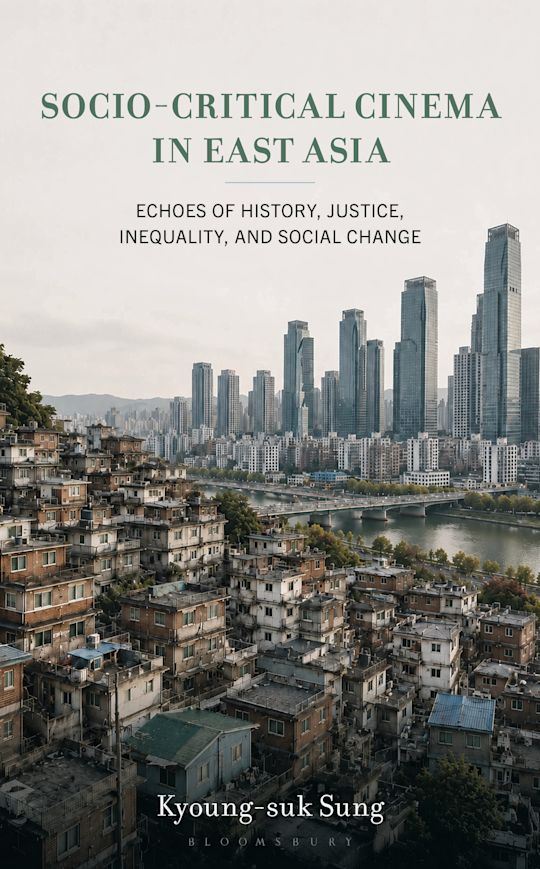

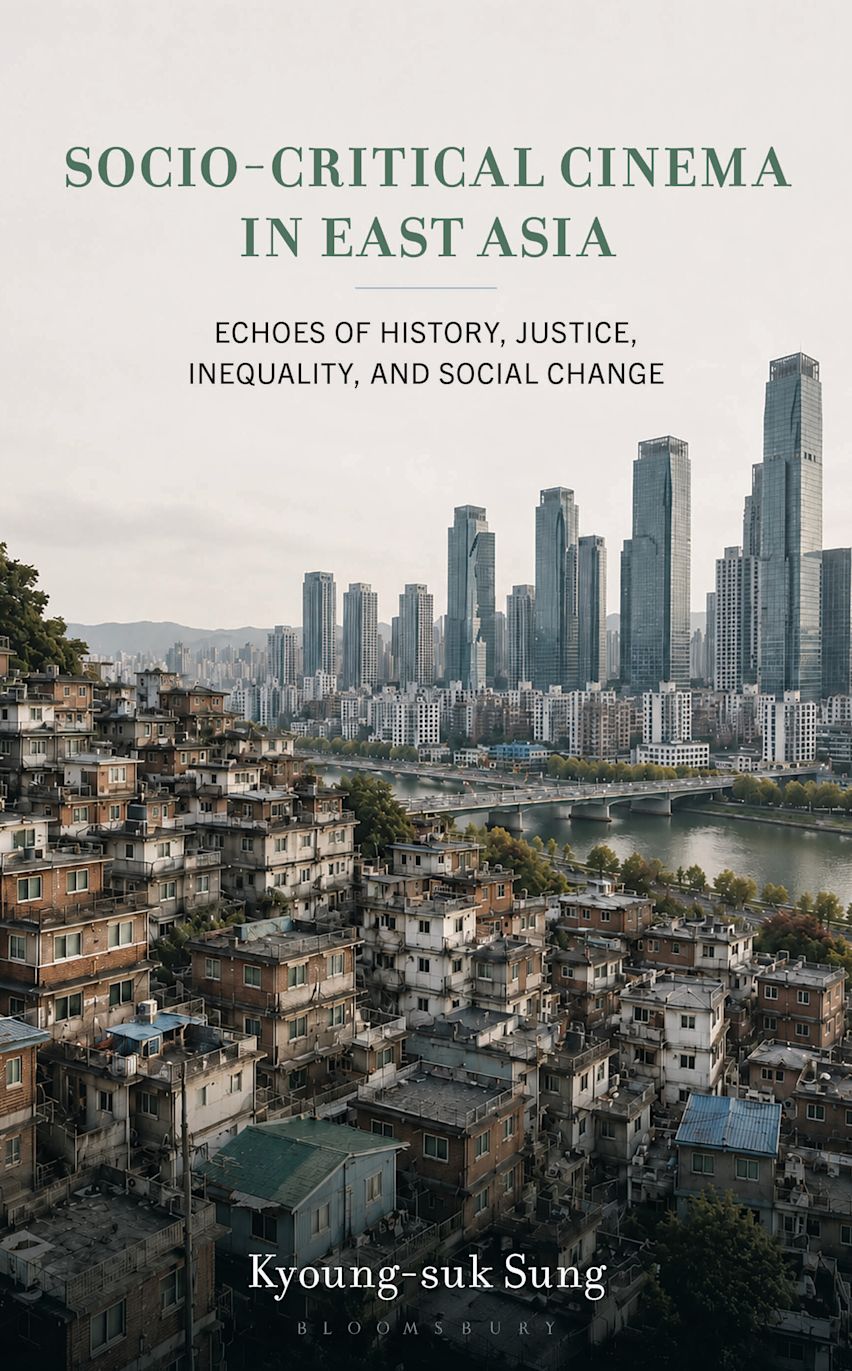
Socio-Critical Cinema in East Asia
Echoes of History, Justice, Inequality, and Social Change
Buying pre-order items
Ebooks and Audiobook
You will receive an email with a download link for the ebook or audiobook on the publication date.
Payment
You will not be charged for pre-ordered books until they are available to be shipped. Pre-ordered ebooks will not be charged for until they are available for download.
Amending or cancelling your order
For orders that have not been shipped you can usually make changes to pre-orders up to 72 hours before the publishing date.
Payment for this pre-order will be taken when the item becomes available
This product is usually dispatched within 10-14 days following the publication date
- Delivery and returns info
-
Free UK delivery on orders £30 or over
Description
Kyoung-suk Sung applies film sociology to socio-critical cinema across South Korea, Japan, China, Hong Kong, and Taiwan, tracing how East Asian cinema confronts social injury, historical memory,
institutional failure, and social justice.
Situating socio-critical cinema in relation to the social problem film, Sung extends her analysis beyond a single national tradition or genre to consider how documentary, animation, and popular genres such as courtroom drama, disaster cinema, and true crime give form to social conflict and organize public feeling across theatrical and digital platforms.
Through close analysis of key East Asian films such as Parasite (2019) and The Murmuring (1995) and their public reception, Sung identifies recurring themes, including colonial and wartime violence, contested histories, sexual violence, legal injustice, class polarization, state authority and surveillance, disaster, and medical precarity, and interrogates the conditions under which cinema contributes to social change.
Sung positions socio-critical cinema as a cultural practice capable of transforming social problems into shared fields of emotional engagement, interpretation, and public debate over responsibility, memory, and reform. Its influence extends beyond the confines of the screen into audience response, journalism, festival culture, digital circulation, and civic response.
Table of Contents
Introduction: The Emergence and Evolution of Socio-Critical Cinema in East Asia
1. Socio-Critical Cinema and the Representation of History
2. True Crime and Cinematic Morality
3. Social Inequality and Polarization
4. Emotional Engagement and the Transformative Power of Socio-Critical Cinema
Conclusion: The Future of Socio-Critical Cinema in East Asia
Bibliography
Filmography
About Author
Index
Product details

| Published | 04 Feb 2027 |
|---|---|
| Format | Hardback |
| Edition | 1st |
| Pages | 256 |
| ISBN | 9781666970340 |
| Imprint | Bloomsbury Academic |
| Dimensions | 229 x 152 mm |
| Publisher | Bloomsbury Publishing |
Related Titles