
Christianity, Settler Colonialism, and Extractivism
Buying pre-order items
Ebooks and Audiobook
You will receive an email with a download link for the ebook or audiobook on the publication date.
Payment
You will not be charged for pre-ordered books until they are available to be shipped. Pre-ordered ebooks will not be charged for until they are available for download.
Amending or cancelling your order
For orders that have not been shipped you can usually make changes to pre-orders up to 72 hours before the publishing date.
Payment for this pre-order will be taken when the item becomes available
- Delivery and returns info
-
Free US delivery on orders $35 or over
Description
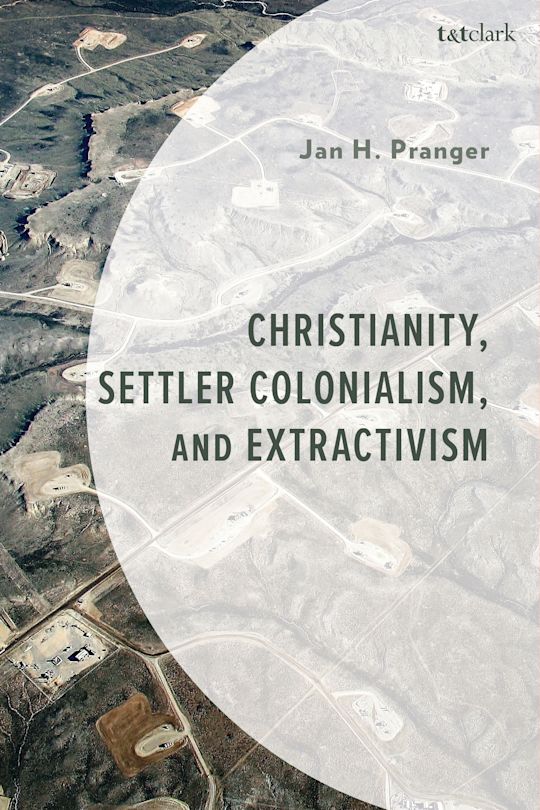
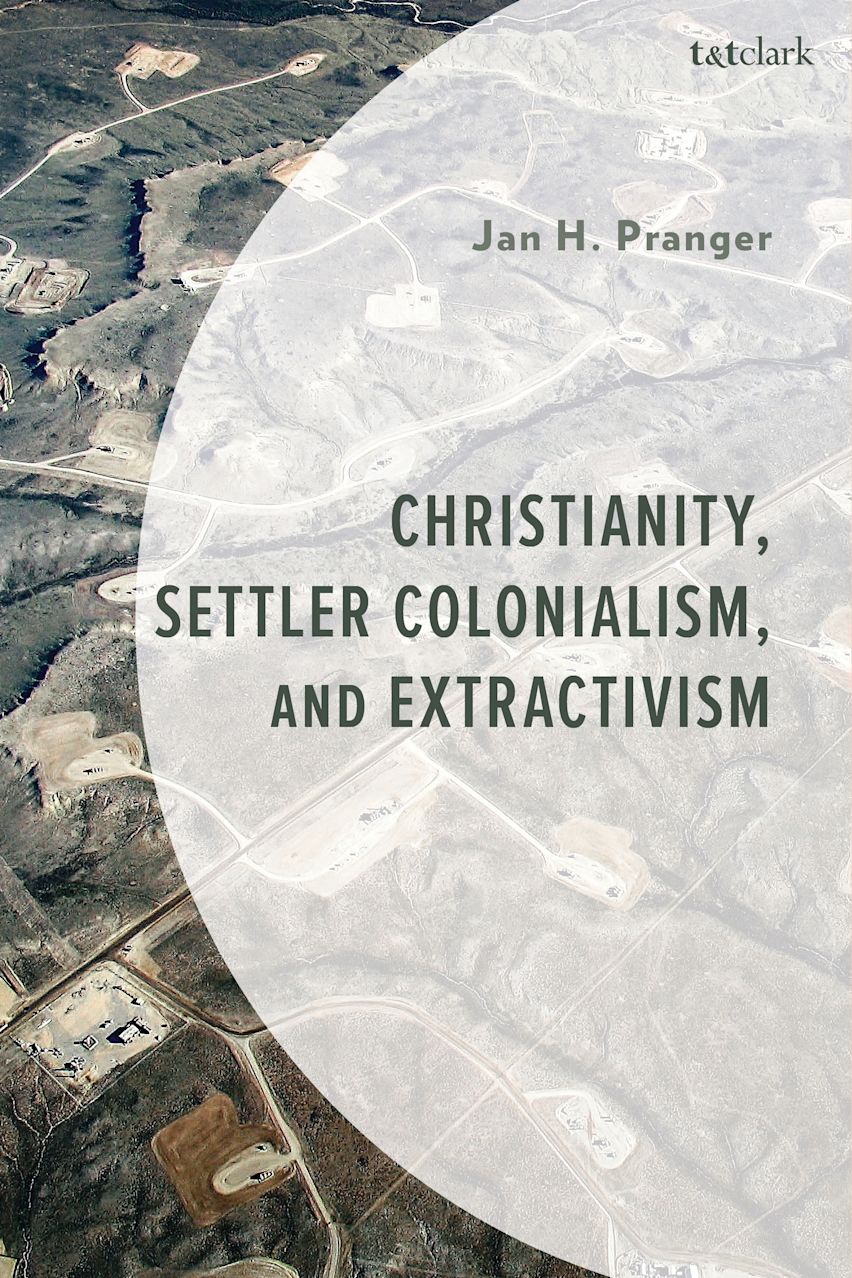
Informed by field research in the Bakken oilfields of North Dakota, this book discusses Christian congregations and Native American communities impacted by hydraulic fracking.
This book discusses the social, economic, and environmental changes imposed by the extractive industries on local Indigenous communities and the responses by Christian congregations to these changes. Jan Pranger provides a Christian theological and ethical perspective on resource extraction that draws on the study of settler colonialism. Employing settler colonial theory, the book incorporates the relationships between Native American and Euro-American settler communities and their reflection on theological and ethical discussions of resource extraction. Beginning by revisiting the Standing Rock protests against the Dakota Access Pipeline and the histories of colonization of local indigenous peoples, Pranger explores Christianity's role in the establishment of the United States of America as a settler colonial state. In essence, this book queries how Christianity has contributed to and been shaped by the structures, cultures, and spiritualities that enable the extraction of resources from Indigenous peoples and the earth's natural and mineral resources.
Table of Contents
Part 1: From Standing Rock to Williston
1: The Seven Council Fires and Fractured Solidarity
2: Fracking in the Bakken
3: Churches and Fracking
Part 2: Extractivism and Settler Colonialism
4: Extractivism and Religion
5: Colonialism, Extractivism, and Race
6: Settler Colonialism
7: Christian Settler Colonialism
Part 3: Decolonizing Settler Christianity
8: Toward Decolonizing Settler Theology
Product details
| Published | Dec 10 2026 |
|---|---|
| Format | Hardback |
| Edition | 1st |
| Pages | 304 |
| ISBN | 9781793624772 |
| Imprint | T&T Clark |
| Illustrations | 9 bw illus |
| Dimensions | 9 x 6 inches |
| Publisher | Bloomsbury Publishing |
Reviews
Related Titles