Classical Myth and Literature in Parody
Ancient and Modern

Classical Myth and Literature in Parody
Ancient and Modern
Description
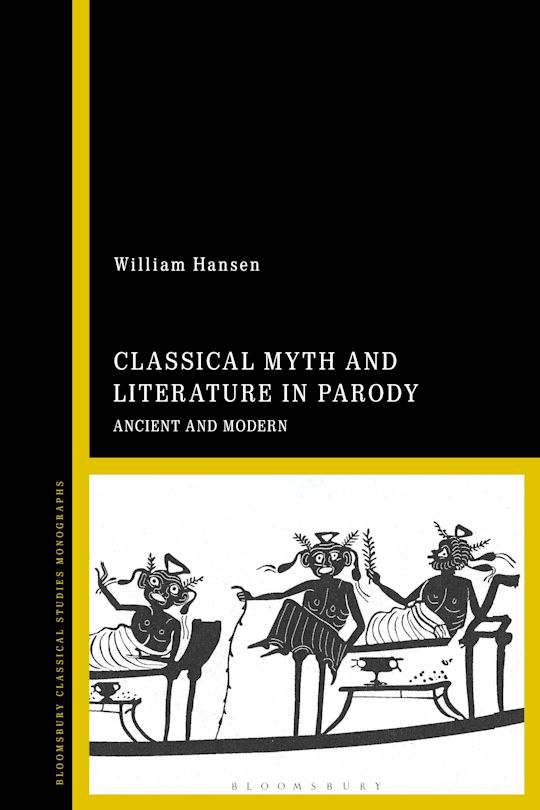
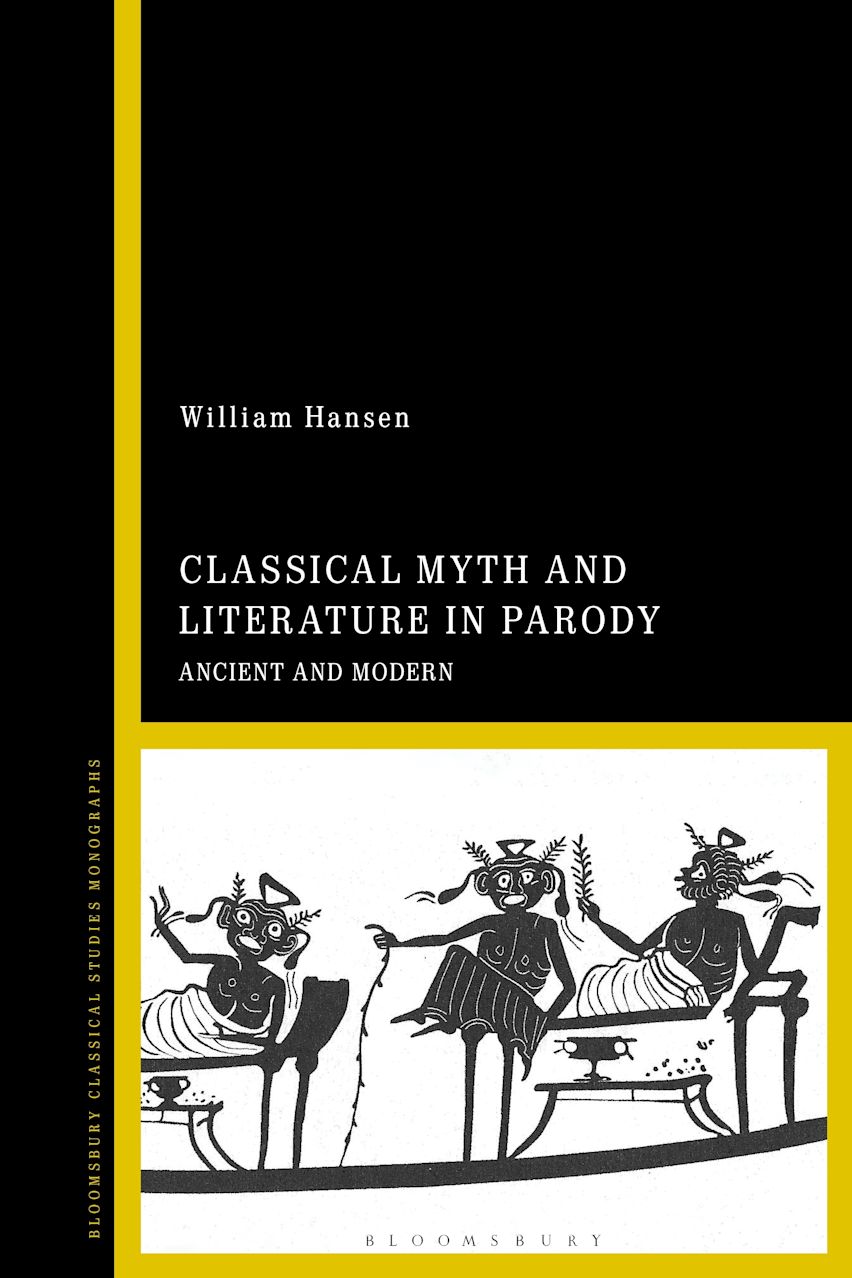
This book examines the evolution of classical parody, from its origins in ancient Greece and Rome to its resurgence in modern times. The book explores two key periods: the first from the sixth century BCE to the second century CE, and the second beginning in the 17th century, continuing today. In antiquity, writers like Aristophanes and Lucian parodied their own culture, relying on audiences' deep knowledge of Greek and Roman texts. This “insider” parody faded with the rise of Christianity and changes in language.
The second era of classical parody emerged during the Renaissance, as classical texts were rediscovered and studied in schools. Writers like Charles Cotton in England created “outsider” parody, mocking ancient literature learned in the classroom. This book focuses on English-language works, including The Comic Latin Grammar and Victorian burlesque theatre, which drew on classical mythology and history. The book also addresses the social and educational changes that shaped classical parody, such as the invention of the printing press and the influence of Renaissance humanism. It is the first comprehensive study of anglophone classical parody, revealing how authors through the centuries have reimagined and distorted classical texts for humorous effect.
Accessibility Information
Additional accessibility information
- EPUB 3.0
- Conforms with the requirements of EPUB Accessibility Spec v1.1
- WCAG level AA
- WCAG v2.2 compliant
- accessibility@bloomsbury.com
Hazards
The publication contains no hazards
Support for non-visual reading
- No accessibility features offered by the reading system, device or reading software are disabled or otherwise unusable with the product
- Has alternative text descriptions for images
Visual adjustments
Appearance of the text and page layout can be modified according to the capabilities of the reading system (font family and size, spaces, as well as color of background and text)
Navigation
- Page list to go to pages from the print source version
- Elements such as headings, tables, etc for structured navigation
- All or substantially all textual matter is arranged in a single logical reading order
- Content is enhanced with ARIA roles to optimize organization and facilitate navigation
- Purposes of all links are made clear
Rich content
Language tagging provided
Table of Contents
Preface
Acknowledgements
List of Abbreviations
Introduction
PART I. CLASSICAL PARODY IN ANTIQUITY
1. Aristophanes, Scenes from Old Comedy
2. Matron of Pitane, Attic Dinner-Party
3. Pseudo-Homer, Battle of the Frogs and Mice
4. Plautus, Amphitruo
5. Ovid, Metamorphoses
6. Lucian of Samosata, Gout and A True Story, plus Lucian's Hoaxes
7. Visual Parodies
Excursus 1
INTERMEZZO
8. Medieval Latin Parody
9. Byzantine Parody
Excursus 2
PART II. THE REINVENTION OF CLASSICAL PARODY
10. Classical Parody Redivivus
11. [Charles Cotton], Scarronides: or, Virgil Travestie. A Mock Poem on the First and
Fourth Books of Virgil's Æneis, in English, Burlesque
12. [Jonathan Swift], Baucis and Philemon; A Poem. On the ever lamented Loss of the two
Yew-Trees, in the Parish of Chilthorne, Near the County Town of Somerset
13. [Thomas Bridges], A Burlesque Translation of Homer
14. Musical Theatre
15. Mock Textbooks
16. Anonymous, “Carmen Possum”
17. A. E. Housman, “Fragment of a Greek Tragedy”
PART III. CLASSICAL PARODY TODAY
18. Maurice Baring, Unreliable History
19. W. C. Sellar and R. J. Yeatman, And Now All This
20. Will Cuppy, The Decline and Fall of Practically Everybody
21. Richard Armour, The Classics Reclassified
22. John Bailey, “Holp!”
23. Regius Professor of Greek, “A Note on the Use of the Strong Aorist Optative
Passive of p???? by Attic Poets of the Middle and New Comedies”
24. William Hansen, “The Structural Study of Myth, or Oedipus at the Sorbonne”
25. Anonymous, “A Warm, Fuzzy Story”
26. Light Verse
Overview
Bibliography
Index
Product details

| Published | Jun 11 2026 |
|---|---|
| Format | Ebook (Epub & Mobi) |
| Edition | 1st |
| Pages | 296 |
| ISBN | 9781350548053 |
| Imprint | Bloomsbury Academic |
| Illustrations | 15 bw illus |
| Publisher | Bloomsbury Publishing |

Reviews
ONLINE RESOURCES
Bloomsbury Collections
This book is available on Bloomsbury Collections where your library has access.
Related Titles