
Buying pre-order items
Ebooks and Audiobook
You will receive an email with a download link for the ebook or audiobook on the publication date.
Payment
You will not be charged for pre-ordered books until they are available to be shipped. Pre-ordered ebooks will not be charged for until they are available for download.
Amending or cancelling your order
For orders that have not been shipped you can usually make changes to pre-orders up to 72 hours before the publishing date.
Payment for this pre-order will be taken when the item becomes available
Description
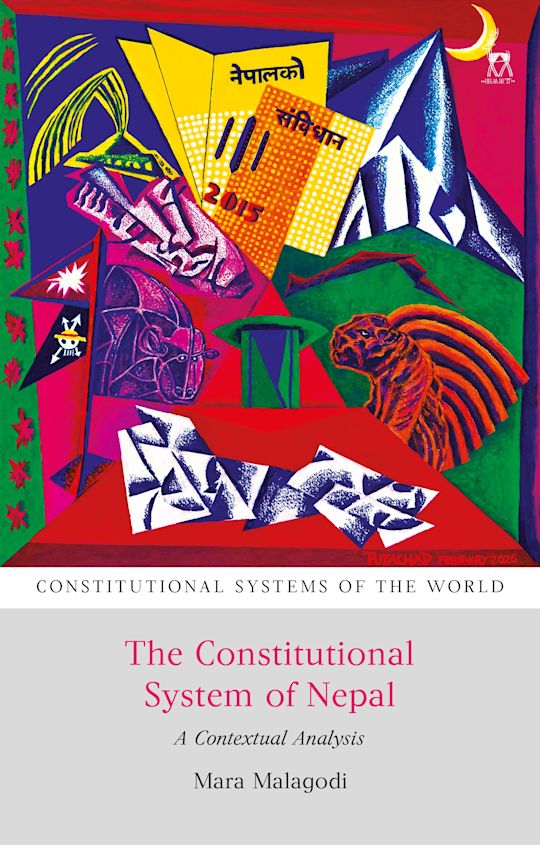
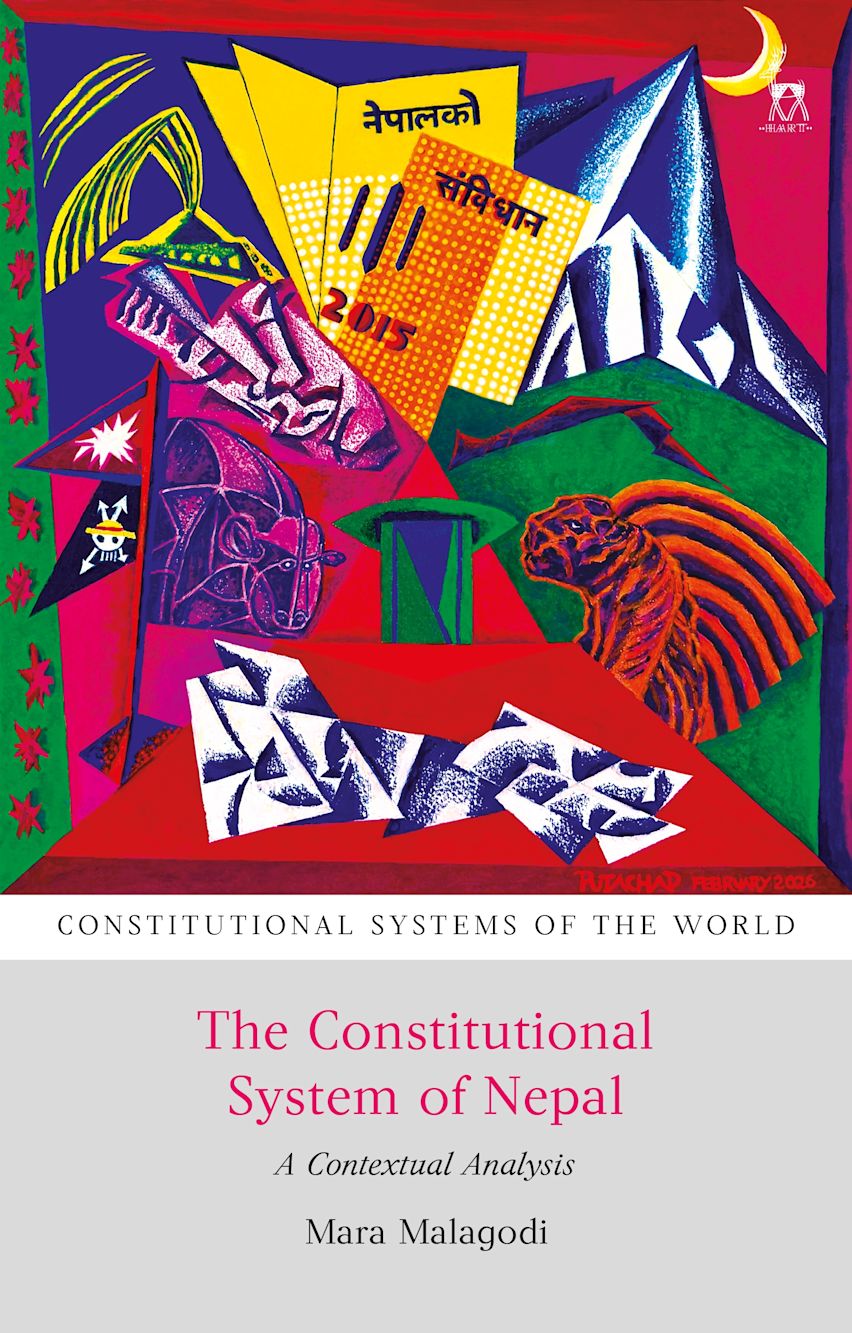
This book traces the evolution of Nepal's constitutional order through its history, politics, and social transformation, with particular emphasis on the 2015 Constitution, the country's seventh and current constitution. It examines the forces that have shaped constitutional change since Nepal's first experiments with constitutional democracy in the early 1950s.
The book identifies three defining themes in Nepal's constitutional development.
First, it explores the enduring challenge of constraining executive power. Despite adopting parliamentary government, Nepal has experienced repeated constitutional instability, including authoritarian rule, executive dominance, frequent government turnover, and the marginalisation of the legislature. Historical struggles between hereditary rulers and representative political forces have profoundly influenced constitutional institutions. Since 1990, the Supreme Court has become a central constitutional actor, intervening in major political crises while itself becoming the subject of political contestation.
Second, the book examines the constitutional politics of identity in one of South Asia's most diverse societies. Demands for inclusion, representation, and social justice have reshaped constitution-making and constitutional adjudication, influencing the civil war, the post-conflict transition, and implementation of the 2015 Constitution. By situating these developments within Nepal's history of monarchy, Hinduism, and social hierarchy, the book highlights how competing visions of nationhood continue to shape constitutional debates.
Third, the book analyses Nepal's exceptional record of constitutional replacement, with seven constitutions in fewer than eighty years. It argues that successive constitutional settlements reflect both domestic political struggles and the selective adaptation of foreign constitutional models.
Combining constitutional law, political history, and comparative analysis, the book provides a comprehensive account of constitutionalism's past, present, and future in Nepal.
Accessibility Information
Additional accessibility information
- PDF/UA-2, 1.4
- accessibility@bloomsbury.com
Hazards
The publication contains no hazards
Support for non-visual reading
Has alternative text descriptions for images
Navigation
- Page list to go to pages from the print source version
- Elements such as headings, tables, etc for structured navigation
- All or substantially all textual matter is arranged in a single logical reading order
Table of Contents
I. The Constitution of Nepal and Its Promise of Inclusion
2. Contextual Approach to Nepal's Constitutional Autochthony
3. Intersectional Inequalities and Nepal's Constitution
4. Scope of the Book
5. Brief Outline of the Chapters
Part One: Historical Overview
1. Introduction
2. Pre-1990 Constitutional Developments
2A. The Shah Period (1769-1846)
2B. The Rana Regime (1846-1951)
2C. The Democratic Interlude (1951-1960)
2D. The Panchayat Period (1960-1990)
3. 1990 Constitutional Developments
4. Post-Conflict Constitutional Settlement: The 2007 Interim Constitution
5. Election and Life of the First Constituent Assembly
6. Dissolution of the First Constituent Assembly
7. Conclusions: Finalising Nepal's 2015 Constitution
Part Two: Identity Politics and Nepal's State Structure
1. Introduction
2. Identity Politics and Constitutional Change
3. Definition of the State and the Nation
4. Citizenship Provisions and Gender-Based Discrimination
5. Federal Debates in Nepal
6. Federal Structure
7. The Second Tier: Provincial Government
8. The Third Tier: Local Government
9. Identity Politics and Nepal's New Constitutional Settlement
10. Conclusions
Part Three: The Executive
1. Introduction
2. From King to President
3. Government Formation, Cabinet, and Attorney General
4. Responsibility to Parliament, Parliament Dissolution, and Watchdog Bodies
5. Nepal's Civil Service, Security Forces, and Emergency Powers
6. Conclusions
Part Four: Parliament
1. Introduction
2. Federal Parliament and Provincial Legislatures: Composition and Quotas
3. Election Commission, Elections, and Political Parties in Nepal
4. Powers and Features of the Federal Parliament
5. Legislative and Financial Procedure
6. Conclusions
Part Five: The Judiciary
1. Introduction
2. Nepal's Court Structure
3. Judicial Appointments, Working Conditions, and Impeachment
3A. Judicial Appointments, Constitutional Bodies, and Parliamentary Oversight
i. Constitutional Bodies
ii. Parliamentary Hearing Committee (PHC)
iii. Judicial Appointments and Socio-Cultural Diversity
3B. Working Conditions of the Judges
3C. Judicial Impeachment
4. Powers and Jurisdiction of the Supreme Court and High Courts
5. Relationship Between Supreme Court and Political Branches
6. Conclusions
Part Six: Fundamental Rights
1. Introduction
2. Fundamental Rights between Individual and Groups Rights
2A. Right to Equality and Right to Social Justice
2B. Right against Untouchability and Discrimination and Right of Dalits
2C. Right to Religious Freedom
3. Social Rights under the 2015 Constitution
4. Social Inclusion, Directive Principles, Policies, and Responsibilities of the State, and 4th Branch Institutions
5. Case Studies on Gender Constitutionalism: SRHR and LGBTQI+ Rights
6. Conclusions
Part Seven: Constitutional Change and Continuities
1. Gen Z and Constitutional Reform
2. Amendment Procedure
3. Constitutional Change and Continuities
4. Conclusions
Product details
| Published | Oct 29 2026 |
|---|---|
| Format | Ebook (PDF) |
| Edition | 1st |
| Pages | 288 |
| ISBN | 9781509947270 |
| Imprint | Hart Publishing |
| Series | Constitutional Systems of the World |
| Publisher | Bloomsbury Publishing |

Related Titles