
Buying pre-order items
Ebooks and Audiobook
You will receive an email with a download link for the ebook or audiobook on the publication date.
Payment
You will not be charged for pre-ordered books until they are available to be shipped. Pre-ordered ebooks will not be charged for until they are available for download.
Amending or cancelling your order
For orders that have not been shipped you can usually make changes to pre-orders up to 72 hours before the publishing date.
Payment for this pre-order will be taken when the item becomes available
Description
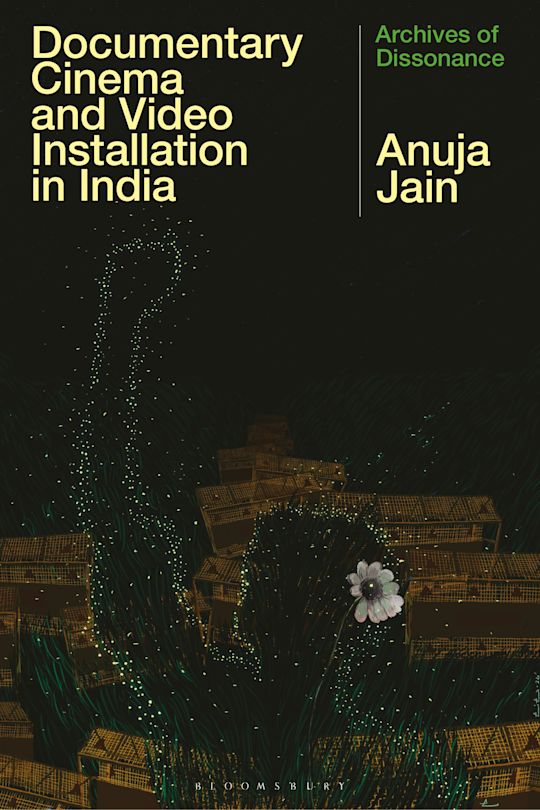
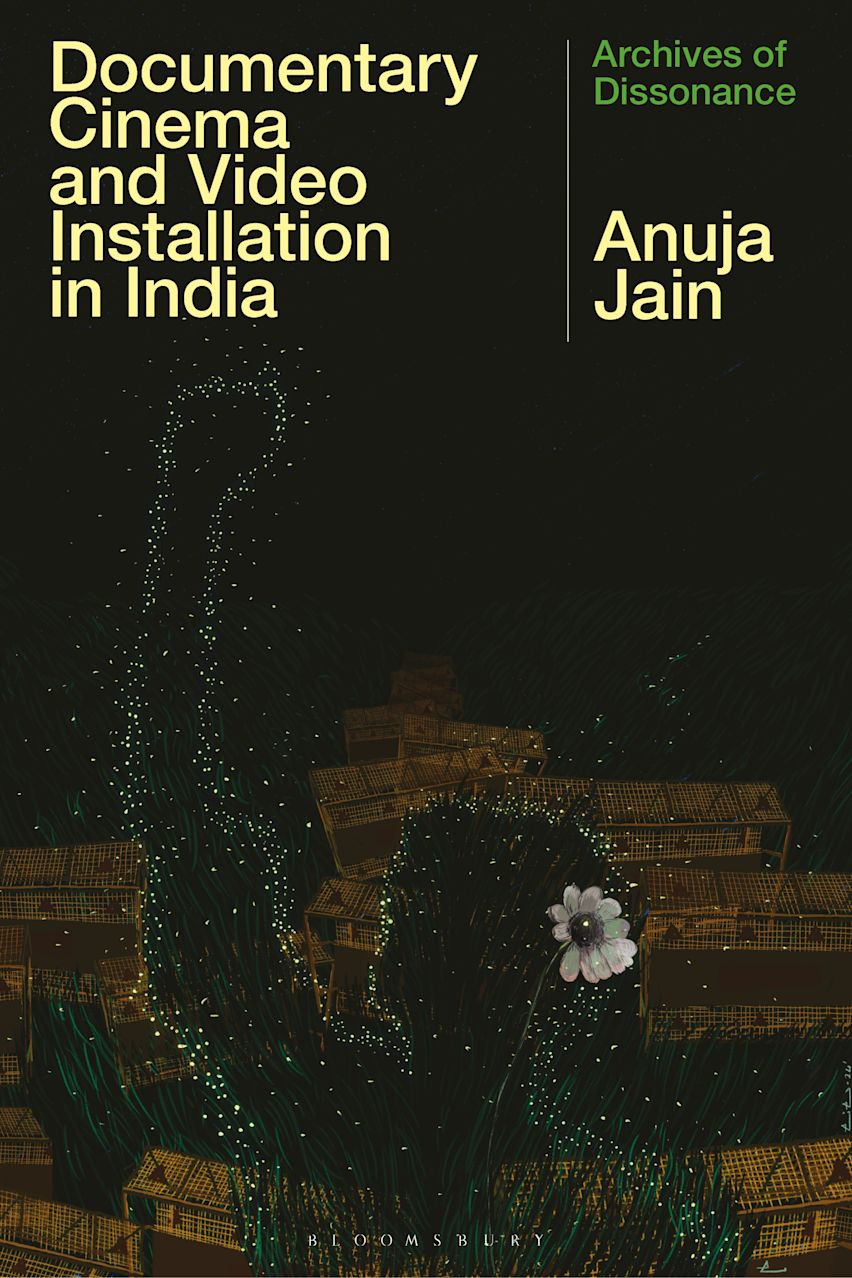
Documentary Cinema and Video Installation in India explores the forms of artistic resistance that emerged against the backdrop of India's rapid transformation from a young postcolonial democracy into a rapidly globalizing and radicalizing right-wing nation-state.
Set against the politically turbulent period of the early 1990s to the mid-2000s, Anuja Jain considers how filmmakers and video artists used their work as a site of political intervention. She analyses a broad range of documentaries and video works, including Ram Ke Naam (In the Name of God, 1992), The Boy in the Branch (1993), I Live in Behrampada (1993), The Men in the Tree (2002), Final Solution (2004), Unity in Diversity (2003), I Love My India (2003) and The Lightning Testimonies (2007). She also examines previously unexplored materials, including state news transcripts, right-wing propaganda videos, litigation records, censored media broadcasts, rare video news magazines, exhibition histories, and in-depth original interviews with documentary filmmakers and visual artists. In doing so, Jain reconceptualizes these texts as what she terms 'archives of dissonance', suggesting that, by navigating the critical conjuncture of radicalized politics, rapid globalization, and emergent techno-capitalism, they challenge official narratives and, in the process, reconfigure the locus, logic, and materiality of the archive itself.
In a present moment marked by a global rise in authoritarianism, brutal censorship, and fascist constructions of citizenship, Jain highlights the value of revisiting these 'living archives', arguing that they enunciate imaginaries of resistance rooted in the Global South.
Accessibility Information
Additional accessibility information
- EPUB 3.0
- Conforms with the requirements of EPUB Accessibility Spec v1.1
- WCAG level AA
- WCAG v2.2 compliant
- accessibility@bloomsbury.com
Hazards
The publication contains no hazards
Support for non-visual reading
- No accessibility features offered by the reading system, device or reading software are disabled or otherwise unusable with the product
- Has alternative text descriptions for images
Visual adjustments
Appearance of the text and page layout can be modified according to the capabilities of the reading system (font family and size, spaces, as well as color of background and text)
Navigation
- Page list to go to pages from the print source version
- Elements such as headings, tables, etc for structured navigation
- All or substantially all textual matter is arranged in a single logical reading order
- Content is enhanced with ARIA roles to optimize organization and facilitate navigation
- Purposes of all links are made clear
Rich content
Language tagging provided
Table of Contents
1. Khaki Shorts, Saffron Flags: Documenting Propaganda
2. Chronicle of a Tragedy Foretold: Anand Patwardhan and Political Documentary
3. Representing the “Unrepresentable”: Documentary Tellings
4. A Retake on Representational Modes: Amar Kanwar and Video Installation in India
5. Feminist Forms and Lexicons of Urgency: Women Artists at Work
Conclusion: Living Archives
Bibliography
Index
Product details

| Published | Jan 07 2027 |
|---|---|
| Format | Ebook (Epub & Mobi) |
| Edition | 1st |
| Pages | 272 |
| ISBN | 9781350602847 |
| Imprint | Bloomsbury Academic |
| Illustrations | 30 colour illus |
| Series | South Asian Screen Studies |
| Publisher | Bloomsbury Publishing |
Reviews
Related Titles