English Literature and the Aesthetics of Community
The Sensus Communis from Beowulf to Beckett
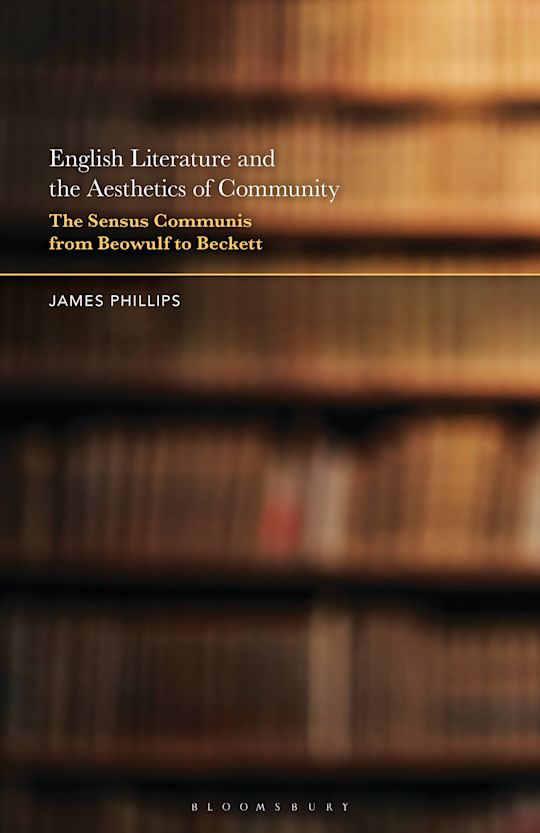

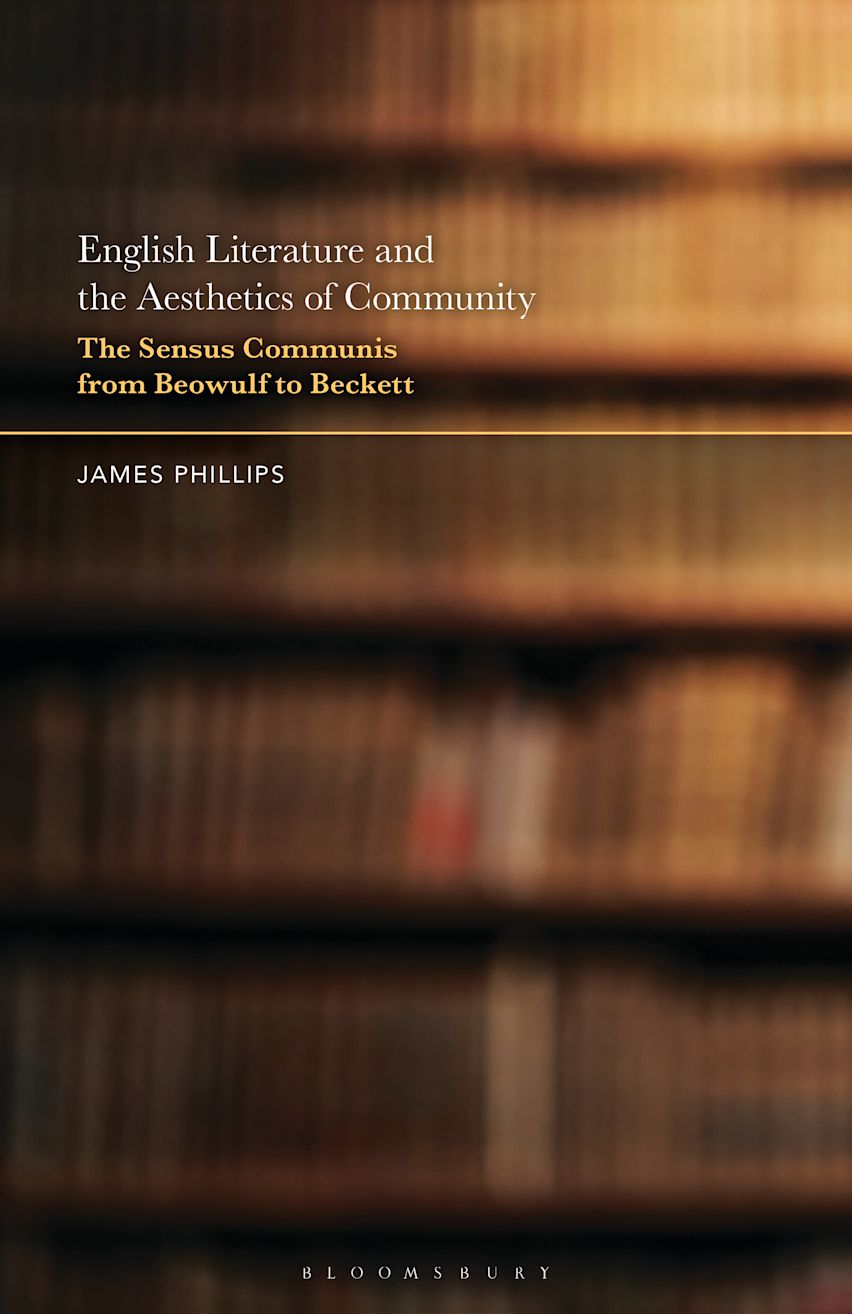
English Literature and the Aesthetics of Community
The Sensus Communis from Beowulf to Beckett
Buying pre-order items
Ebooks and Audiobook
You will receive an email with a download link for the ebook or audiobook on the publication date.
Payment
You will not be charged for pre-ordered books until they are available to be shipped. Pre-ordered ebooks will not be charged for until they are available for download.
Amending or cancelling your order
For orders that have not been shipped you can usually make changes to pre-orders up to 72 hours before the publishing date.
Payment for this pre-order will be taken when the item becomes available
Description
Traverses a thousand years of literature in English from Beowulf to Beckett to make the case for restoring aesthetic pleasure to literary studies.
In 18th-century debates, the sensus communis referred to a common sensibility that preceded, underwrote and challenged political bodies. In Kant's aesthetics, it is the pleasure grounding an individual's autonomous judgement that properly speaks for the sensus communis. This concurrence of community and individuality is essential, as James Phillips contends, to the democratic project that literature and literary studies can help advance.
English Literature and the Aesthetics of Community demonstrates how the writing and reading of literature deepens and complicates our understanding of other people. The more we come to recognize our incommensurability and take pleasure in it, the more robust will be our sense not only of democratic equality, but also of the untenability of social hierarchies and unifying mythologies. By examining the transpersonal dimensions of moods and affects such as horror, joy and boredom, Phillips argues for English literature's role in keeping open an experience of community, intersubjectivity and dialogue that neither liberalism nor nationalism knows how to account for.
Through a series of case studies on authors including Shakespeare, Wordsworth and Charlotte and Emily Brontë, this book aims to find in the canon, instead of some binding cultural covenant, an opportunity to see our differences in action, for to read the same book is to confront how we read in different ways.
Accessibility Information
Additional accessibility information
- PDF/UA-2, 1.4
- accessibility@bloomsbury.com
Hazards
The publication contains no hazards
Support for non-visual reading
Has alternative text descriptions for images
Navigation
- Page list to go to pages from the print source version
- Elements such as headings, tables, etc for structured navigation
- All or substantially all textual matter is arranged in a single logical reading order
Table of Contents
Introduction: Kant, the Canon and Sociable Pleasure
1. Beowulf and the Children of Cain
2. The King's Justice in Richard II
3. The Testimony of Samuel Pepys
4. She Stoops to Conquer and Masculinities in Trouble
5. Wordsworth and the Fraternity of Joy
6. The Strained Metaphors of Byron's 'Darkness'
7. Jane Eyre and Marriage Reform
8. The Two Faces of Love in Wuthering Heights
9. Ruskin, Climate Crisis and the Loneliness of Facts
10. E. F. Benson's Mapp and Lucia Novels and the Rules of the Game
11. Beckett's Boredom
Conclusion: Heidegger's Idle Talk and the Novel
Notes
Index
Product details

| Published | Apr 15 2027 |
|---|---|
| Format | Ebook (PDF) |
| Edition | 1st |
| Pages | 120549 |
| ISBN | 9798216486763 |
| Imprint | Bloomsbury Academic |
| Publisher | Bloomsbury Publishing |
Related Titles