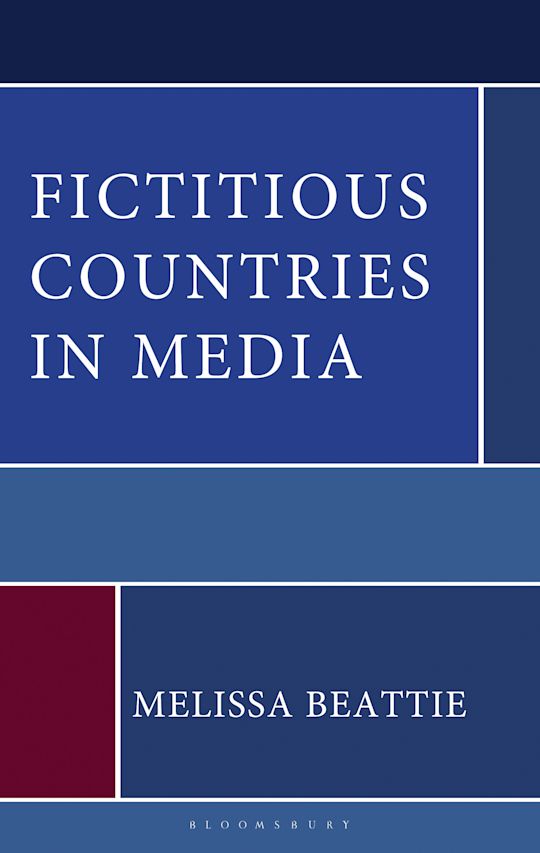

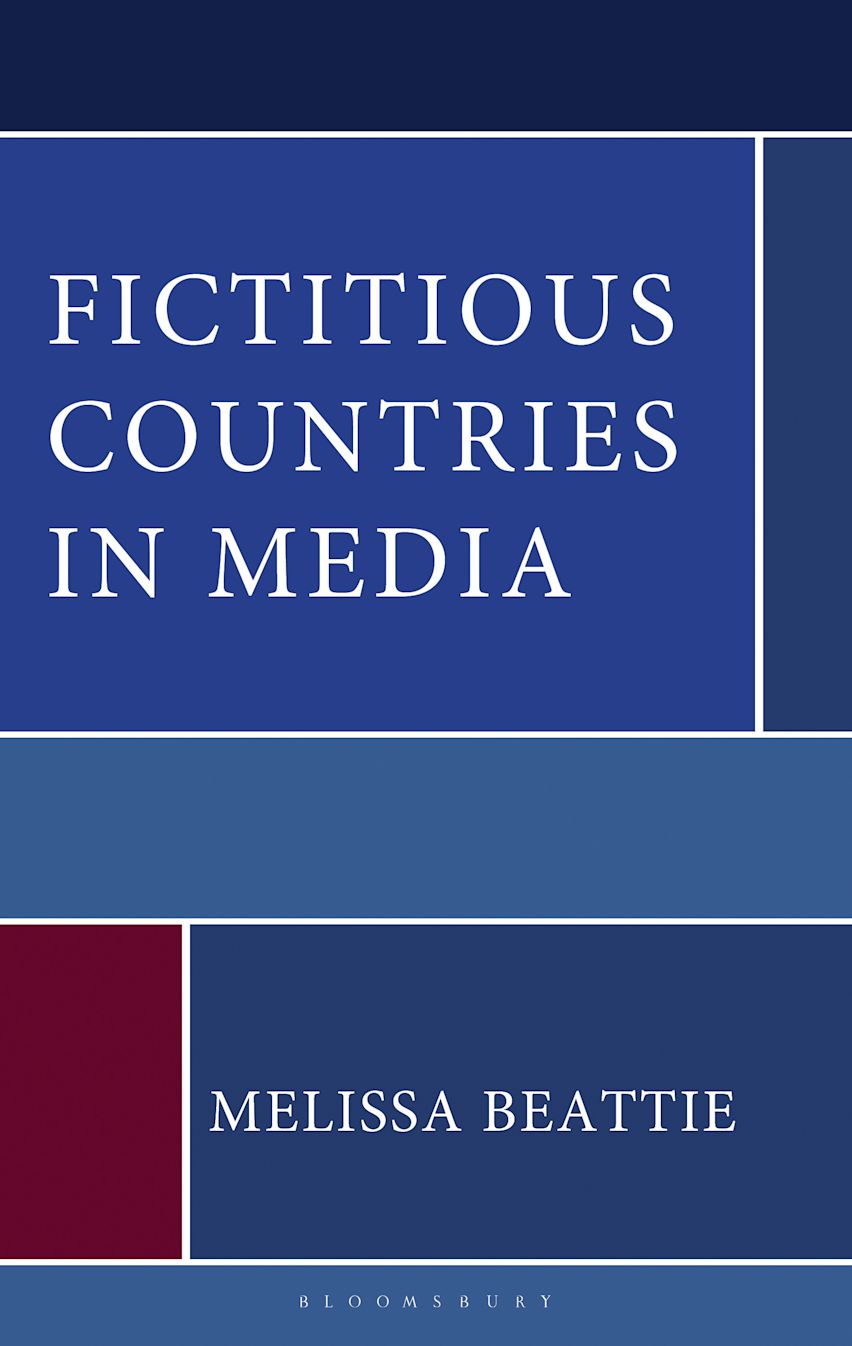
Fictitious Countries in Media
Buying pre-order items
Ebooks and Audiobook
You will receive an email with a download link for the ebook or audiobook on the publication date.
Payment
You will not be charged for pre-ordered books until they are available to be shipped. Pre-ordered ebooks will not be charged for until they are available for download.
Amending or cancelling your order
For orders that have not been shipped you can usually make changes to pre-orders up to 72 hours before the publishing date.
Payment for this pre-order will be taken when the item becomes available
- Delivery and returns info
-
Free US delivery on orders $35 or over
Description
Melissa Beattie explores the promises and pitfalls of fabricated nations as a setting and subject of fictional narratives, interrogating the methods and motivations of their creation and, more importantly, who they purport to represent.
Drawing upon aesthetics, industrial analyses, and postcolonial theory, Beattie argues that in (re)combining elements of real nations into constructed ones, we introduce the opportunity for existing perceived-stereotypes to be either subverted or reinforced. As the resulting narratives tend to repackage real discourses about the regions being synthesized, she contends, these media texts often prioritize characters from “real” countries and dominant groups, ultimately replicating existing geopolitical and sociocultural power imbalances.
As Beattie examines portrayals of “nations” that are fictitiously located across the globe as case studies – including “African” nations like “Equatorial Kundu” from The West Wing, “Latin American” countries like “Parador” from Moon Over Parador (1988), “Eastern European” nations like “Sokovia” in the Marvel Cinematic Universe, and “post-Soviet” states like “Karastan” in Lost in Karastan (2014) – she highlights how the cultural specificity of each region being “represented” is utilized in Othering that same region.
Ultimately, this book emphasizes the importance of critique and reflection from media theorists, practitioners, students and audiences alike to work toward more ethical representation of the societies and (sub)cultures in which these texts are produced and consumed.
Table of Contents
Introduction
1. Fictitious African Countries
2. Fictitious Latin American and Caribbean Countries and Overseas Territories
3. Fictitious Eastern European Countries
4. Fictitious Post-Soviet Countries
Conclusion
Bibliography
Index
About the Author
Product details

| Published | Nov 12 2026 |
|---|---|
| Format | Hardback |
| Edition | 1st |
| Pages | 192 |
| ISBN | 9781666970463 |
| Imprint | Bloomsbury Academic |
| Illustrations | 7 bw illus |
| Dimensions | 9 x 6 inches |
| Publisher | Bloomsbury Publishing |
Reviews
Related Titles