
Buying pre-order items
Ebooks and Audiobook
You will receive an email with a download link for the ebook or audiobook on the publication date.
Payment
You will not be charged for pre-ordered books until they are available to be shipped. Pre-ordered ebooks will not be charged for until they are available for download.
Amending or cancelling your order
For orders that have not been shipped you can usually make changes to pre-orders up to 72 hours before the publishing date.
Payment for this pre-order will be taken when the item becomes available
- Delivery and returns info
-
Free US delivery on orders $35 or over
Description
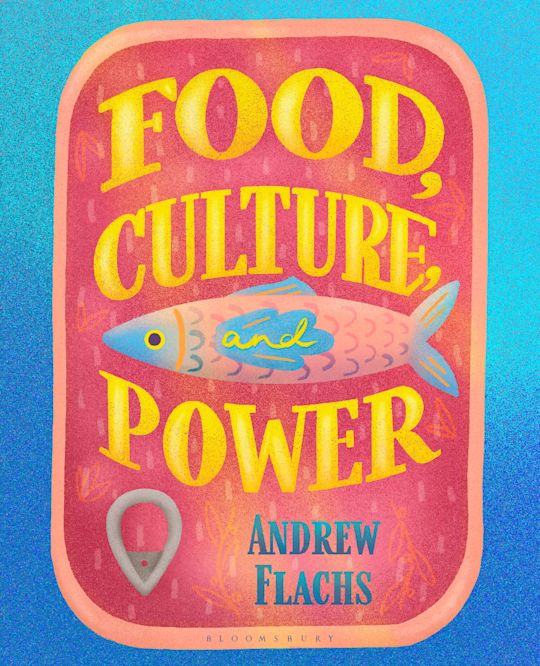
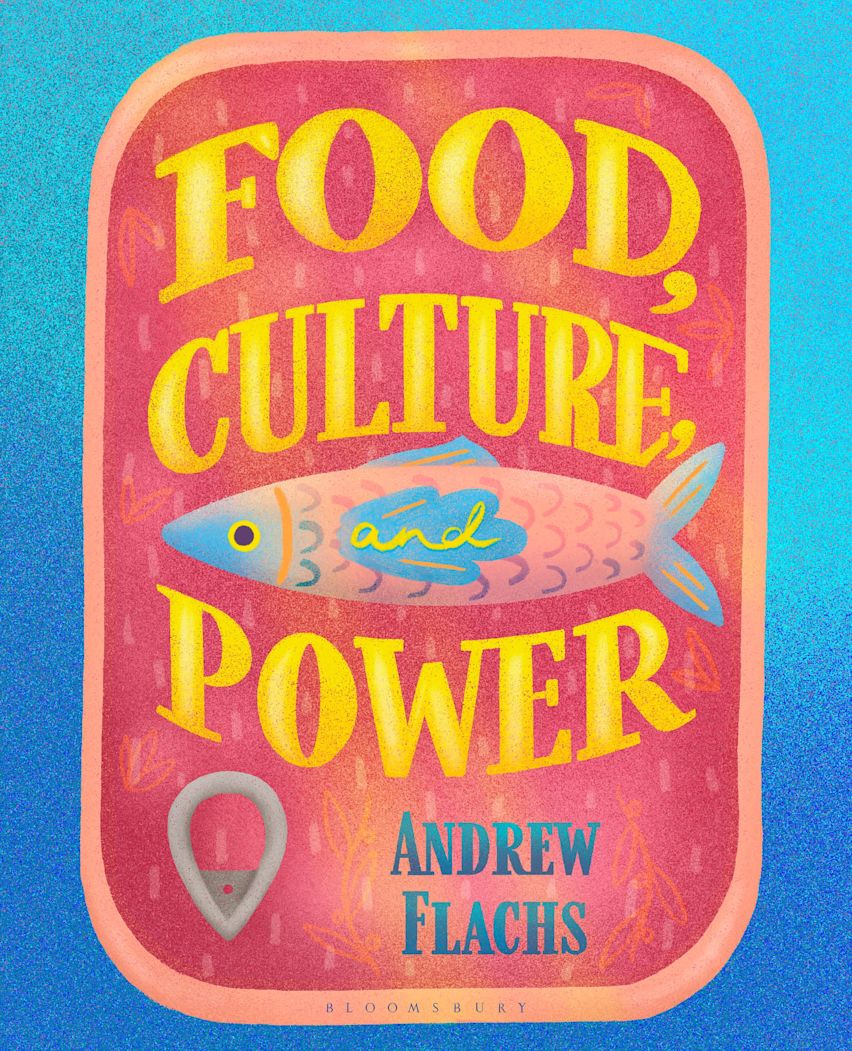
Food and farming offer us a way to understand how our world came to be and where it's going next. The foods we produce, the paths they take to our plates, and the context in which we eat them reveal our systems of cultural meaning, ecological entanglement, and systemic power.
Food, Culture, and Power investigates the contemporary global food system in the context of 300,000 years of human experiences. Every morsel contains multitudes: ecological conditions, economic exchange, gendered and racialized work, historical relations influenced by colonialism and capitalism, and the culturally variable search for a good meal. In bridging cultural, political, economic, and ecological perspectives on food systems, this book illuminates the systems of power – and profound inequality – that animate our meals.
Divided into three parts, this text begins with domestication and the origins of agriculture. The second unit introduces food and farming in the global economy, tracing the impacts of colonialism and plantations, capitalism through commodity chains, and the shift toward industrialized food. Given this context, the book concludes by imagining the future of food and farming, asking for whom that future is built, and exploring the many alternatives that already exist across our food and agriculture systems.
This holistic book is the perfect text for grappling with the world we've inherited and thinking about the foods and farms to come.
Table of Contents
Chapter 1: How Food Explains the World
Bacon by Many Names
What is Food Studies?
What is Agrarian Studies?
If that's Food and Culture, then What's Power?
Conclusion
Key Chapter Takeaways
Looking at Power on Fruit Farms with Anthropologist Seth Holmes
Unit 1: Food as a Way of Living in Place
Chapter 2: Evolution in Diets and Landscapes
Dietary Generalists and Specialists in the Homo Lineage
Eating Local as Homo
Pleistocene Food Culture
Shaping an Edible World
Conclusion
Key Chapter Takeaways
Looking for Clues to our Dental Past with Paleoanthropologist Peter Ungar
Chapter 2 Challenge: Forage
Chapter 3: The Many Origins of Agriculture
What is Domestication?
Creating Farm Landscapes: Agriculture and Niche Construction
Why Farm?
Agriculture and Social Organization
Conclusion
Key Chapter Takeaways
Exploring Domestication with Paleobotanist Natalie Mueller
Chapter 3 Challenge: Domesticate
Chapter 4: Eating Well Across Time and Space
What Causes Malnutrition?
Nutrition and State Power
Eating Well in Traditional Nutritional Systems
What Makes a Diet “Traditional”?
Food, Race, and Power in the American Colonies
Loving and Hating Food Across Social Boundaries
Fat and Body Image Across Contexts
Eating a Neoliberal Diet
Conclusion
Key Chapter Takeaways
Searching for a Good Meal with Anthropologist Hanna Garth
Chapter 4 Challenge: Cook
Unit 2: Food and Farming in the Global Political Economy
Chapter 5: Plantations, Colonialism, and a New World System
The Global Economy Shifts from Tributes to Colonies
Plantations: The First Factories
Plantations and Cheap Production
Plantations at War
How Plantations Reorganize Life: Colonial Sugar
Contemporary Plantations
Life Otherwise on Plantations
Conclusion
Key Chapter Takeaways
Understanding How Plantations Make Us Hungry with Anthropologist Sophie Chao
Chapter 5 Challenge: Shop
Chapter 6: Peasants and Other Farmers
What is a Peasant?
Skill and Work in the Landscape
Does Farming Decrease Biodiversity?
Gender and Power within the Household
The Peasants are Revolting!
Conclusion
Key Chapter Takeaways
Understanding Skill and Context with Anthropologist Glenn Davis Stone
Chapter 6 Challenge: Decide
Chapter 7: Industrial Agriculture and the Legacy of the 20th Century
Commodifying Food
Making Farms into Factories
Tracing Plantations to Industrial Agriculture
What Does It Mean to Call Food “Industrial”?
Industrializing Agriculture through the Fundamental Input: Seeds
Eating Industrial Food
Conclusion
Key Chapter Takeaways
Understanding Industrial Food Production with Anthropologist Alex Blanchette
Chapter 7 Challenge: Call
Unit 3: How We Feed the World
Chapter 8: Biotechnology and Other Food Futurism
Isn't All Food Genetically Modified? Yes and No.
How Does Biotechnology Work in the Field?
Imagining the Future of Food
Seed Banks and Community Breeding
Conclusion
Key Chapter Takeaways
Imagining a More Just World with Political Ecologist Maywa Montengro de Wit
Chapter 8 Challenge: Read
Chapter 9: Taking Charge of the Food System
Getting Enough Food
Alternative Eating by Many Names
Reclaiming Our Own Food
Conclusion
Key Chapter Takeaways
Tracing the Roots of Solidarity and Justice with Rural Sociologist Monica White
Chapter 9 Challenge: Pickle
Chapter 10. Food and Justice for All
Elinor Ostrom and the Commons
Amazonian Dark Earths, Collective Action, and Abundance
Traditional Ecological Knowledge
Food Justice as Social Justice
Solidarity in the Kitchen and the Farm
Seven Key Lessons about Food, Culture, and Power
Conclusion
Key Chapter Takeaways
Foraging for Social Justice with Ethnobiologist Linda Black Elk
Chapter 10 Challenge: Volunteer
Product details

| Published | Feb 04 2027 |
|---|---|
| Format | Paperback |
| Edition | 1st |
| Pages | 272 |
| ISBN | 9798216277781 |
| Imprint | Bloomsbury Academic |
| Dimensions | 9 x 7 inches |
| Publisher | Bloomsbury Publishing |

Related Titles