
Buying pre-order items
Ebooks and Audiobook
You will receive an email with a download link for the ebook or audiobook on the publication date.
Payment
You will not be charged for pre-ordered books until they are available to be shipped. Pre-ordered ebooks will not be charged for until they are available for download.
Amending or cancelling your order
For orders that have not been shipped you can usually make changes to pre-orders up to 72 hours before the publishing date.
Payment for this pre-order will be taken when the item becomes available
Description
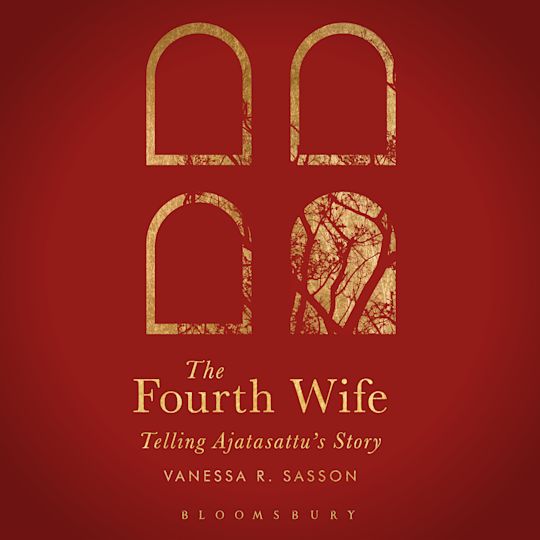
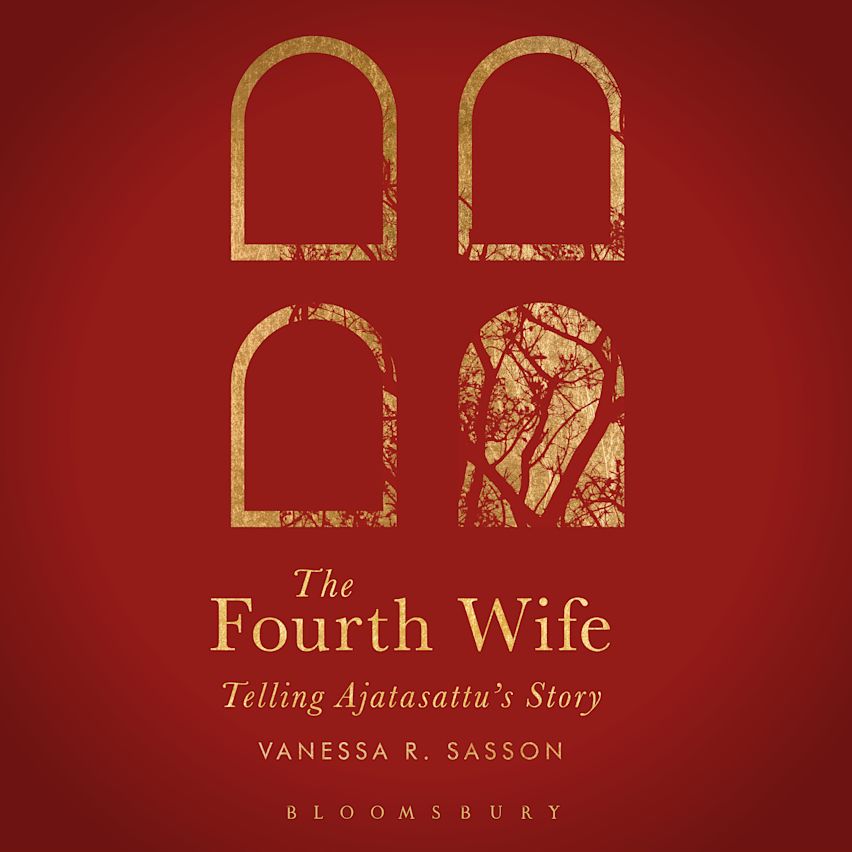
Vanessa Sasson brings early Buddhist history to life in this captivating retelling of Ajatasattu, the Magadhan king infamous for having imprisoned his father to take the throne and who later confesses to the Buddha, hoping for some reprieve from his now ongoing nightmares and regret.
Drawing on her deep knowledge of Buddhist sources, Sasson presents Ajatasattu's story as a great human tragedy that reflects the fundamental teachings of the Buddhist Dharma. She tells Ajatasattu's story through the eyes of a fictional fourth wife, a vantage point that also enables the reader to imagine what women's lives may have been like during the time of the historical Buddha. Sasson confronts the reader with painfully contemporary questions of how to live with tyranny, how to reckon with intergenerational trauma, and how to face the inevitability of karma. Her prose renders the ancient world with vivid emotional depth.
The book opens with a short introduction focused on the role of storytelling in Buddhist history. It then follows with the narrative retelling of Ajatasattu's story, and ends with extensive endnotes that provide readers with a window into how Sasson drew on the classical sources, how the sources relate to each other, and give readers the tools required to reconstruct a story that belongs to ancient India.
Table of Contents
The Fourth Wife
Afterword
Endnotes
Bibliography
Product details

| Published | Feb 18 2027 |
|---|---|
| Format | Audiobook |
| Duration | 9 hours and 0 minutes |
| ISBN | 9781350703193 |
| Imprint | Bloomsbury Academic |
| Publisher | Bloomsbury Publishing |
Reviews
Related Titles