The Great Satan vs. the Mad Mullahs
How the United States and Iran Demonize Each Other
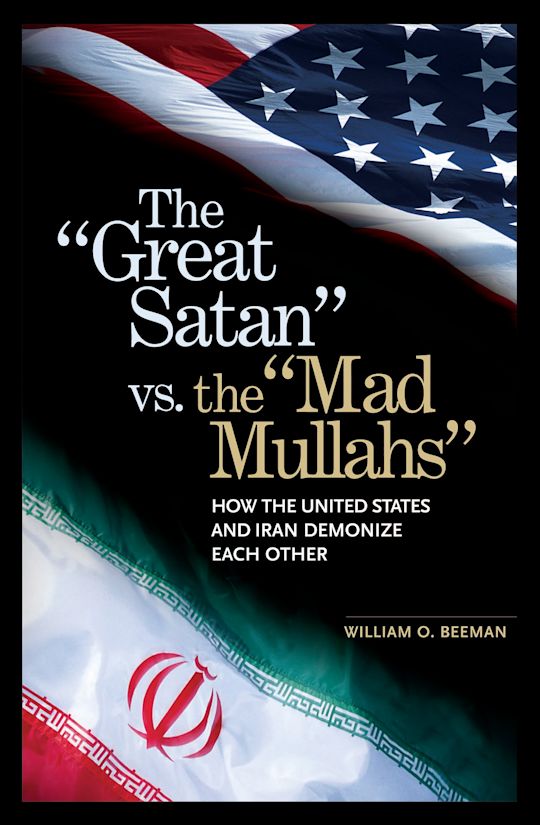

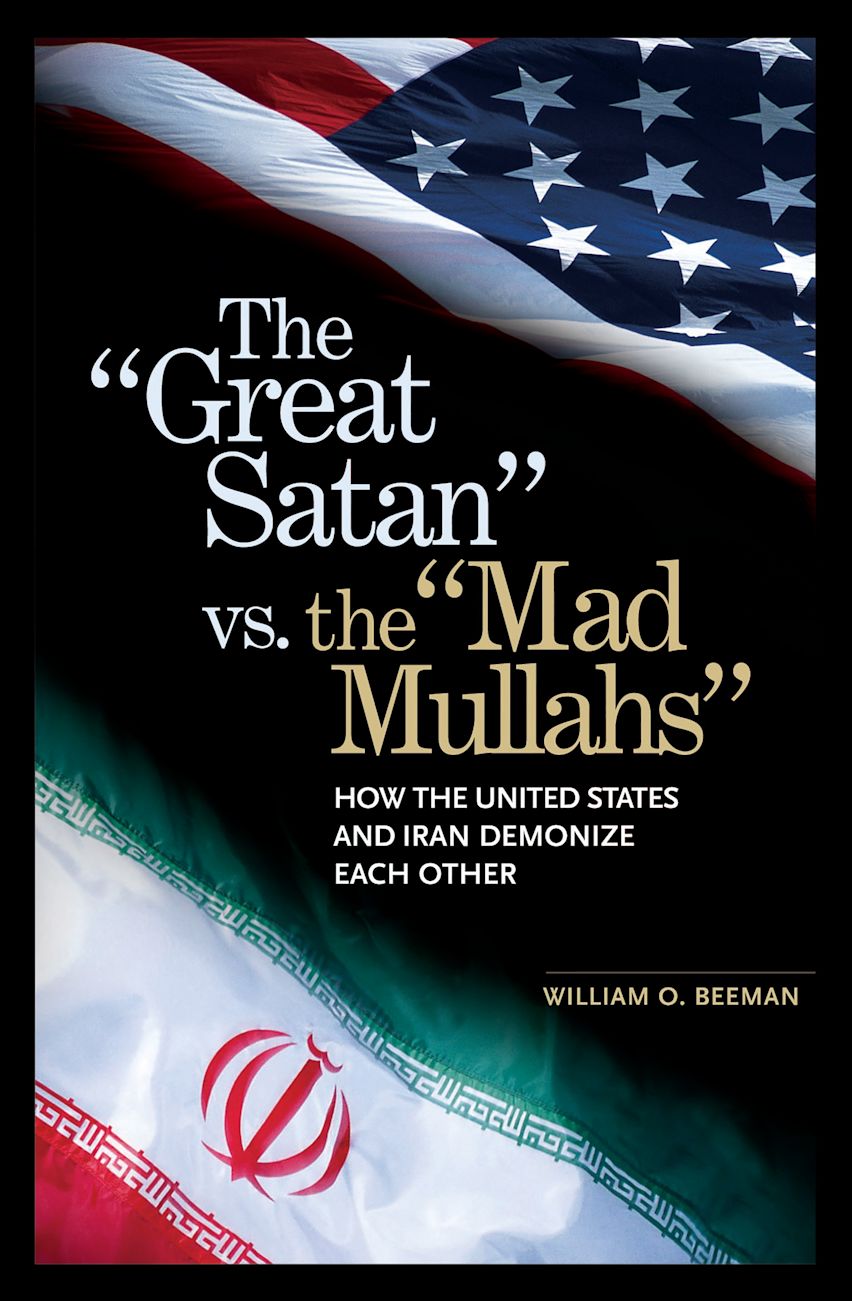
The Great Satan vs. the Mad Mullahs
How the United States and Iran Demonize Each Other
This product is usually dispatched within 1 week
- Delivery and returns info
-
Free US delivery on orders $35 or over
Description
The United States and Iran have been estranged for 25 years. They have carried out a mutual process of demonization that is unprecedented in modern history, based on cultural hot buttons that have the power to galvanize the populations of both countries. Iranian leaders have characterized the United States as the Great Satan—an evil corruptor that pollutes society and destroys personal morality. American leaders characterize the members of the current government of the Islamic Republic of Iran as Mad Mullahs, wild-eyed and irrational. Giving a thorough account of the background of U.S.-Iranian relations, Beeman claims that the current accusations of both Iran and the United States are baseless, consisting largely of public invective and symbolic rhetoric according to their own mythologies of evil.
American leaders characterize the members of the current government of the Islamic Republic of Iran as Mad Mullahs, wild-eyed and irrational. They accuse them of fomenting the hostage crisis, in which American embassy personnel were held for 444 days at the end of the Carter administration, dealing a severe blow to U.S. national honor. The Bush administration has further accused the Iranians of being part of an Axis of Evil on the basis of their alleged support of terrorists, oppression of women and minorities, and development of nuclear weapons. Giving a thorough account of the background of U.S.-Iranian relations, Beeman claims that the current accusations of both Iran and the United States are baseless, consisting largely of public invective and symbolic rhetoric according to their own mythologies of evil.
Table of Contents
American Myths
Middle Eastern Myths
Discourse and Rhetoric
Images of the Great Satan
Images of the Mad Mullah
The Framework of U.S. Iranian Relations
The Sins of the United States
The Sins of Iran
The Birth of Post-modern Conflict: How Iranian Media Came of Age
Living with Iran: Resistance as Post-modern Discourse
Product details
| Published | Sep 30 2005 |
|---|---|
| Format | Hardback |
| Edition | 1st |
| Pages | 316 |
| ISBN | 9780275982140 |
| Imprint | Praeger |
| Dimensions | 9 x 6 inches |
| Publisher | Bloomsbury Publishing |
Reviews

ONLINE RESOURCES
Bloomsbury Collections
This book is available on Bloomsbury Collections where your library has access.
Related Titles