Magical Realism, Latin American Theology, and the Appearance of a Pre-Critical Theory
Mary versus Ideology

Magical Realism, Latin American Theology, and the Appearance of a Pre-Critical Theory
Mary versus Ideology
Description
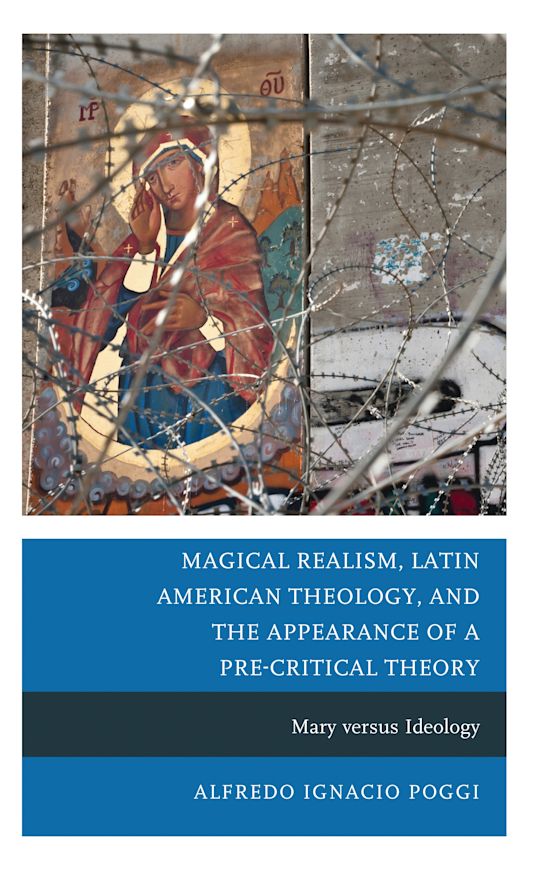
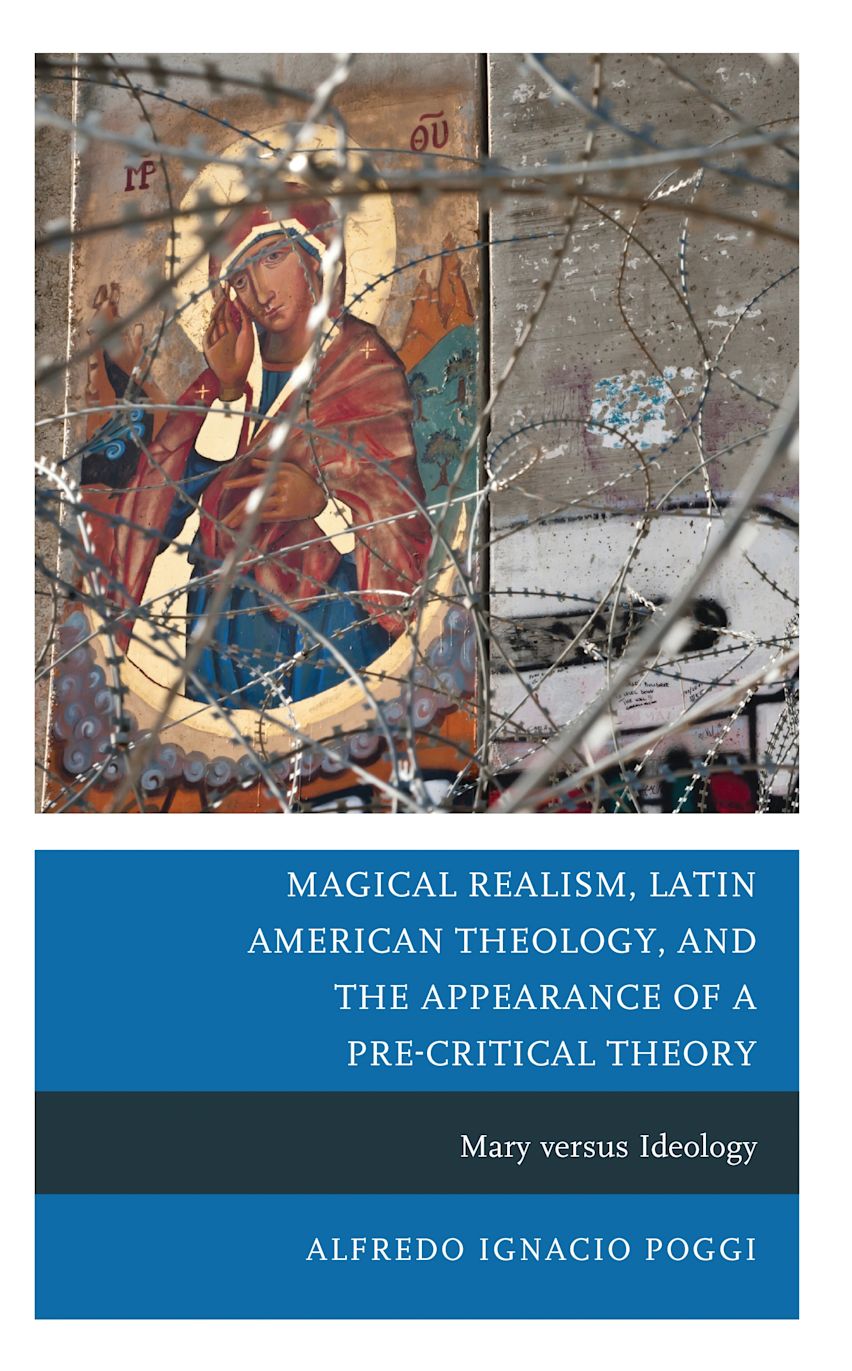
Magical Realism, Latin American Theology, and the Appearance of a Pre-Critical Theory: Mary versus Ideology explores why the greatest boom of Marian apparitions in history, related by poor rural women and children, occurred simultaneously with the rise of urban elites’ secularizing ideologies—and often in the same countries. This unique glimpse goes beyond the simple stories and symbols of the Marian apparitions, revealing a critique of the modern and postmodern social imaginaries that gave life to innumerable ideologies. Utilizing the Latin American hermeneutic lenses of liberation theology and magical realism, this book demonstrates how popular religion, with its mythical-narrative nucleus, is a space of resistance against the totalizing projects of modernity. Modern and postmodern proposals, like those of Marxist or poststructuralist, argue that one must use critical thinking to evade or at least expose ideologies. Alfredo Ignacio Poggi, on the contrary, maintains that a naïve, or more aptly pre-critical, perception of the world is the best starting point for challenging contemporary ideologies.
Accessibility Information
Additional accessibility information
- PDF/UA-2, 1.4
- accessibility@bloomsbury.com
Hazards
The publication contains no hazards
Support for non-visual reading
Has alternative text descriptions for images
Navigation
- Page list to go to pages from the print source version
- Elements such as headings, tables, etc for structured navigation
- All or substantially all textual matter is arranged in a single logical reading order
Table of Contents
Chapter 2: French Revolution
Chapter 3: The Industrial Revolution
Chapter 4: The Russian Revolution
Chapter 5: World War II
Chapter 6: The Cultural Revolutions of the 1960s
Chapter 7: The Fall of the Berlin Wall
Chapter 8: 9/11 Terrorist Attacks
Chapter 9: Covid-19
Product details
| Published | Jan 04 2024 |
|---|---|
| Format | Ebook (PDF) |
| Edition | 1st |
| Pages | 194 |
| ISBN | 9798216338079 |
| Imprint | Lexington Books |
| Publisher | Bloomsbury Publishing |
Reviews

ONLINE RESOURCES
Bloomsbury Collections
This book is available on Bloomsbury Collections where your library has access.
Related Titles