
Buying pre-order items
Ebooks and Audiobook
You will receive an email with a download link for the ebook or audiobook on the publication date.
Payment
You will not be charged for pre-ordered books until they are available to be shipped. Pre-ordered ebooks will not be charged for until they are available for download.
Amending or cancelling your order
For orders that have not been shipped you can usually make changes to pre-orders up to 72 hours before the publishing date.
Payment for this pre-order will be taken when the item becomes available
- Delivery and returns info
-
Free US delivery on orders $35 or over
Description
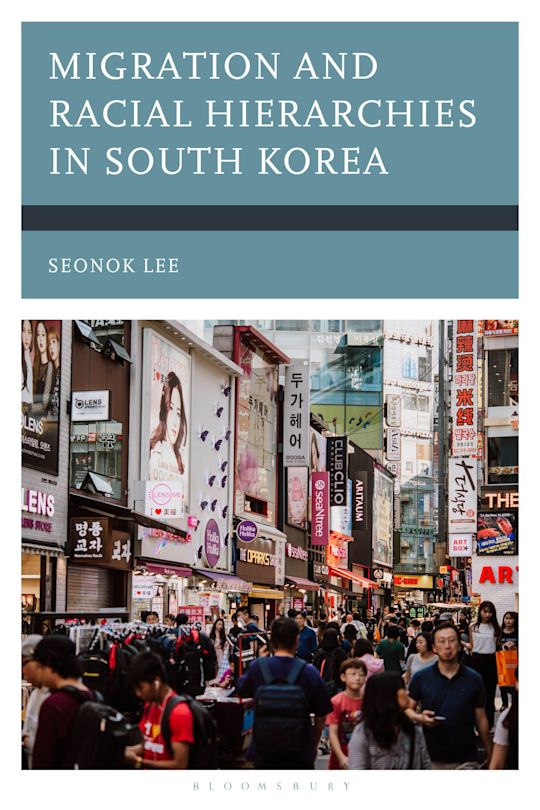
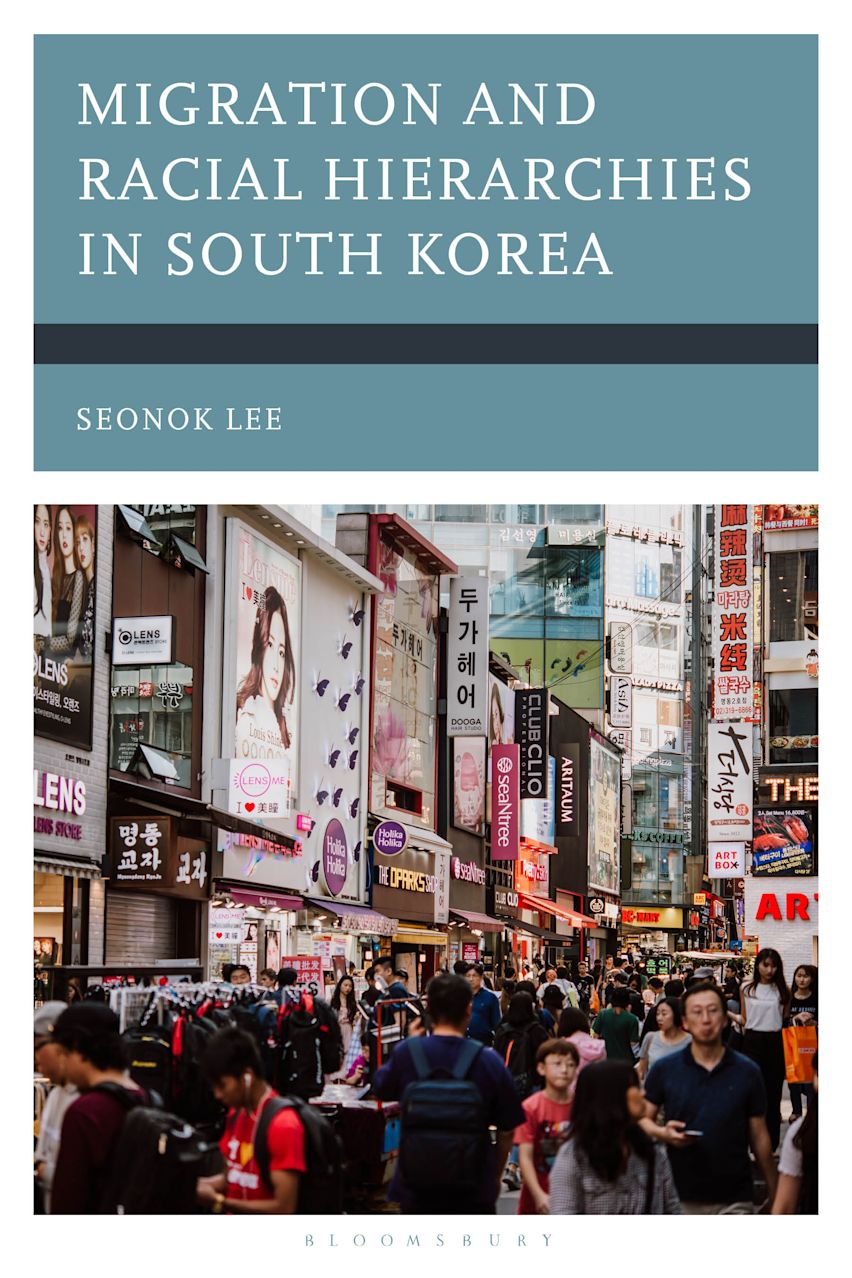
Migration and Racial Hierarchies in South Korea examines how migrants from South and Southeast Asia are racialized in South Korea, a society often imagined as ethnically and racially homogeneous.
Drawing on multi-sited ethnographic fieldwork in factories, neighborhoods, and a multicultural family center, Seonok Lee demonstrates how Koreans understand 'race' and racialization through state policies, labor regimes, gendered family structures, cultural discourse, and everyday interactions.
The book argues that racialization in South Korea cannot be understood simply through a Euro-American model of race. Instead, it is shaped by Korea's changing position in global capitalism, its own postcolonial history, developmental nationalism, and its recent transition from a migrant-sending to a migrant-receiving country. Migrant workers and marriage migrants are incorporated into Korean society as economically and reproductively necessary, yet they are also marked as others who are outside full belonging.
By analyzing labor and marriage migration, this book offers new insights into race in a rapidly globalizing East Asian society.
The ebook editions of this book are available open access under a CC BY-NC-ND 4.0 licence on bloomsburycollections.com. Open access was funded by The 2024 Korean Studies Grant Program of the Academy of Korean Studies (AKS-2024-P-018).
Table of Contents
Acknowledgements
Notes on Names and Romanization
Introduction
Chapter 1. New Migration Flows and the State's Intervention
Chapter 2. Race as a Strategy: From the Defense of 'Western Imperialism' to an Economic Strategy
Chapter 3. Teaching Race, Watching Race: Everyday Pedagogies of Difference
Chapter 4. Manufacturing Race: Migrants at Work
Chapter 5. Racial Others at Home: Marriage Immigrants and Family
Conclusion. Racializing the Migrant, Reimagining the Nation: Lessons from South Korea in a Globalizing Asia
Bibliography
Index
About the Author
Product details

| Published | Jan 07 2027 |
|---|---|
| Format | Hardback |
| Edition | 1st |
| Pages | 160 |
| ISBN | 9781666956986 |
| Imprint | Bloomsbury Academic |
| Illustrations | 4 Tables |
| Dimensions | 9 x 6 inches |
| Series | Korean Communities across the World |
| Publisher | Bloomsbury Publishing |
Reviews
Related Titles