Neoliberalism, Affect and Twenty-First-Century Culture
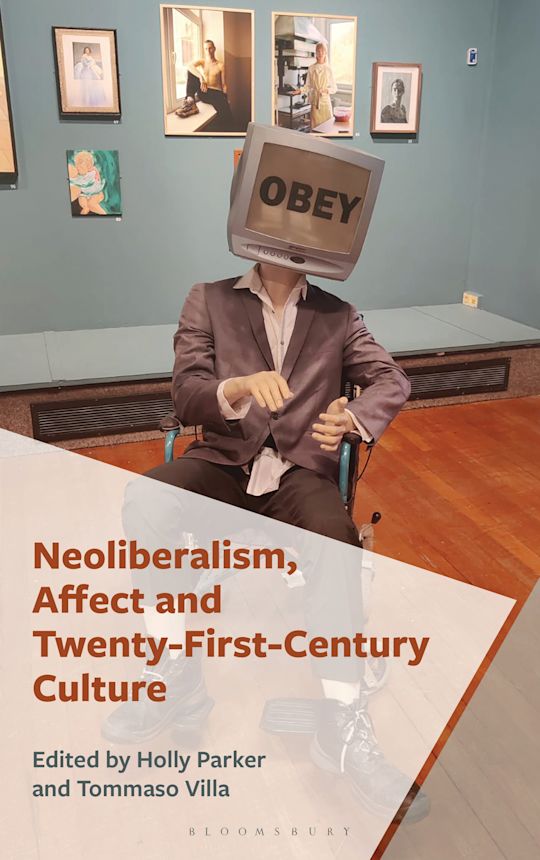

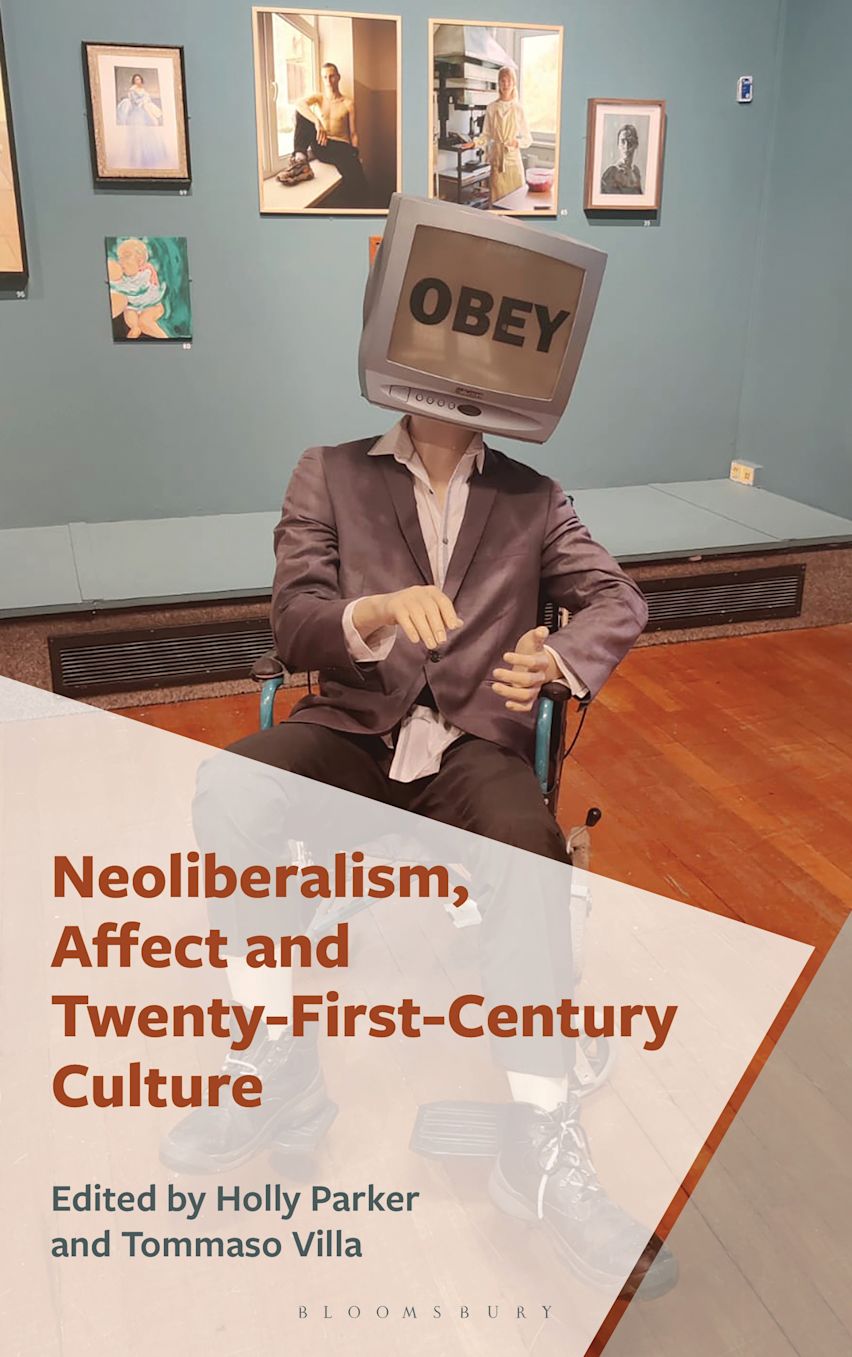
Neoliberalism, Affect and Twenty-First-Century Culture
Description
An interdisciplinary roster of contributors across the humanities and social sciences draws connections between contemporary culture, neoliberalism and affect to examine representations of emotional self-management in personal, professional, and social contexts in the 21st century.
One of the most salient aspects of neoliberalism is the way its pervasiveness extends to the personal sphere, subjecting the personal to market logics as even private emotions become commodities to be administered and owned. Analyzing a range of cultural texts – including shows like Severance, novels like The Corrections, and even art exhibits like Contemporary Models of Realism from the Museum of Contemporary Art in Krakow – contributors demonstrate how the omnipresence of neoliberalism across ideological perspectives and cultural contexts trains individuals to view themselves as individualist, competitive entrepreneurs in all facets of life on a global scale.
Although this collection reveals art's capacity to reproduce and circulate neoliberal logics amid unsuspecting audiences, it also – perhaps more importantly – highlights the ways in which aesthetic forms can conjure resistance.
Accessibility Information
Additional accessibility information
- EPUB 3.0
- Conforms with the requirements of EPUB Accessibility Spec v1.1
- WCAG level AA
- WCAG v2.2 compliant
- accessibility@bloomsbury.com
Hazards
The publication contains no hazards
Support for non-visual reading
- No accessibility features offered by the reading system, device or reading software are disabled or otherwise unusable with the product
- Has alternative text descriptions for images
Visual adjustments
Appearance of the text and page layout can be modified according to the capabilities of the reading system (font family and size, spaces, as well as color of background and text)
Navigation
- Page list to go to pages from the print source version
- Elements such as headings, tables, etc for structured navigation
- All or substantially all textual matter is arranged in a single logical reading order
- Content is enhanced with ARIA roles to optimize organization and facilitate navigation
- Purposes of all links are made clear
Rich content
Language tagging provided
Table of Contents
Acknowledgements
Introduction: “It's the Economy, Stupid!”
Holly Parker (University of Lincoln, USA) and Tommaso Villa (Independent Scholar, USA)
Part I: Genre
1. From Satire to Utopia: Political Writing after Neoliberalism
Peter Conroy (Tsinghua University, China)
2. The Neoliberal Child: Performance, Productivity and Play in Contemporary Children's Literature
Tess Ezzy (University of New England, Australia)
3. Affective Impingements in Nina Cristante's The Richest Man in Babylon (2024) and Ilona Sagar's Correspondence O (2018)
Maria Walsh (University of the Arts, London, UK)
Part II: Emotional Management
4. The Hyper-Professional Sports Hero in the Work of David Foster Wallace
Tommaso Villa (Independent Scholar, USA)
5. Navigating Emotional Self-Management in Sally Rooney's Normal People (2018)
Holly Parker (University of Lincoln, USA)
6. Severance (2022-): Neoliberal Affect, the Split Subject and Marcuse's One-Dimensional Society
Jo Coghlan (University of New England, Australia)
Part III: Counter Cultures
7. Freedom and Its Discontents: Outlaw Entrepreneurship and Affective Strain in Sons of Anarchy (2008-14) and Breaking Bad (2008-13)
Elena Apostolaki (University of Cologne, Germany)
8. Neoliberal Ideologies in the Neon Lights: Identity Capitalisation and Community Commodification in the Yakuza Series (2005-16)
Julien Paret (Alliance University in Bangalore, India)
Part IV: Online
9. Self(ie)-care: Cruel Optimism in Recent Literary Depictions of the Internet Influencer
Helen Penet (Université de Lille, France)
10. On Living Online: Affective Self-Help and Lifestyle Communities on YouTube
Suhana Simran (Jamia Millia Islamia, India)
About the Contributors
Index
Product details

| Published | Aug 06 2026 |
|---|---|
| Format | Ebook (Epub & Mobi) |
| Edition | 1st |
| Pages | 248 |
| ISBN | 9798216372554 |
| Imprint | Bloomsbury Academic |
| Illustrations | 3 bw illus |
| Publisher | Bloomsbury Publishing |


Reviews

ONLINE RESOURCES
Bloomsbury Collections
This book is available on Bloomsbury Collections where your library has access.
Related Titles