Normative Lifecycle Milestones Examined Through Horror Fiction
Our Daily Dread
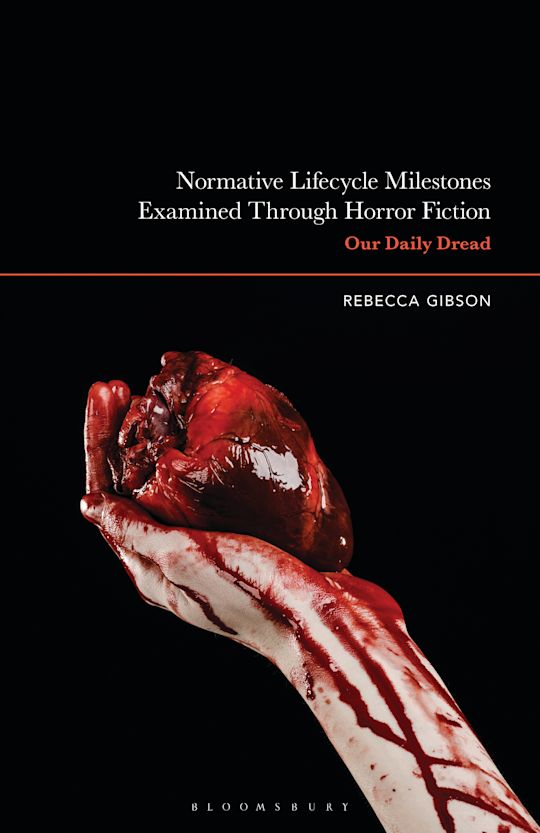

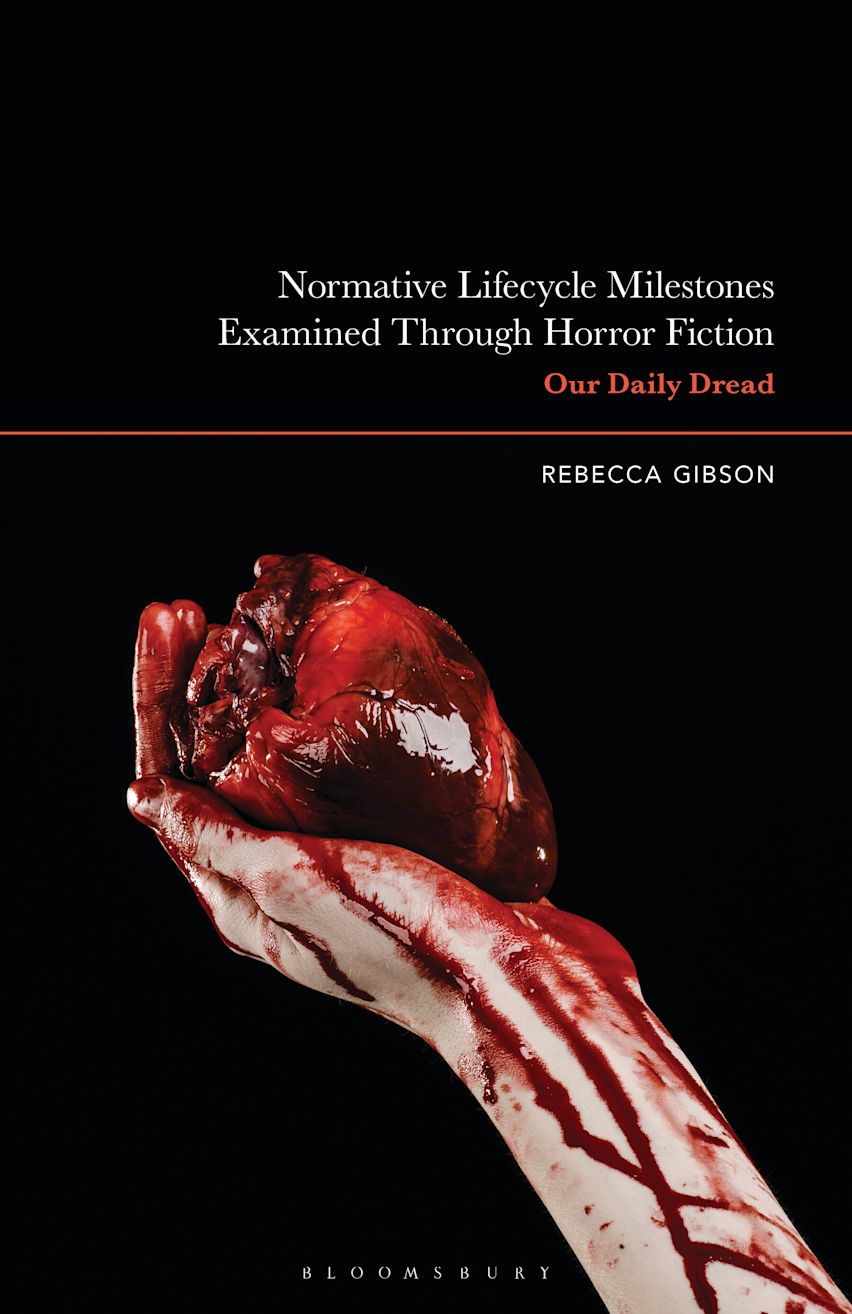
Normative Lifecycle Milestones Examined Through Horror Fiction
Our Daily Dread
Buying pre-order items
Ebooks and Audiobook
You will receive an email with a download link for the ebook or audiobook on the publication date.
Payment
You will not be charged for pre-ordered books until they are available to be shipped. Pre-ordered ebooks will not be charged for until they are available for download.
Amending or cancelling your order
For orders that have not been shipped you can usually make changes to pre-orders up to 72 hours before the publishing date.
Payment for this pre-order will be taken when the item becomes available
- Delivery and returns info
-
Free US delivery on orders $35 or over
Description
Analyzing the horror genre across literature, film, and television, Rebecca Gibson unveils the hidden horrific undercurrents of the mundane.
Gibson argues that while many people are excited to cohabitate, marry, have children, or grow older together, others do so because that is what they are expected to do-and often they do so not with excitement, but with a sense of dread. Normative Lifecycle Milestones Examined Through Horror Fiction examines the progression of a human life, and the expectations of the milestones we are meant to meet, through the lens of horror fiction. Across nine chapters, this book examines fundamental phases of life (birth and childhood, adolescence/independence, courtship, cohabitation, marriage, parenthood, old age, and death), and the often dreadful aspects and outcomes of what is purported to be periods of joy and ambition. Incorporating various theories from the fields of anthropology, philosophy, sociology, and gender studies, this book not only serves as an analysis of contemporary horror, but as a guide to examining human behavior and emotions about our daily lives.
Table of Contents
About the Author
1. Give Us This Day…
2. The Horror of Birth and Childhood: Good Girls and Boys and The Handmaid's Tale
3. The Horror of Parenthood and Childhood: Sacrifice and Loss of Self, and mother
4. The Horror of Courtship: Is That Really Their Best Behavior in The Menu
5. The Horror of Cohabitation: Living Your Life in the House of Leaves
6. The Horror of Marriage: Complete Entanglement, 'til Death Do Us Part, in Men
7. The Horror of Aging: The Perils of Growing Old
8. The Horror of Death: Dying, and The 7 ½ Deaths of Evelyn Hardcastle
9. …Our Daily Dread
Product details

| Published | Jan 07 2027 |
|---|---|
| Format | Hardback |
| Edition | 1st |
| Pages | 268 |
| ISBN | 9781666947519 |
| Imprint | Bloomsbury Academic |
| Dimensions | 9 x 6 inches |
| Publisher | Bloomsbury Publishing |
Reviews

Related Titles