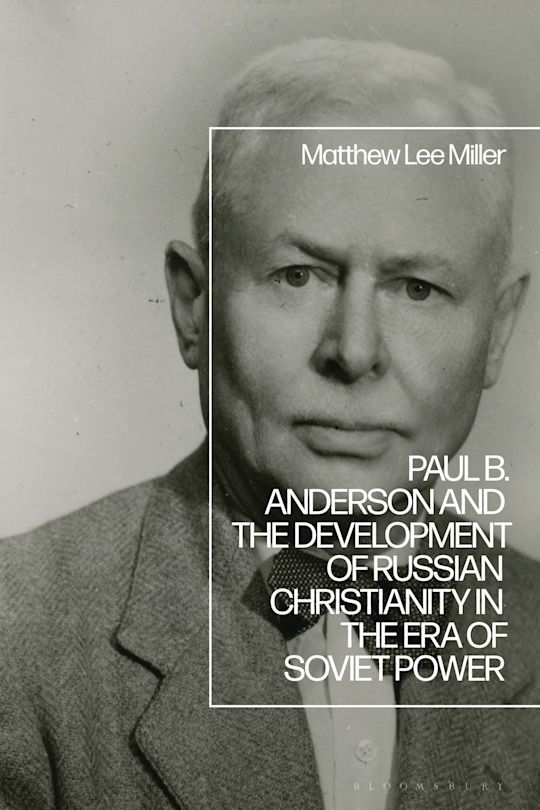
Paul B. Anderson and the Development of Russian Christianity in the Era of Soviet Power

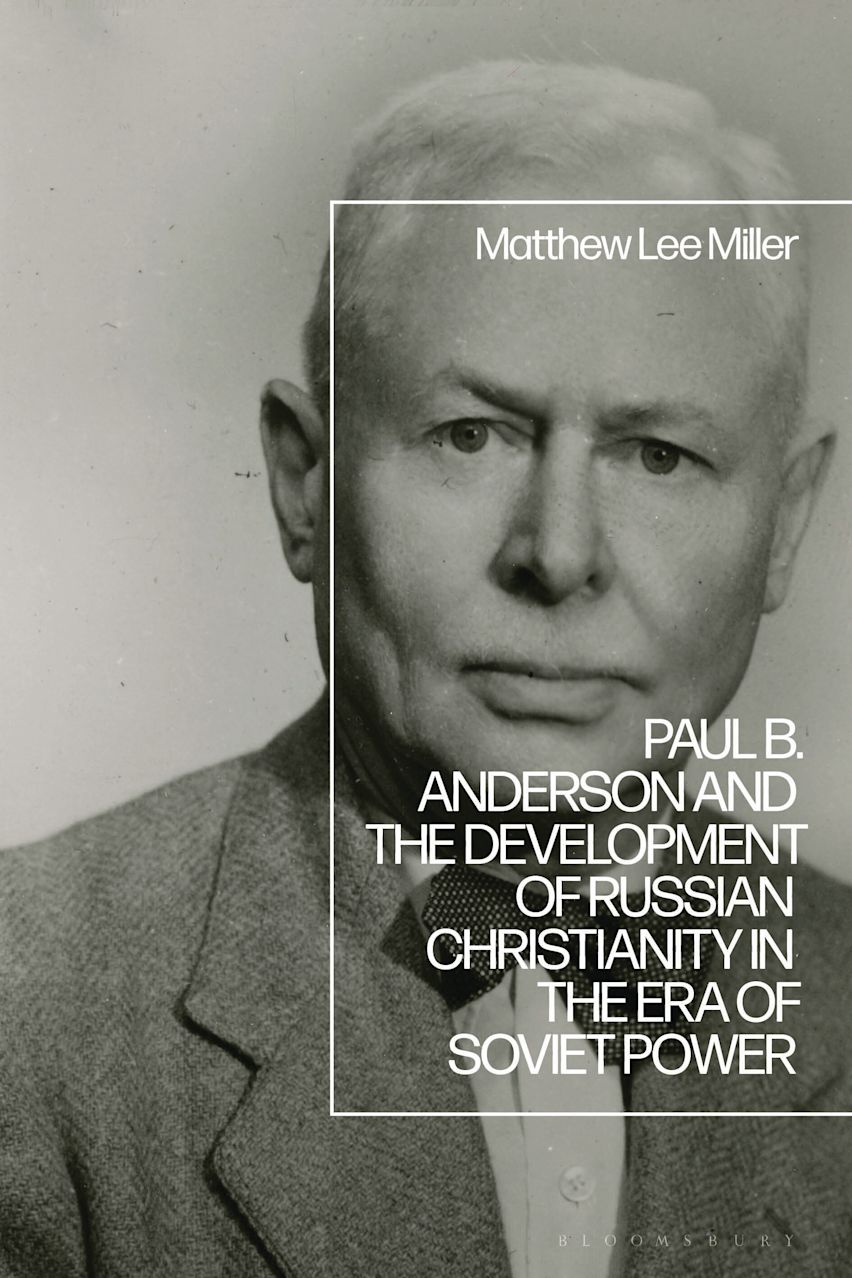
Paul B. Anderson and the Development of Russian Christianity in the Era of Soviet Power
Buying pre-order items
Ebooks and Audiobook
You will receive an email with a download link for the ebook or audiobook on the publication date.
Payment
You will not be charged for pre-ordered books until they are available to be shipped. Pre-ordered ebooks will not be charged for until they are available for download.
Amending or cancelling your order
For orders that have not been shipped you can usually make changes to pre-orders up to 72 hours before the publishing date.
Payment for this pre-order will be taken when the item becomes available
- Delivery and returns info
-
Free US delivery on orders $35 or over
Description
This book provides an examination of how an American church leader influenced and impacted the development of Russian Christianity during the Soviet Era. It looks at how Paul B. Anderson served as an advocate between American and Russian cultures and a promoter of fruitful interconfessional cooperation between Protestant and Orthodox Christians.
Exploring Anderson's personal and professional life, Matthew Lee Miller shows how he directed the YMCA, Episcopal Church, and National Council of Churches to creatively expand their ministry visions in order to develop productive partnerships with Russian Orthodox believers. Most significantly, Paul B. Anderson and the Development of Russian Christianity in the Era of Soviet Power reveals how Anderson built relationships of genuine trust and productive collaboration that connected networks of Orthodox intellectuals and clergy, Protestant ecumenical leaders from Europe and the United States, and scholars of Russian culture.
Table of Contents
Introduction
Part 1 - Student Volunteer (1894-1920)
1. From Iowa to Shanghai, 1894-1917: Joining the YMCA Movement
2. To Petrograd and Moscow, 1917-1920: Aiding Prisoners of War
Part 2 - European Leader (1920-1945)
3. To Berlin and Paris, 1920-1940: “Guardian Angel of the Russian Exile”
4. World War II, 1938-1945: Providing Aid in Crisis
Part 3 - Global Advocate (1945-1985)
5. YMCA World Service: Encouraging Global Leaders
6. The Ecumenical Movement: Building Orthodox-Protestant Bridges
7. National Council of Churches: Building Partnerships
8. Research on Faith: Providing Reliable Information
Conclusion
Appendix
Bibliography
Index
Product details

| Published | Feb 18 2027 |
|---|---|
| Format | Hardback |
| Edition | 1st |
| Pages | 308 |
| ISBN | 9781350631373 |
| Imprint | Bloomsbury Academic |
| Dimensions | 9 x 6 inches |
| Publisher | Bloomsbury Publishing |
Reviews
Related Titles