Popular Spaces in Post-Apartheid Literature
Race, Gender, and Liberation
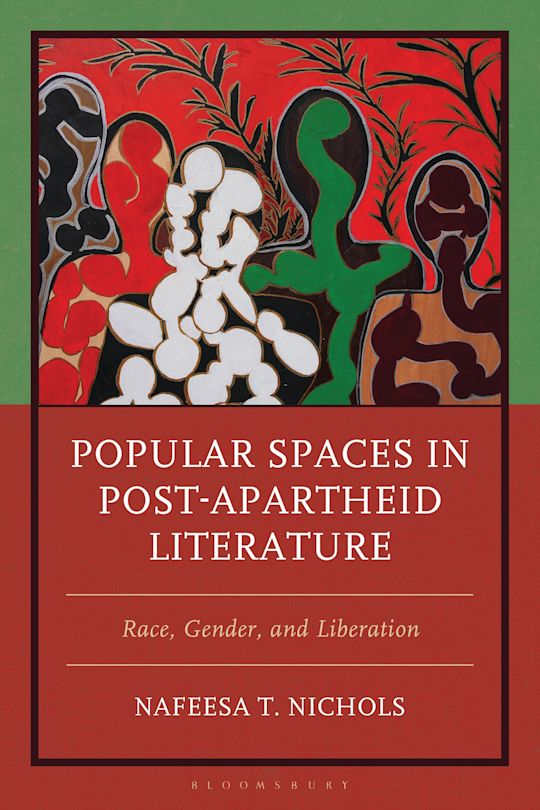

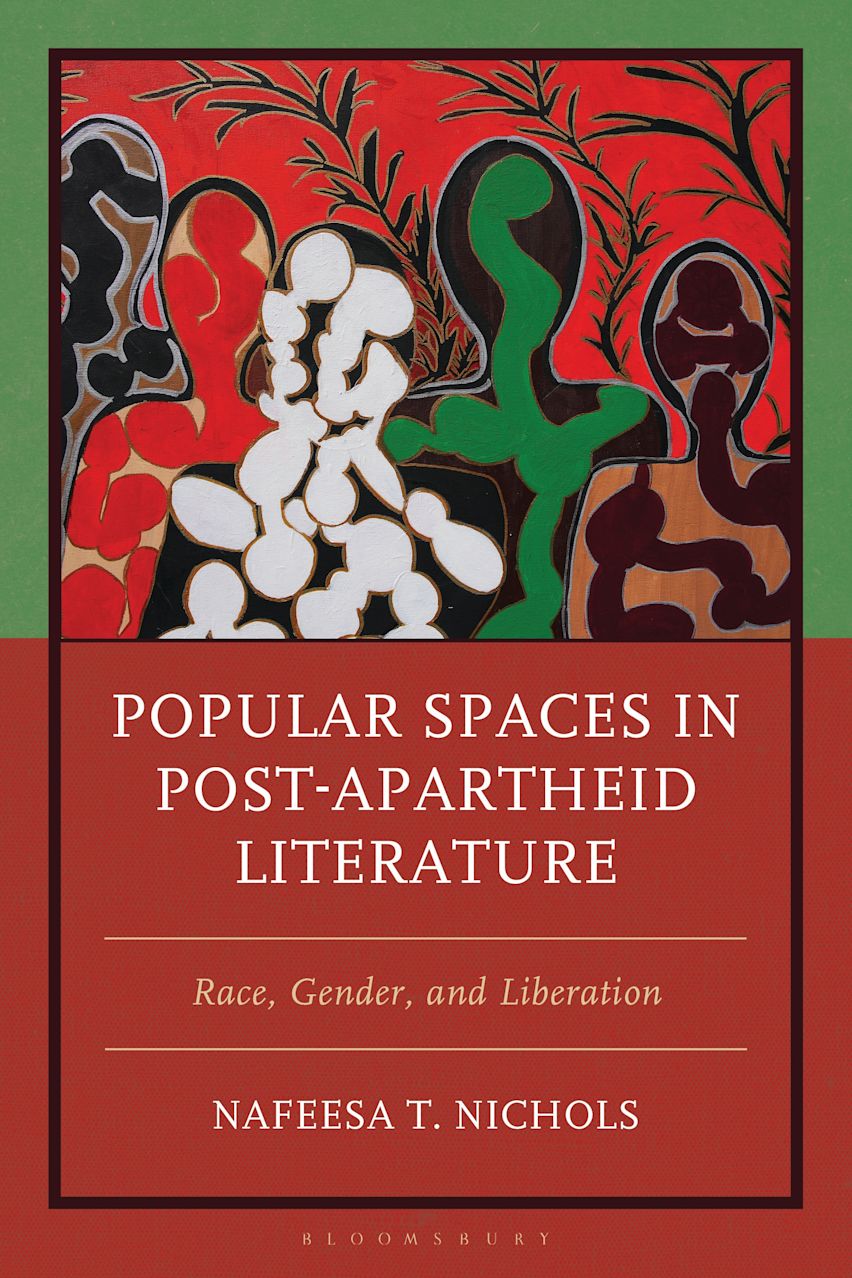
Popular Spaces in Post-Apartheid Literature
Race, Gender, and Liberation
Description
Nafeesa T. Nichols analyzes how racialized and gendered spaces are presented in post-apartheid South African literature.
Through the examination of four novels, Kopano Matlwa's Coconut (2007), Zukiswa Wanner's The Madams (2006), Niq Mhlongo's After Tears (2007), and Kgebetli Moele's Room 207 (2006), Popular Spaces in Post-Apartheid Literature highlights the interconnections between space, race, gender, and popular culture within the post-apartheid South Africa. Nichols not only explores how post-1994 literature attempts to represent the realities of the post-apartheid condition, but also reveals the innovative and radical contributions that these young authors of the early twenty-first century made within the literary world.
This book mediates the dynamics and complexities of space in connection to race and gender, exemplifies the challenge of working with and in violent masculinist textual spaces, and conceptualizes the popular in connection with class, race, and gender struggles. Drawing on an interdisciplinary mix of Black feminist theory, feminist geographical perspectives, and spatial theory, Nichols provides a close reading of each of the selected texts, offering broader insights into the how Black subjects navigate various spaces of oppression. Through these novels, she shows how we are able to imagine the possibilities of liberatory spaces, celebrate local knowledge, creativity, the popular, and, most importantly, the beauty and resistance found in the everyday. In the end, this book contributes to the academic conversations that continue to take place surrounding gender, space, literature, and liberation in South Africa.
Accessibility Information
Additional accessibility information
- EPUB 3.0
- Conforms with the requirements of EPUB Accessibility Spec v1.1
- WCAG level AA
- WCAG v2.2 compliant
- accessibility@bloomsbury.com
Hazards
The publication contains no hazards
Support for non-visual reading
- No accessibility features offered by the reading system, device or reading software are disabled or otherwise unusable with the product
- Has alternative text descriptions for images
Visual adjustments
Appearance of the text and page layout can be modified according to the capabilities of the reading system (font family and size, spaces, as well as color of background and text)
Navigation
- Page list to go to pages from the print source version
- Elements such as headings, tables, etc for structured navigation
- All or substantially all textual matter is arranged in a single logical reading order
- Content is enhanced with ARIA roles to optimize organization and facilitate navigation
- Purposes of all links are made clear
Rich content
Language tagging provided
Table of Contents
Introduction: Popular Spaces in Transition?
Part I: Space
1. Critical Readings of Post-Apartheid Spaces: Geographies of Disillusionment and Blackness
2. “I Secretly Believe that Makhulu is of Royal Blood”: Navigating Geographies of Containment and Concealment
Part II: Gender
3. Intimate Violence and Sexual Assault in Kopano Matlwa's Coconut: Carving Spaces of Feminist Liberation in Post-Apartheid South African Literature
4. Creative Interrogations of Gender and Space in Post-Apartheid Fiction
Part III: Popular Spaces
5. Kwaito Aesthetics and Spaces of Liberation in Post-Apartheid South African Literature
6. "Stronger Together?": Navigating Feminism and Popular Culture in Coconut and The Madams
Conclusion
Bibliography
Index
About the Author
Product details

| Published | Jan 08 2026 |
|---|---|
| Format | Ebook (Epub & Mobi) |
| Edition | 1st |
| Pages | 200 |
| ISBN | 9781978766440 |
| Imprint | Bloomsbury Academic |
| Publisher | Bloomsbury Publishing |
Reviews

ONLINE RESOURCES
Bloomsbury Collections
This book is available on Bloomsbury Collections where your library has access.
Related Titles