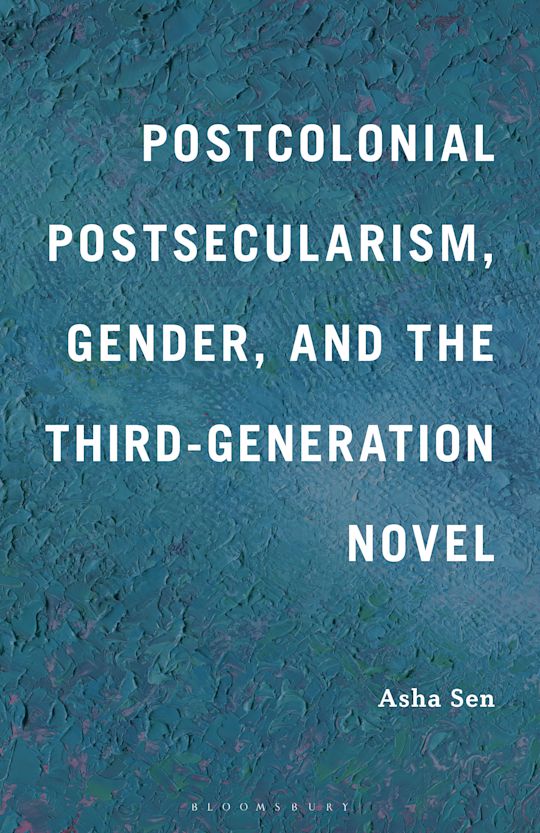

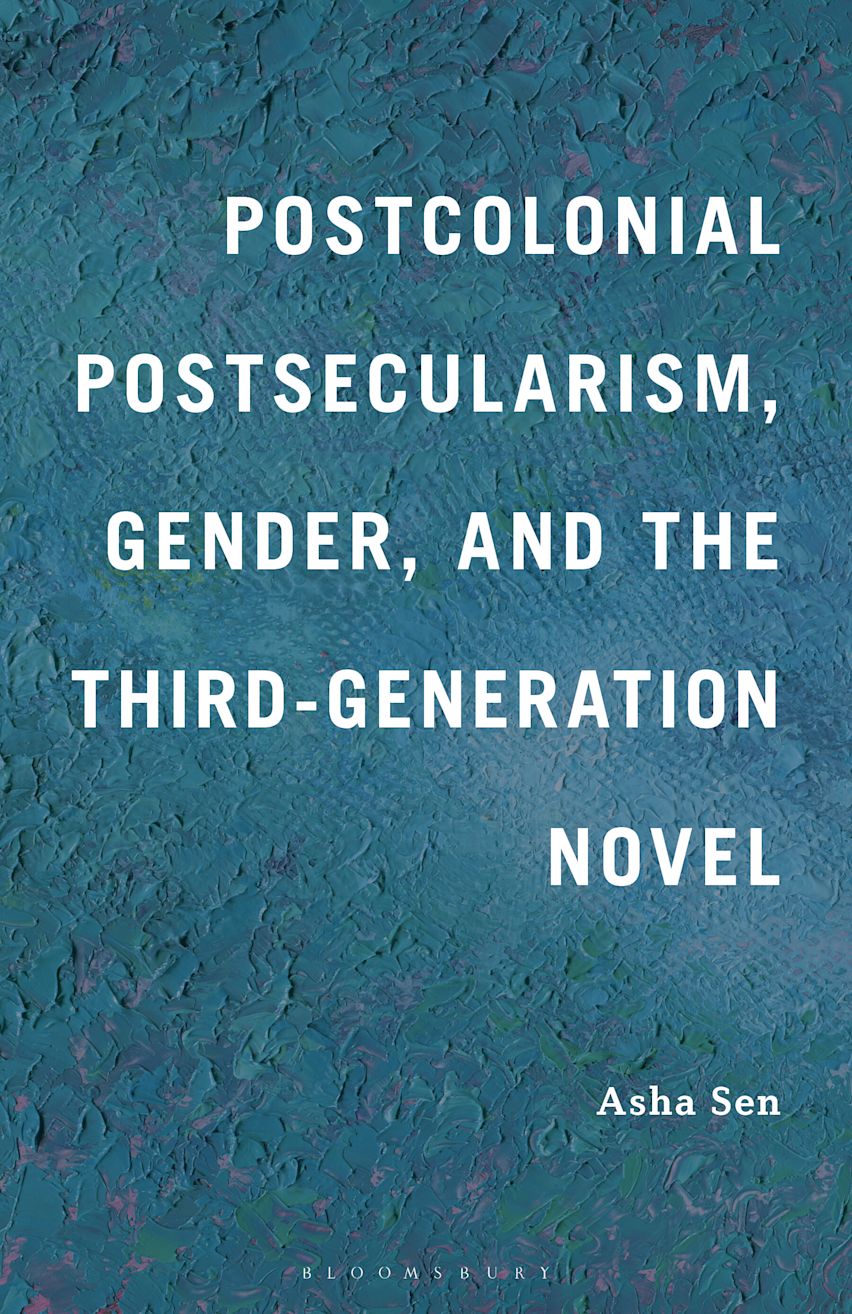
Postcolonial Postsecularism, Gender, and the Third-Generation Novel
Buying pre-order items
Ebooks and Audiobook
You will receive an email with a download link for the ebook or audiobook on the publication date.
Payment
You will not be charged for pre-ordered books until they are available to be shipped. Pre-ordered ebooks will not be charged for until they are available for download.
Amending or cancelling your order
For orders that have not been shipped you can usually make changes to pre-orders up to 72 hours before the publishing date.
Payment for this pre-order will be taken when the item becomes available
- Delivery and returns info
-
Free US delivery on orders $35 or over
Description
Utilizing postcolonial Affect Studies and indigenous religious traditions, Asha Sen argues that emotional affect moves the liberal humanist reader beyond mere character identification, to an active reconceptualization of the ways in which we think about agency, indigenous religions, and social justice.
The rise of Islamophobia and anti-Semitism in the United States have made the role of religion in public life too dangerous to ignore. Through a combination of postsecularism, religion, and affect, this book examines the work of marginalized writers who reconsider religious tradition in order to reclaim agency and express bodily affect, emphasizing the pacifist possibilities embedded in secular/religious collaboration. Sen attests that while first and second generation postcolonial women writers, like their male counterparts, were influenced by secular modernity and often referenced religion as the perpetrator of gendered violence against women and children, third generation writers are actively revisiting and reclaiming indigenous religious traditions as a way of manifesting bodily autonomy. By focusing on the reconfiguration of indigenous traditions by women and LGBTQIA+ authors, Sen argues that these authors are representative of a wider trend in postcolonial literature: marginalized writers claiming religious traditions as means of self-identification and as a way to insert themselves into their country's (trans)national histories.
Table of Contents
1. “All the World is a Prayer Mat”: Representations of Islam in Leila Aboulela's The Translator (1999), Mohja Kahf's The Girl in the Tangerine Scarf (2006), and Kamila Shamsie's Home Fire (2017)
2. “She could be a woman taking charge of her own life: She could be anything:” Exploring Desire in Chimamanda Ngozi Adichie's Half of a Yellow Sun (2006), Akwaeke Emezi's Freshwater (2018), and Chinelo Okparanta's Under the Udala Trees (2015)
3. Singing the Songlines in Melissa Lucashenko's Mullumbimby (2013), Tara June Winch's The Yield (2019) and Jeanine Leane's Purple Threads (2011)
Coda: Returning to Religion
Works Cited
Product details

| Published | May 13 2027 |
|---|---|
| Format | Hardback |
| Edition | 1st |
| Pages | 272 |
| ISBN | 9781666976229 |
| Imprint | Bloomsbury Academic |
| Dimensions | 9 x 6 inches |
| Publisher | Bloomsbury Publishing |
Related Titles