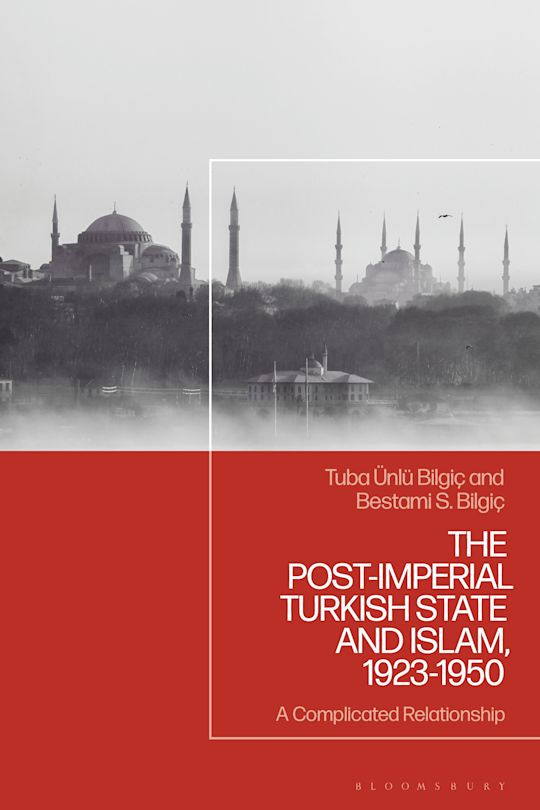
The Post-Imperial Turkish State and Islam, 1923-1950
A Complicated Relationship

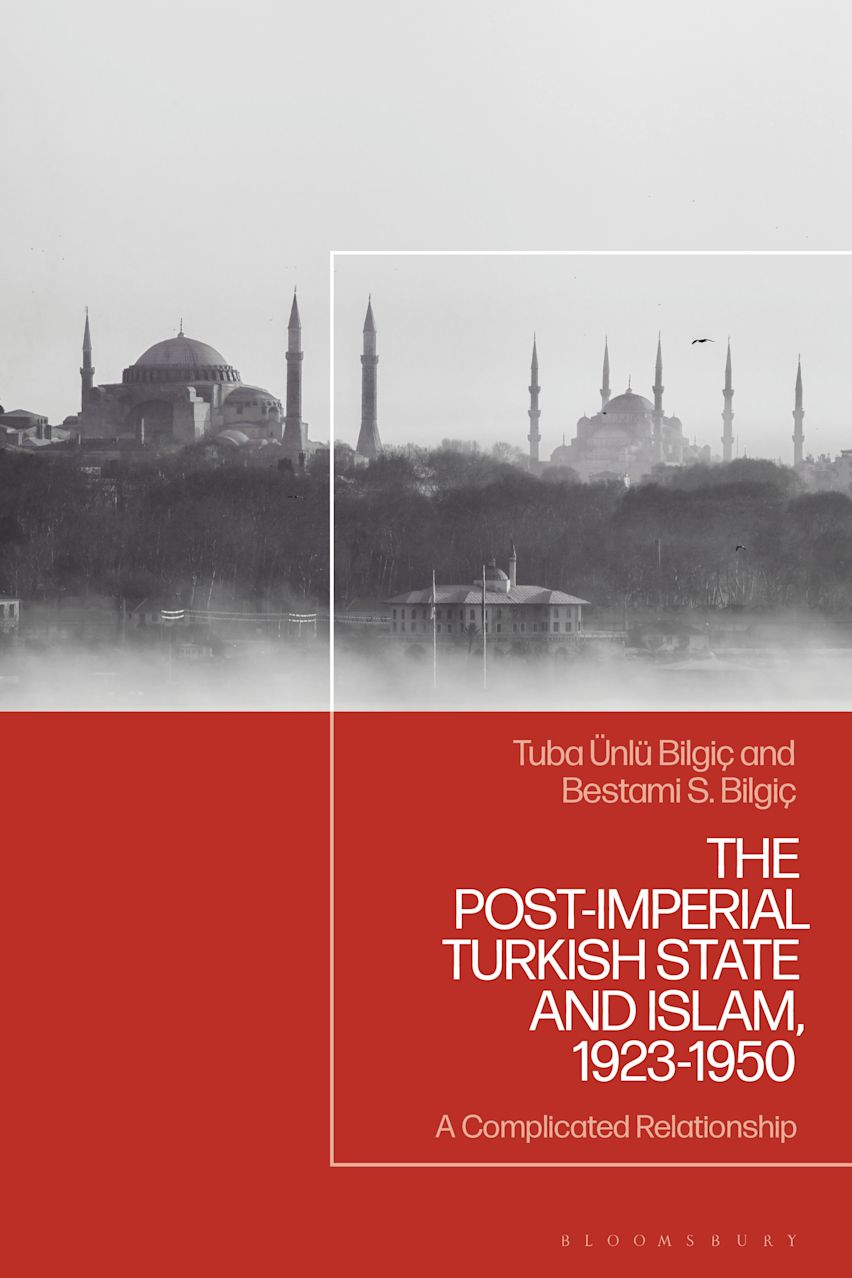
The Post-Imperial Turkish State and Islam, 1923-1950
A Complicated Relationship
Buying pre-order items
Ebooks and Audiobook
You will receive an email with a download link for the ebook or audiobook on the publication date.
Payment
You will not be charged for pre-ordered books until they are available to be shipped. Pre-ordered ebooks will not be charged for until they are available for download.
Amending or cancelling your order
For orders that have not been shipped you can usually make changes to pre-orders up to 72 hours before the publishing date.
Payment for this pre-order will be taken when the item becomes available
This product is usually dispatched within 1 week following the publication date
- Delivery and returns info
-
Free US delivery on orders $35 or over
Description
The period between 1923-1950 is seen as the golden age of secularism in the Turkish Republic, but how true is this? The Post-Imperial Turkish State and Islam, 1923-1950 revisits the relationship between the state and Islam in Turkey during this period, arguing that it was shaped and complicated by a post-imperial trauma that manifested in almost all parts of political and social life.
Using extensive Turkish and English language government documents, the authors argue that this was neither a golden age for secularism, nor a dark age for Islam in Turkey. Instead, they reveal how the Turkish government's relationship with Islam was shaped by three processes of negotiation. First, the 'Lausanne negotiation' between Turkey and the victorious powers of the First World War, second between the Kemalist government and both its dissenters and the largely conservative Turkish society, and third, amongst the Kemalist themselves. Through these negotiations, the authors reveal the intricate and complex relationship between state and religion in post-imperial Turkey, contributing fascinating new insights to the established literature on this subject.
Table of Contents
Part I: Security
Lausanne Civil Law Constitution Attire Education Part II: Opposition
Caliph Convent Part III: Reform
Diyanet Higher Education Conclusion
Product details

| Published | Sep 03 2026 |
|---|---|
| Format | Hardback |
| Edition | 1st |
| Pages | 176 |
| ISBN | 9781666979916 |
| Imprint | Bloomsbury Academic |
| Dimensions | 9 x 6 inches |
| Publisher | Bloomsbury Publishing |
Reviews

ONLINE RESOURCES
Bloomsbury Collections
This book is available on Bloomsbury Collections where your library has access.
Related Titles