Rethinking Freedom from the Perspective of Refugees
Lived Experiences in Europe’s Border Zones
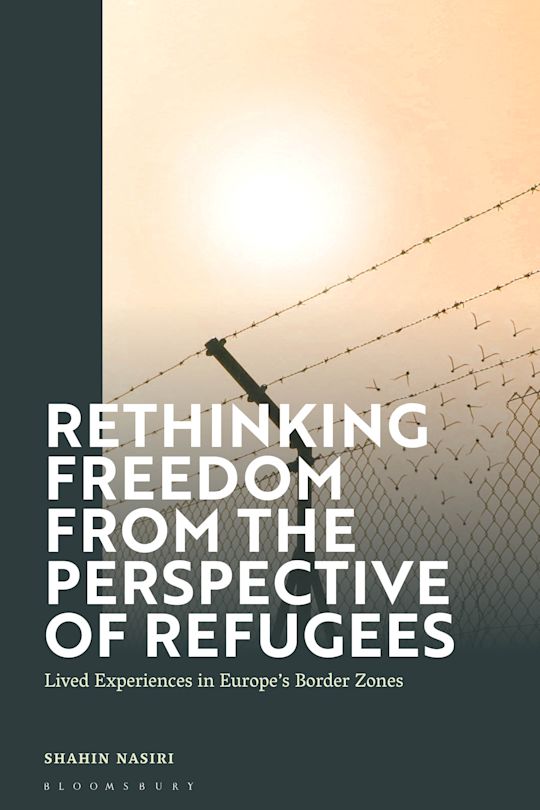

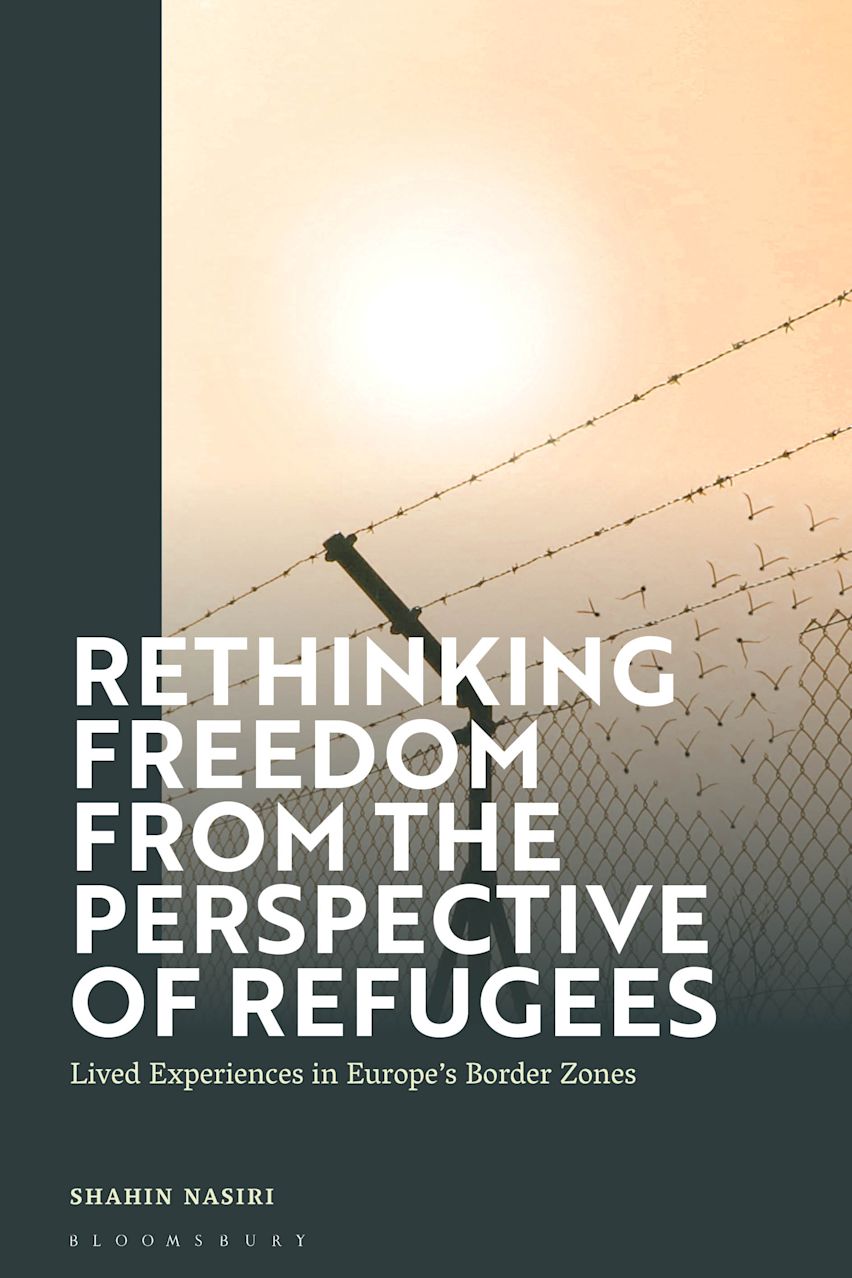
Rethinking Freedom from the Perspective of Refugees
Lived Experiences in Europe’s Border Zones
Buying pre-order items
Ebooks and Audiobook
You will receive an email with a download link for the ebook or audiobook on the publication date.
Payment
You will not be charged for pre-ordered books until they are available to be shipped. Pre-ordered ebooks will not be charged for until they are available for download.
Amending or cancelling your order
For orders that have not been shipped you can usually make changes to pre-orders up to 72 hours before the publishing date.
Payment for this pre-order will be taken when the item becomes available
- Delivery and returns info
-
Free US delivery on orders $35 or over
Description
Over the last decades, the experience of mass flight has come to constitute the normalised mode of existence for a growing number of people who do not fit within the boundaries of nation-states.
In mainstream political discourse, refugees are viewed either as voiceless victims who should be offered protection and assistance on humanitarian grounds, or as enemy-like strangers who pose a threat to the borders, stability, citizens of nation states. Both views however fundamentally disregard the political subjectivity of refugees, as well as the emancipatory phenomena and practices of freedom that are embedded and expressed in their migratory movements.
A philosophical examination of freedom and refugeehood, this book aims to make up for this under-theorisation of the emancipatory dimensions of refugeehood and fugitivity – exploring the political significance of (un)freedom through lived experiences, cultural narratives, and epistemic resources of contemporary refugees. Including chapters exploring racial-colonial structures of abandonment and violence, and autonomous relations and arrangements by which refugees enact freedom in receiving states, Rethinking Freedom from the Perspective of Refugees offers a novel theoretical and methodological approach for reconceptualizing (un)freedom. In doing so, it contributes to emerging discussions in the field of political philosophy, critical migration theory, critical race theory, and abolitionist perspectives in border studies.
Table of Contents
1. The Idealised Subject of Freedom and the Refugee
2. Freedom, (Non)-Subjectivity, and Refugeehood
3. To Flee is to Free: Flight from Abandonment
4. Neither a Friend nor an Enemy
5. The Spatial Determinations of Unfreedom
6. Freedom as Friendship
Conclusion
References
Index
Product details

| Published | Nov 26 2026 |
|---|---|
| Format | Hardback |
| Edition | 1st |
| Pages | 224 |
| ISBN | 9781350616745 |
| Imprint | Bloomsbury Academic |
| Dimensions | 9 x 6 inches |
| Publisher | Bloomsbury Publishing |
Reviews
Related Titles