Rethinking Islamic Politics in Tunisia
A Gramscian Analysis
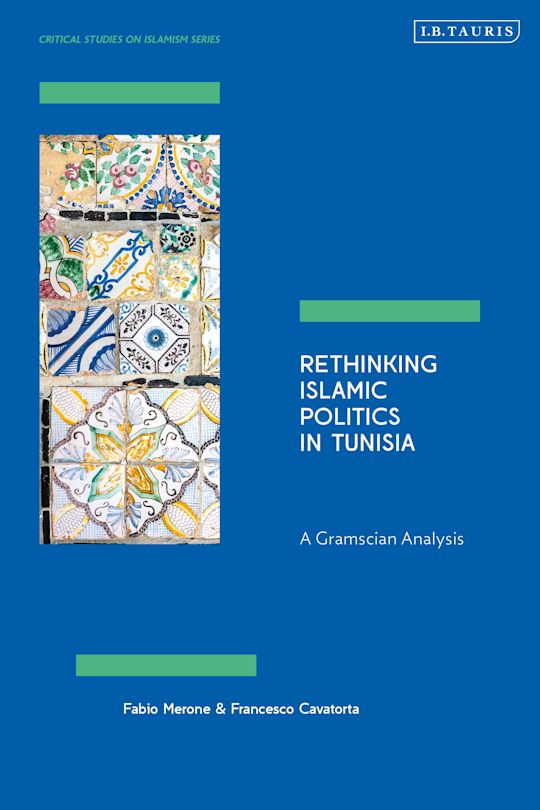

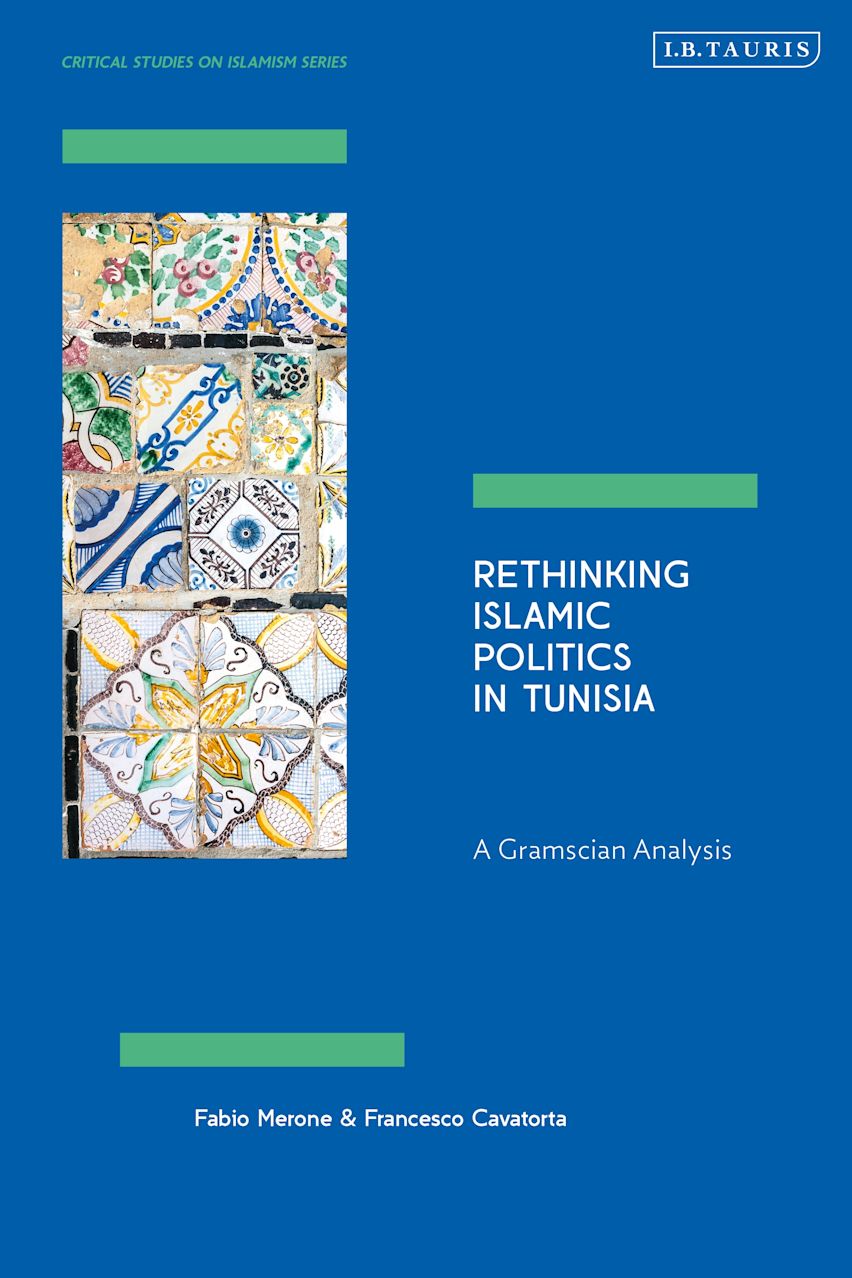
Rethinking Islamic Politics in Tunisia
A Gramscian Analysis
Buying pre-order items
Ebooks and Audiobook
You will receive an email with a download link for the ebook or audiobook on the publication date.
Payment
You will not be charged for pre-ordered books until they are available to be shipped. Pre-ordered ebooks will not be charged for until they are available for download.
Amending or cancelling your order
For orders that have not been shipped you can usually make changes to pre-orders up to 72 hours before the publishing date.
Payment for this pre-order will be taken when the item becomes available
- Delivery and returns info
-
Free US delivery on orders $35 or over
Description
The emergence of Islamist and Salafi movements – the actors of Islamist Politics – has been a critical area of scholarship on the Middle East and North Africa. But there is no theoretical framework to understand political Islam as a phenomenon that includes both Islamic ideology and modern activism. This book uses the Gramscian concept of political activism to provide this much-needed perspective. As Arab societies have had a similar historical development and trajectory to the society Gramsci was analyzing, his ideas are shown to be particularly relevant for understanding the post-2011 democratization and politicization of Islamist and Salafi movements.
Based on the case study of the Tunisian Islamist movement, al-Nahda, and the Tunisian Salafi movement, Ansar al-Sharia, political Islam is given a useful explanatory framework to explain how the ideological/theological side of Islamic activism realizes itself into practical political action. The book establishes the term 'Islamic politics' to describe this combination of socio-religious mobilization - commonly defined as dawa - and political organization, including party or revolutionary organizations. Furthermore, the authors show that Islamists and Salafists can be described as 'post-Islamist' in the same way communist parties became 'post-communist' and 'post-ideological'.
Written by two renowned experts on political Islam, the innovative theoretical framework used here can explain the development and behaviour of Islamist groups in other contexts, moving scholarship beyond traditional approaches.
Table of Contents
Chapter 1: Islamic Politics: Islamism, Salafism and Post-Islamism
Chapter 2: Islamic Politics and Gramsci
Chapter 3: Islamic Reformism, Popular Mobilization and the Construction of a Modernist Ideology in Tunisia
Chapter 4: The 'Gramscian' Turn in Tunisian Islamic politics: al-Nahda
Chapter 5: The Second Wave of Islamic Politics: Ansar al-Sharia
Chapter 6: Al-Nahda and Post-Islamism
Chapter 7: The end of Islamic politics?
Conclusion
Bibliography
Index
Product details
| Published | May 27 2027 |
|---|---|
| Format | Paperback |
| Edition | 1st |
| Pages | 224 |
| ISBN | 9780755656424 |
| Imprint | I.B. Tauris |
| Dimensions | 9 x 6 inches |
| Series | Critical Studies on Islamism Series |
| Publisher | Bloomsbury Publishing |
Reviews

ONLINE RESOURCES
Bloomsbury Collections
This book is available on Bloomsbury Collections where your library has access.
Related Titles