
Available for purchase via Bloomsbury etextbooks on publication date
Description
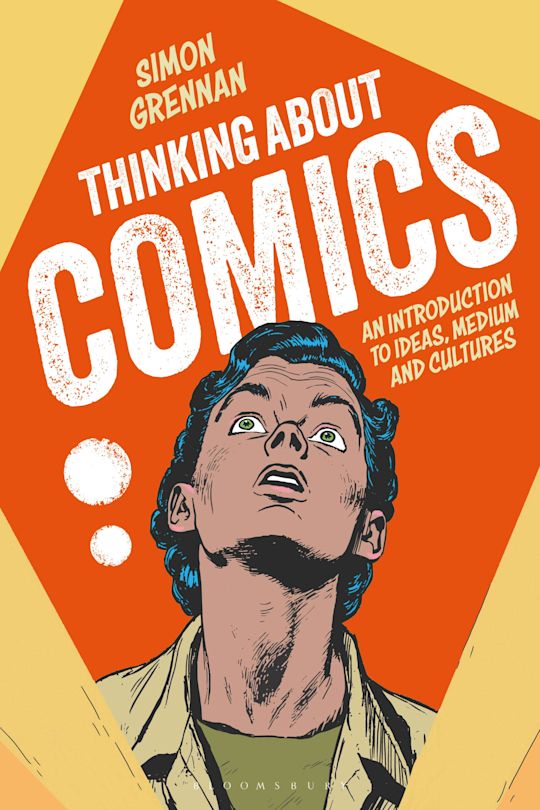
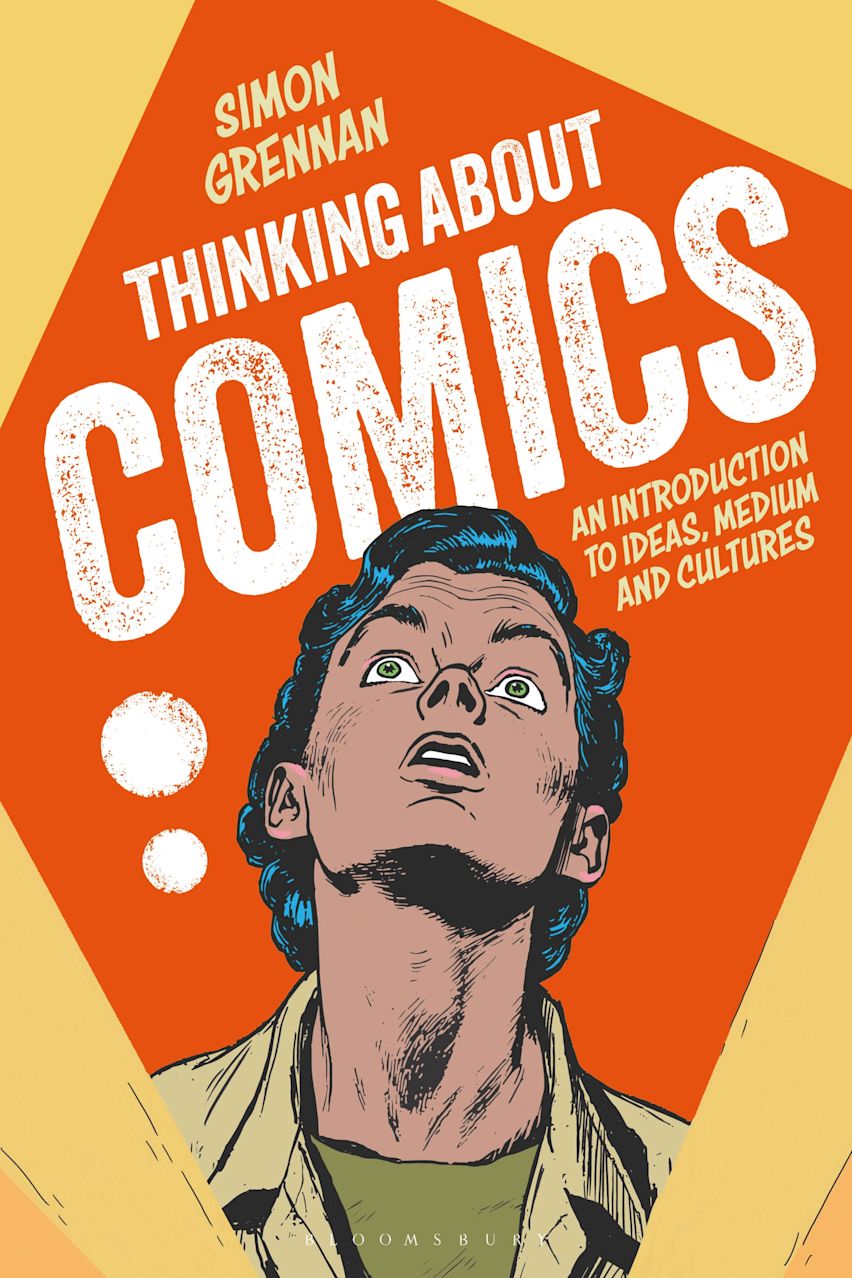
A lively and compelling guide to the key ideas that have shaped how drawn stories are made and used globally, this book is a comprehensively illustrated roadmap to thinking about comics and narrative drawing as centres of cultural change and for making sense of the world. Balancing crucial detail with accessible brevity, Thinking About Comics consolidates and connects the most significant ideas from comics and media studies, art theory and philosophy to offer a fresh characterisation of the medium, its past and current uses, and possible future transformations and opportunities.
Revealing the relationships between visual storytelling and the body, mass production and seriality, drawing and language, social conventions and the impact of comics on lived experience, author Simon Grennan foregoes a chronological approach to comics to start with the nature of visual depiction; what follows is a dynamic overview of the visual language of comics across different cultures. With a fundamental and multi-faceted focus on drawing and teasing out the difference between what is and is not language, Grennan brings together a wide range of materials in the field from sources published at the foundation of the discipline to recent scholarship.
Structured around English, French, Japanese, Chinese and Korean case studies from different traditions of comics drawing, distribution and use, the book includes over 180 illustrations and students can also benefit from a glossary of key terms and further reading for each section. Making fresh connections between familiar and unfamiliar ideas and ranging widely across histories, people and places this is a unique, powerful introduction to how comics work as a medium of communication and creativity.
Accessibility Information
Additional accessibility information
- PDF/UA-2, 1.4
- accessibility@bloomsbury.com
Hazards
The publication contains no hazards
Support for non-visual reading
Has alternative text descriptions for images
Navigation
- Page list to go to pages from the print source version
- Elements such as headings, tables, etc for structured navigation
- All or substantially all textual matter is arranged in a single logical reading order
Table of Contents
1. Thinking about Comics
1a. Writing, drawing, comics
1b. Recognising comics
2. The Circumstances of Comics
2a. Three sample traditions of producing and using comics
Comics, comix and graphic novels
Bande dessinées
Manga, manhua and manhwa
2b. Comics traditions as autography, story and reading
Analysing historic contingencies in comics
Globalisation is mediatisation
Producing culture: comics contingencies by category
Comics' opportunities
Reading writing
Depiction
Story and storyworld
Space, time and spatio-topia
Page layout or 'mise-en-page'
Scene-setting or 'mise-en-scene'
Locating the comics user
The narrator's point of view
Memories of the story and the anticipation of action
Knowing without seeing
Repetition and rhythm
Sequence and series
Sound and silence
2c. Bodies as comics
Healthy, unhealthy, diagnostic, medical and palliative comics
Bodily behaviour
Bodily capacities
2d. Ethics
Unjust comics
Social motivations
Comedy, satire and parody
Truth-telling comics
2e. Transforming comics
Transmedia and remediation
Foriegnisation and domestication
Comics without drawing
Comics and labour
3. Comics within Drawing
The different purposes of drawing
Drawing defining comics
Mark
Line
Index and trace
Autography
Style and voice
Visual language
Enunciation remediated
Physicality in drawing
Polygraphy
4. Emerging Thoughts about Comics
Generative artificial intelligence and typification
New and old contingencies
Glossary of Selected Terms in the Text
Bibliography and Further Reading, by Section
Product details

| Published | Mar 18 2027 |
|---|---|
| Format | Ebook (PDF) |
| Edition | 1st |
| Pages | 232 |
| ISBN | 9781350633155 |
| Imprint | Bloomsbury Academic |
| Illustrations | 178 colour illus |
| Publisher | Bloomsbury Publishing |
Related Titles