
Buying pre-order items
Ebooks and Audiobook
You will receive an email with a download link for the ebook or audiobook on the publication date.
Payment
You will not be charged for pre-ordered books until they are available to be shipped. Pre-ordered ebooks will not be charged for until they are available for download.
Amending or cancelling your order
For orders that have not been shipped you can usually make changes to pre-orders up to 72 hours before the publishing date.
Payment for this pre-order will be taken when the item becomes available
- Delivery and returns info
-
Free US delivery on orders $35 or over
Description
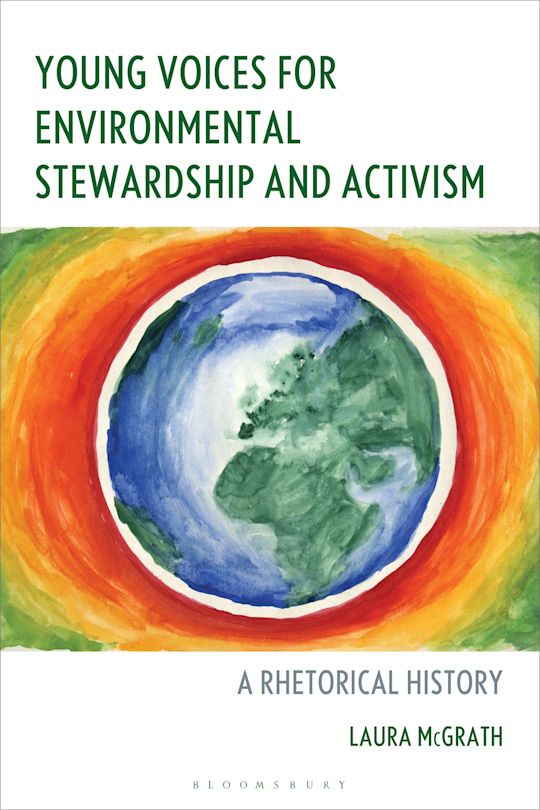
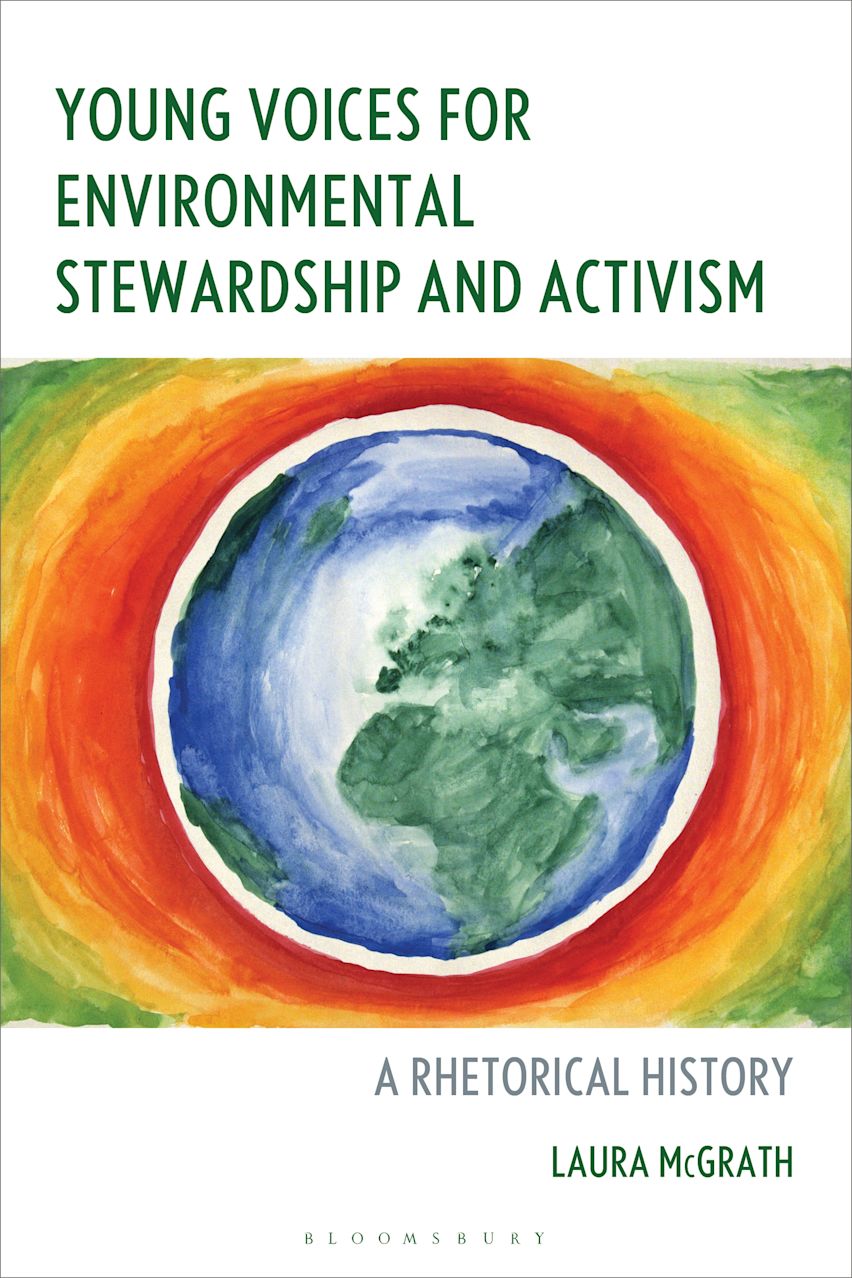
This rhetorical history of discourses about young people and the environment highlights how American youth use their voices and energies to advocate for the natural world.
Laura McGrath argues that both education – environmental, character, civic – and young people's own contributions to conservation and activism efforts have played an equally important role in promoting youth environmental advocacy in the United States from the late 19th century through the present day.
Examining rhetorical artifacts such as essays, artwork, speeches, and social media posts along with historical records of youth involvement in conservation efforts, McGrath identifies prevalent tropes and assumptions in arguments made by adults and demonstrates how young people have engaged with these narratives while exercising their own rhetorical agency.
Table of Contents
Introduction: Youth Rhetorical Power in Discourses on Young People and the Environment
1. “The Most Teachable Point”: Developing Young Protectionists and Conservation Leaders Through Nature-Study and Club Work (1890s–1930s)
2. From Citizens-in-Training to Eco-Activists: Young People as Timber Protectors, Anti-Litter Heroes, and Environmental Activists (1940s–1960s)
3. Young Environmentalists in “America the Polluted” (1970–1980)
4. Green Teens and Environmental Heroes: Young People as Planet Protectors (1980s–2000s)
5. Youth Activism from #NoDAPL to the Youth Climate Movement: Visibility and Voice (2010s–2020s) Conclusion: Young Voices for the Environment: Resonant Assumptions, Changing Dynamics
References
About the Author
Product details

| Published | Jan 07 2027 |
|---|---|
| Format | Hardback |
| Edition | 1st |
| Pages | 184 |
| ISBN | 9781666948592 |
| Imprint | Bloomsbury Academic |
| Dimensions | 9 x 6 inches |
| Publisher | Bloomsbury Publishing |
Reviews
Related Titles