
- Home
- ACADEMIC
- History
- Middle Eastern History
- The 1973 Arab-Israeli War
This product is usually dispatched within 1 week
- Delivery and returns info
-
Free CA delivery on orders $40 or over
You must sign in to add this item to your wishlist. Please sign in or create an account
Description
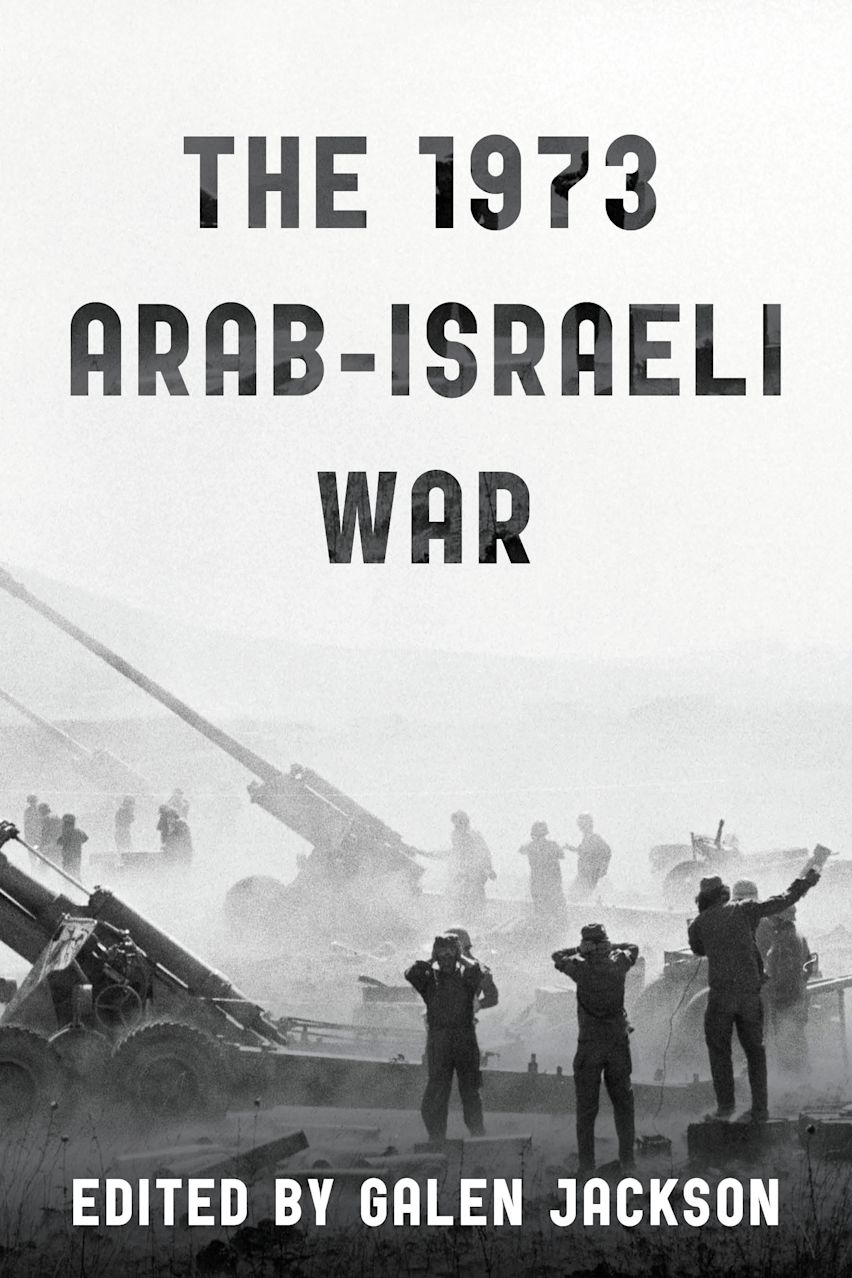
The October 1973 Middle East War transformed the region’s politics and had a huge impact on the international political system as a whole. Arguments about the causes, effects, and meaning of the war and about why it ran its course the way it did have played a key role in shaping the understanding of the Arab-Israeli conflict, of American policy in the Middle East, and of many other major issues. For the 50th anniversary of the war, this book grapples with these issues in an objective way by using the mass of declassified material that has recently become available.
Table of Contents
Introduction: The October 1973 Arab-Israeli War-Looking Back 50 Years Later - William B. Quandt
Chapter 1: The October 1973 War: Culmination of the Failure of Political Analysis - Yigal Kipnis
Chapter 2: Egypt's Military Effectiveness in the October War - Risa Brooks
Chapter 3: Self-Inflicted Wound? Henry Kissinger and the Ending of the October 1973 Arab-Israeli War - Galen Jackson and Marc Trachtenberg
Chapter 4: Syria and the 1973 Arab-Israeli War - Raymond Hinnebusch
Chapter 5: The Impact of the October 1973 War on the Palestinians - Khaled Elgindy
Chapter 6: The Cold War and Oil: Paving the Way to a US-Led Peace Process - Jeremy Pressman
Conclusion - Jerome Slater
Index
About the Contributors
Product details
| Published | Sep 27 2023 |
|---|---|
| Format | Hardback |
| Edition | 1st |
| Pages | 202 |
| ISBN | 9781538172025 |
| Imprint | Rowman & Littlefield |
| Dimensions | 241 x 161 mm |
| Publisher | Bloomsbury Publishing |
About the contributors
Reviews
-
This exceptionally well-integrated collection of essays about the October 1973 War (also referred to as the Yom Kippur or Ramadan War) and its consequences offers an excellent overview of Arab-Israeli politics prior to October 7, 2023, 50 years later. William B. Quandt, who served on Henry Kissinger’s National Security Council staff in 1973, argues in the introduction that the war could have been avoided had Israeli Prime Minister Golda Meir been less intransigent and if Kissinger had taken Egyptian President Anwar Sadat more seriously in earlier discussions of a major diplomatic initiative. As it was, the conduct of the war led to the breakdown of détente with the Soviet Union and a nuclear alert because Kissinger had given the Israelis too much slack in obeying the ceasefire negotiated by the superpowers. Several contributing authors question Kissinger’s credibility, and Quandt still wonders what really lay behind Sadat’s refusal of an earlier ceasefire proposal, given his distrust of the Syrian ally and his control of Egypt’s professionalized military. An earlier ending might have preempted any use of the Arab oil weapon. The ensuing peace process unfortunately excluded the Palestinians, also extensively analyzed in the present volume. A must-read! Essential. General readers through faculty; professionals.
Choice Reviews
-
Despite being a pivotal event, the 1973 war has received far less academic attention than its predecessors, the 1948 and 1967 wars. This volume strongly contributes to making amends through thoroughly addressing some of the core questions surrounding the war.
Jørgen Jensehaugen, Peace Research Institute Oslo
-
Jackson’s edited volume provides a seminal view of the flawed perceptions that led to the 1973 Arab-Israeli war, reexamining superpower détente, the nuclear dimension and the U.S. role in shaping the outcome of that clash. Based extensively on archival material, these six chapters offer new insights into Israeli decision making, the recasting of the Egyptian army, the scope of Syria’s strategic goals and the impact of the war upon the Palestinians.
Zach Levey, University of Haifa
-
Galen Jackson’s edited volume features powerful and illuminating contributions to our understanding of the logics that drove the Arab states to act, that led the Golda Meir government to prefer war to the political risks of peace, and that blocked promising diplomatic opportunities for the United States and the Soviet Union to achieve the Arab-Israeli peace that has proven so elusive ever since.
Professor of Political Science, University of Pennsylvania, Ian Lustick, University of Pennsylvania
ONLINE RESOURCES
Bloomsbury Collections
This book is available on Bloomsbury Collections where your library has access.