
Buying pre-order items
Ebooks and Audiobook
You will receive an email with a download link for the ebook or audiobook on the publication date.
Payment
You will not be charged for pre-ordered books until they are available to be shipped. Pre-ordered ebooks will not be charged for until they are available for download.
Amending or cancelling your order
For orders that have not been shipped you can usually make changes to pre-orders up to 72 hours before the publishing date.
Payment for this pre-order will be taken when the item becomes available
Description
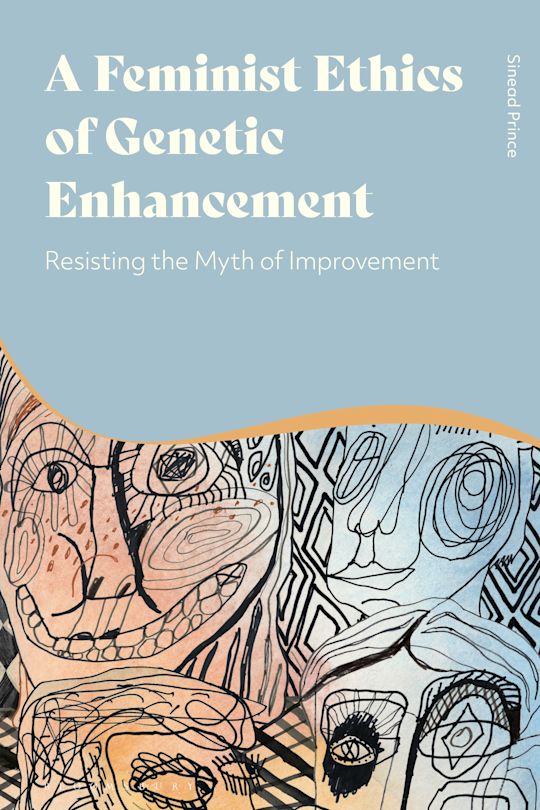
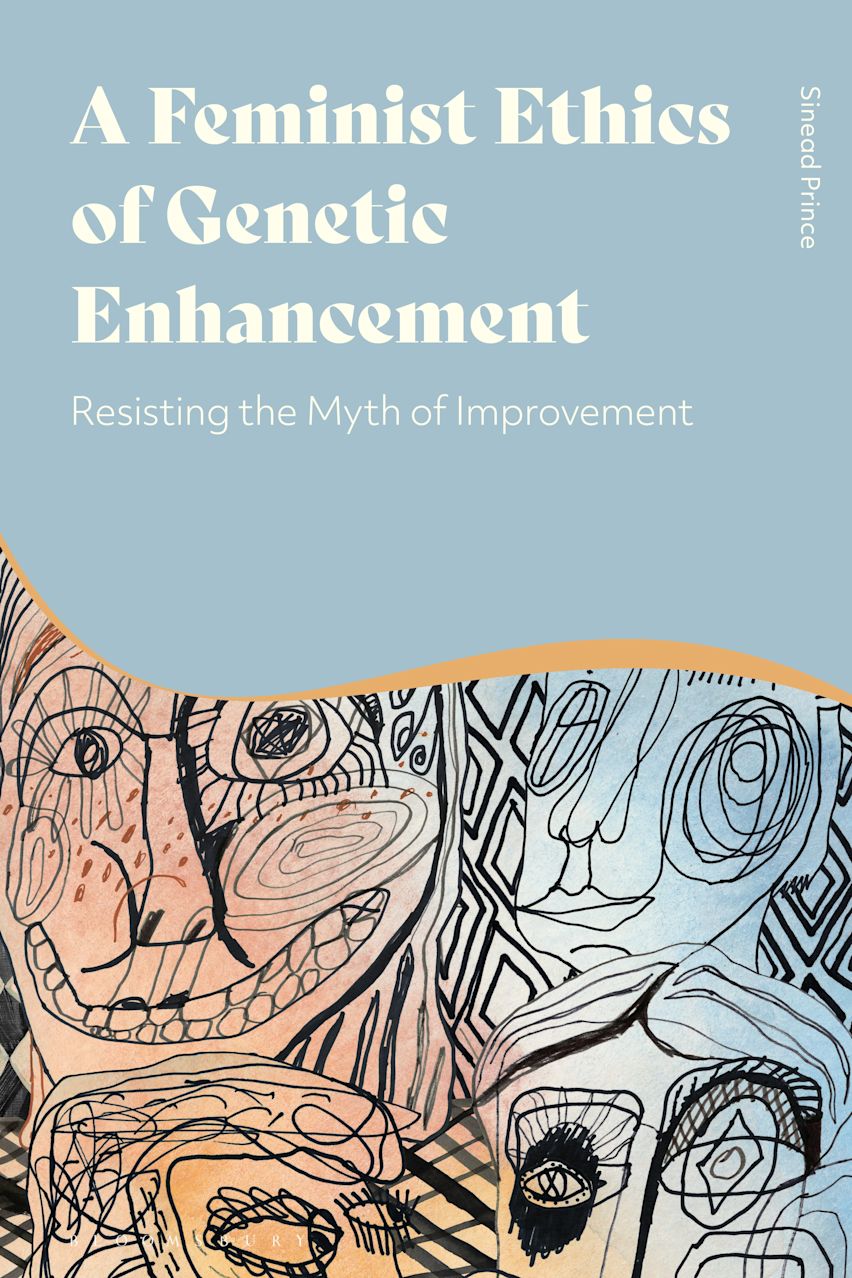
In the first book to offer a feminist analysis of the ethics surrounding genetic enhancement technologies, Sinead Prince boldly challenges the assumption that improving our genes is inherently good for us.
Prince begins by considering what we mean by 'enhancing' genes. Arguing against pro-enhancement scholars such as Nick Bostrom, Julian Suvalescu and John Harris, she calls into question the idea that physiological changes to the human body are necessarily good for the person as a whole. Is it always a good thing to improve memory, for example? After all, it might mean you learn a language more quickly, but you might also remember traumatic memories you would rather forget. Genetic enhancements may perfect the body's abilities, but not necessarily the person's life.
Bringing traditional theories of well-being into the dialogue, Prince proceeds to suggest that well-being is not simply about improved traits or increased capacities, but about freedom and the ability to make choices uncoerced by systemic pressures. Through case studies on cosmetic enhancements and meritocratic ideals, the book reveals how oppressive norms such as patriarchy and capitalism undermine autonomy and authenticity, making many bodily modifications far from liberating: a problem that will only get worse if we permit irreversible genetic enhancements.
Through a combination of feminist theory and rigorous philosophical analysis, A Feminist Ethics of Genetic Enhancement empowers readers to resist narratives that equate worth with perfection and issues a radical call to embrace the unmodified body. In an era of accelerating biotechnologies, this is a timely and essential critique of so-called designer genes and a reminder that we are enough as we are.
Accessibility Information
Additional accessibility information
- PDF/UA-2, 1.4
- accessibility@bloomsbury.com
Hazards
The publication contains no hazards
Support for non-visual reading
Has alternative text descriptions for images
Navigation
- Page list to go to pages from the print source version
- Elements such as headings, tables, etc for structured navigation
- All or substantially all textual matter is arranged in a single logical reading order
Table of Contents
2. Defining Enhancement by Defining Health and Disease
3. The Therapy–Enhancement Debate
4. Distinguishing Enhancement from Healthcare
5. The Tool–Enhancement Distinction
6. The Presumption of Beneficence
7. A Brief History of Well-Being
8. What is Well-Being?
9. Will Genetic Enhancements Make Us Happier?
10. Conclusion
Bibliography
Index
Product details

| Published | Apr 01 2027 |
|---|---|
| Format | Ebook (PDF) |
| Edition | 1st |
| Pages | 256 |
| ISBN | 9781350650060 |
| Imprint | Bloomsbury Academic |
| Publisher | Bloomsbury Publishing |
Related Titles