
Buying pre-order items
Ebooks and Audiobook
You will receive an email with a download link for the ebook or audiobook on the publication date.
Payment
You will not be charged for pre-ordered books until they are available to be shipped. Pre-ordered ebooks will not be charged for until they are available for download.
Amending or cancelling your order
For orders that have not been shipped you can usually make changes to pre-orders up to 72 hours before the publishing date.
Get 40% on two or more titles from T&T Clark
Payment for this pre-order will be taken when the item becomes available
- Delivery and returns info
-
Free CA delivery on orders $40 or over
Description
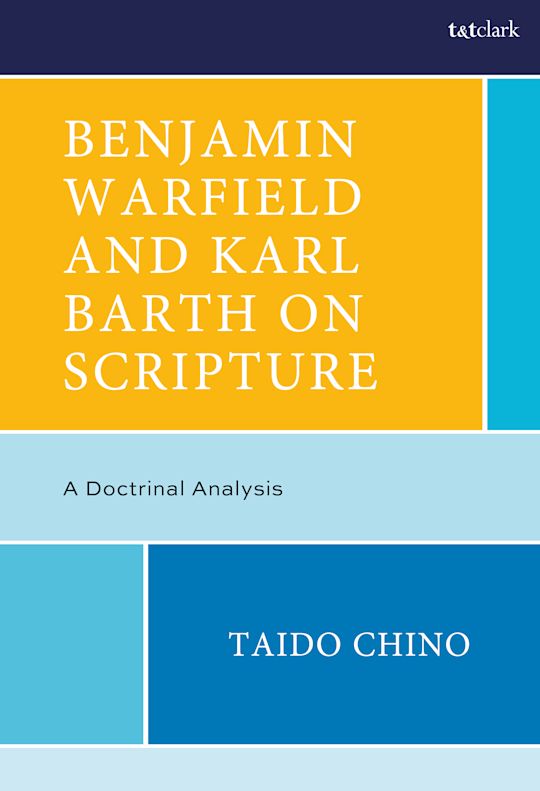
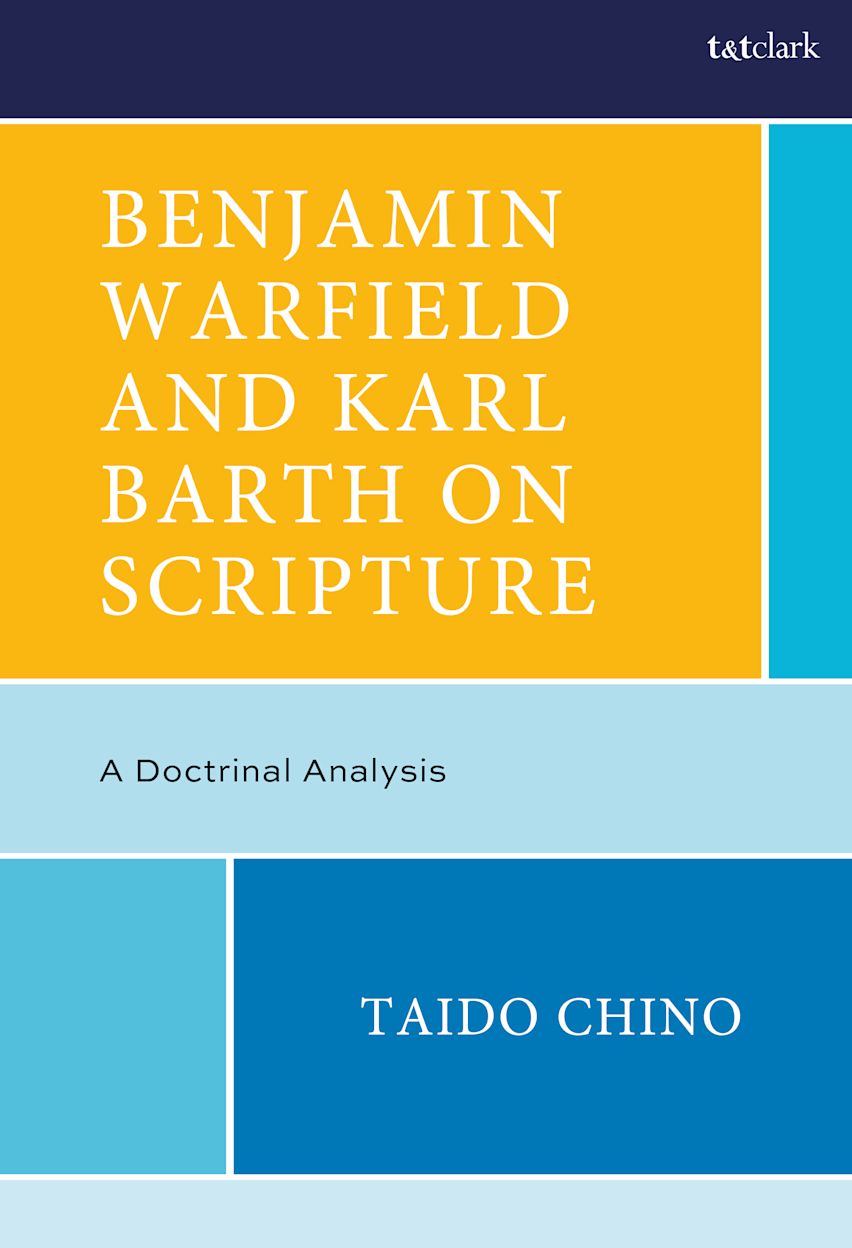
What do our conceptions of scripture reveal about the nature of God and revelation? Taido Chino compares Benjamin Warfield and Karl Barth' conceptions of scripture and divine inspiration.
This book considers what foundational theologians Benjamin Breckenridge Warfield (1851-1921) and Karl Barth (1886-1968) meant in affirming the Christian scriptures as the Word of God. Through this study, Chino crafts a systematic theology which considers how theologies of scripture are formed when varying commitments regarding the content and means of revelation are taken into account.
Chino clarifies the tensions between Warfield and Barth's shared formal commitment to scripture and negotiates the material differences in their articulation of scripture's significance. By placing these two theologians' differing approaches to the doctrine of scripture in conversation, this book reveals how situating scripture in connection to the Spirit or the Son profoundly shapes how believers understand the Bible's role within the revelatory economy. As a result, this book raises wide-ranging questions about the nature of revelation and the God-world relation.
Table of Contents
List of Abbreviations
Introduction
1: Receiving the Reformed Tradition
2: Early Doctrines of Scripture
3: Resurrection and the Bible
4: Doctrinal Developments
Conclusion
Bibliography
Product details
| Published | May 13 2027 |
|---|---|
| Format | Hardback |
| Edition | 1st |
| Pages | 240 |
| ISBN | 9781978704565 |
| Imprint | T&T Clark |
| Dimensions | 229 x 152 mm |
| Publisher | Bloomsbury Publishing |
Reviews
Related Titles