Curating Transatlantic Slavery
Contesting Histories and Practices in the Museum
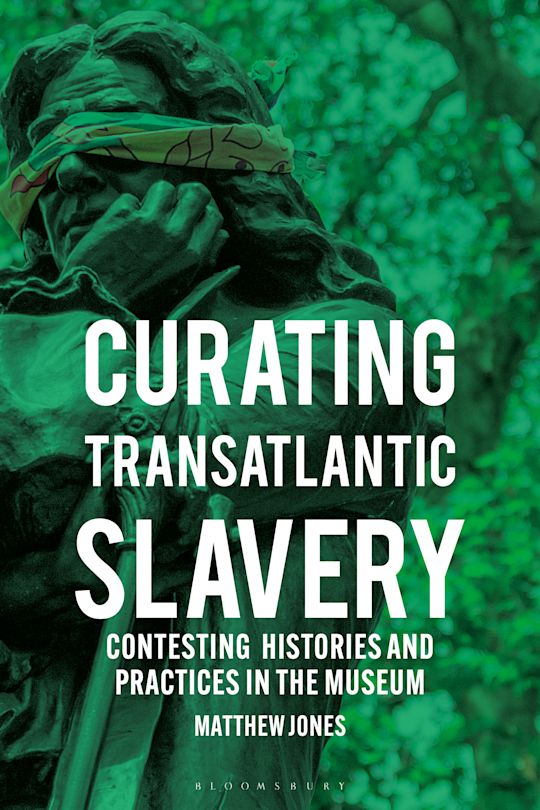

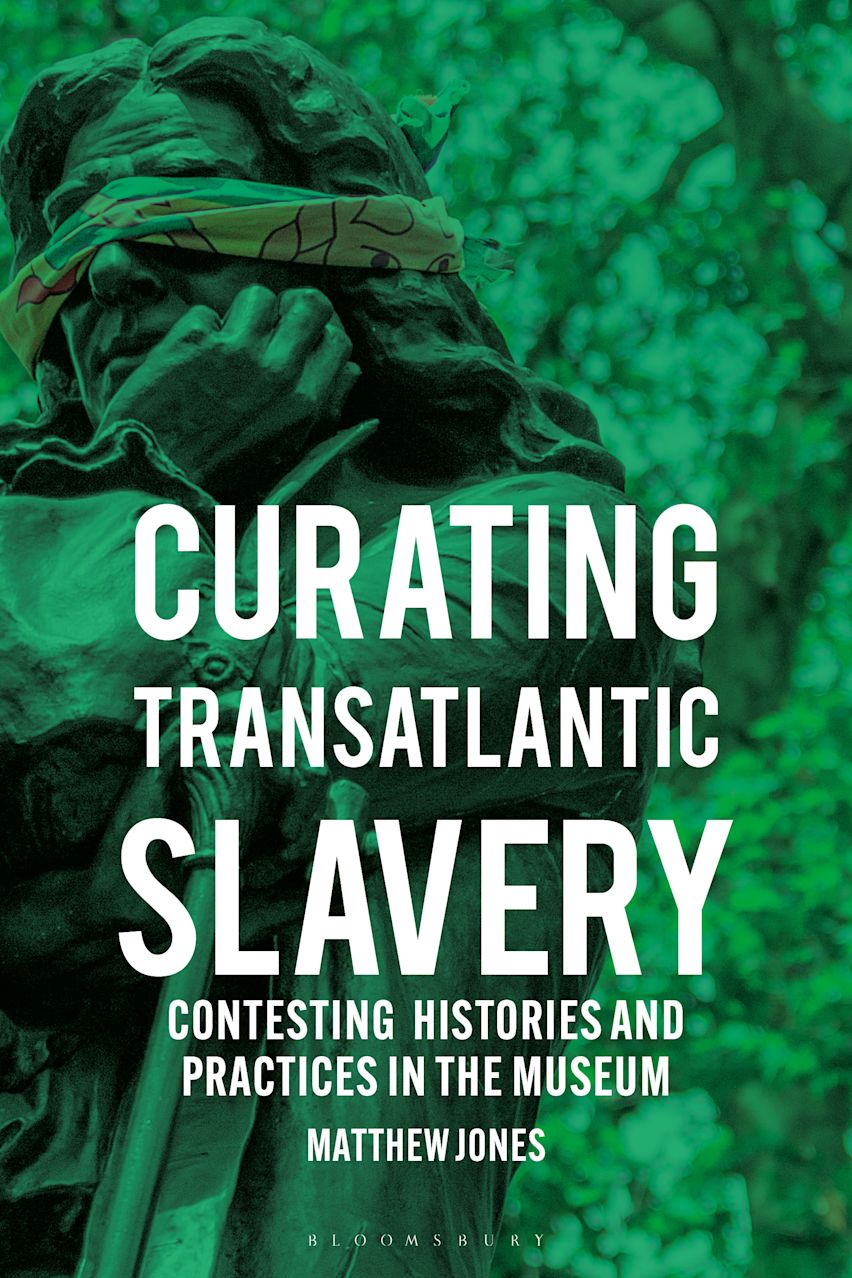
Curating Transatlantic Slavery
Contesting Histories and Practices in the Museum
- Delivery and returns info
-
Free CA delivery on orders $40 or over
Description
Following the watershed Black Lives Matter protests in 2020, and the wider public awareness of the legacies of the British Empire that has followed, how have museums developed anti-racist and decolonial practices that engage more directly with slavery's ongoing legacies?
Curating Transatlantic Slavery presents a timely intervention into this important work, examining the curating and decision-making processes that underpin the memorialization and display of Transatlantic Slave Trade histories. Questioning how contemporary curatorial practice has been shaped by wider processes of race and racialization, and how it can engage further with these issues, Matthew Jones argues that museums must be self-reflective: scrutinizing the ways in which they racialize those they collaborate with, be that artists or communities, and how their own histories are linked with historical structures of racialization.
Each chapter focuses on a distinctive aspect of contemporary museum practice in relation to colonial history and race, covering the varying approaches of museums in the UK and Europe. Museums discussed include the: Tropenmuseum in the Netherlands, Royal Museum for Central Africa in Belgium, and the Victoria & Albert Museum, British Museum, National Portrait Gallery, Bristol Museums and National Maritime Museum, all in the UK. Driven by comparative analysis, the chapters are grouped under the following themes, representing the core issues related to engaging with the Transatlantic Slave Trade and colonial histories on a curatorial basis: institutional history and memory; collaborative curatorial practice with communities, artists and academics; affect and the communication of trauma; and finally the impact of contemporary anti-racist movements on the displaying of slavery and anti-slavery resistance.
In deconstructing these processes and histories in modern museum practice, Curating Transatlantic Slavery challenges the role of museums across the world, in the formation of racial representations and provides alternative paths towards instituting anti-racist practices.
Table of Contents
Introduction: Challenging History in the Contact Zone
Chapter 1: Institutional Memory and Slavery
1.1 Victoria and Albert Museum: Art, Design and Slavery
1.2 The British Museum: Racial Capitalism and the Universal Museum
Chapter 2: National Museums and Slavery
2.1 The National Portrait Gallery: Placing the Caribbean in white British History
2.2 Memory, Geography and Race in the Portrait Gallery
2.3: AfricaMuseum: Civilising Colonialism
Chapter 3: Collaborative Curating and Race
3.1 The National Maritime Museum: Questioning Practice
3.2 Bristol Museums: Frameworks of Collaboration
3.3 Representation, Racialisation, and Collaboration
Chapter 4: Challenging Racecraft
4.1 London Museum Docklands and the Economics of Whiteness
4.2 Tropenmuseum: Whiteness, Nation and Neutrality
4.3 Subverting Racecraft
Chapter 5: Bearing Witness: Emotion and Trauma in the International Slavery Museum
5.1 The ISM and Memorialisation in 2007
5.2 The ISM Since 2007: History and Social Justice
5.3 The ISM and Affective Autonomy within Wider Museum Practice
Chapter 6: Whiteness, Abolitionism and Affect
6.1 The Wilberforce House Museum
6.2: The Legacies of Transatlantic Slavery at the Wilberforce House Museum
6.3: Whiteness and Affect
Chapter 7: Collecting Anti-Racism
7.1 Protests and Rapid Response Collecting
7.2 The Politics of Articulating Black Lives Matter
7.3 All Voices Will Be Heard: the Consultative Exhibition
7.4 The Permanent Exhibition: Who Narrates Protest?
Conclusion: A Way Forward?
Index
Product details
| Published | Oct 15 2026 |
|---|---|
| Format | Hardback |
| Edition | 1st |
| Pages | 192 |
| ISBN | 9781350444119 |
| Imprint | Bloomsbury Visual Arts |
| Illustrations | 20 bw illus |
| Dimensions | 234 x 156 mm |
| Publisher | Bloomsbury Publishing |

ONLINE RESOURCES
Bloomsbury Collections
This book is available on Bloomsbury Collections where your library has access.
Related Titles