
This product is usually dispatched within 3 days
- Delivery and returns info
-
Free CA delivery on orders $40 or over
Description
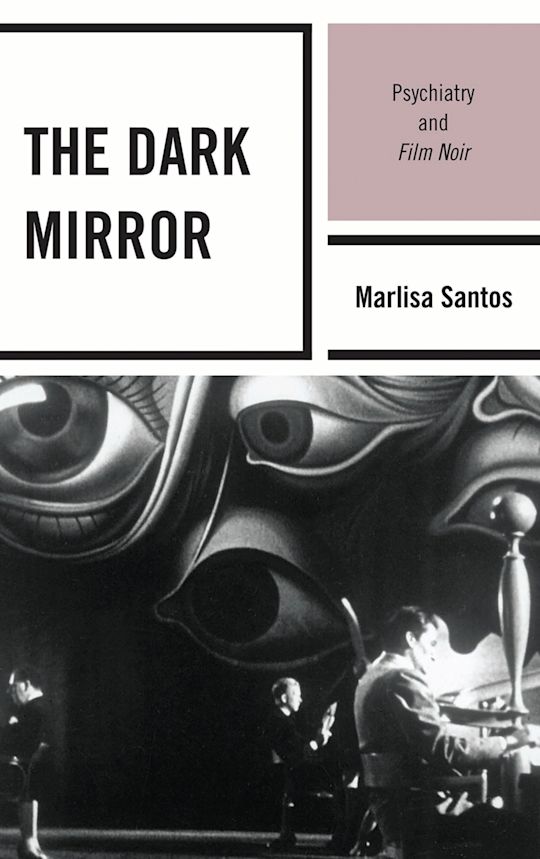
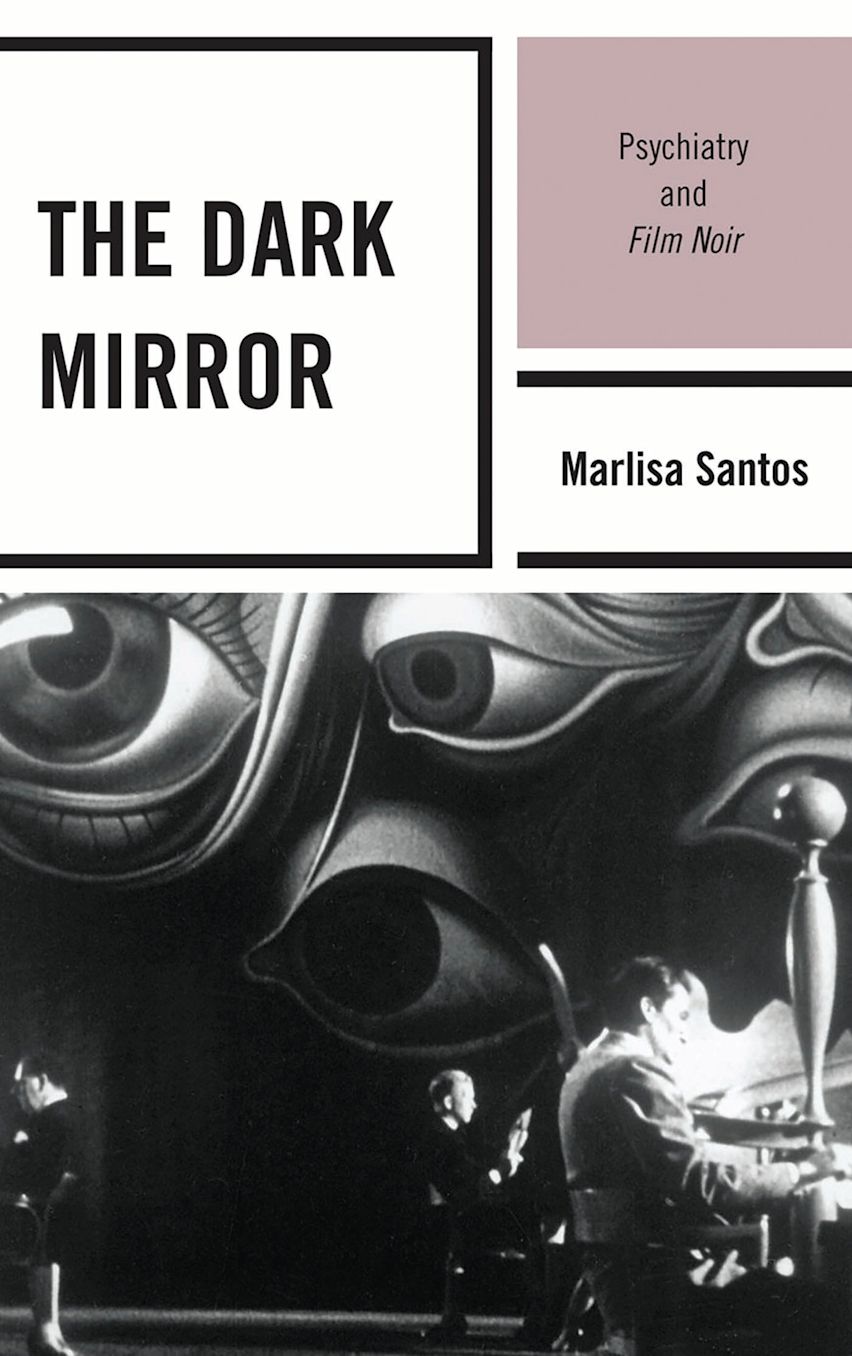
The Dark Mirror: Psychiatry and Film Noir probes the meanings behind the depiction of psychiatry and psychological illness in film noir, and how these depictions contribute to an overall understanding about the noir cycle itself. In this study, Marlisa Santos examines the role that the popularization of psychoanalysis in the 1940s and 1950s, beginning with the use of psychoanalytic techniques to treat World War II soldiers, had on writers and filmmakers of noir. This popularization had a lasting effect on American culture, especially as ideas such as introspection and a morally neutral universe became status quo, and thereby became reflected in the noir series. The films analyzed in this study reveal a distillation of such ideas, a bringing to the surface concerns and fears regarding the contradictory, yet thrilling nature of psychoanalysis: the ability of a "science of the mind" to eliminate the mysteries of the human psyche and the simultaneous nature of this science to expose the fundamental unknowability of the human psyche. Indeed, Santos argues that noir itself might not have existed without the introduction of psychoanalysis into American culture.
Table of Contents
Chapter 2 Chapter 1. Noir Psychiatrists: The Good, the Bad and the Bogus
Chapter 3 Chapter 2. Noir Asylums and Treatments
Chapter 4 Chapter 3. Noir Amnesia
Chapter 5 Chapter 4. Noir Neuroses and Psychoses
Chapter 6 Chapter 5, The "Gaslight" Phenomenon: Inducing Insanity in Noir
Product details
| Published | Apr 08 2011 |
|---|---|
| Format | Paperback |
| Edition | 1st |
| Pages | 204 |
| ISBN | 9780739136669 |
| Imprint | Lexington Books |
| Dimensions | 231 x 155 mm |
| Publisher | Bloomsbury Publishing |
Reviews

ONLINE RESOURCES
Bloomsbury Collections
This book is available on Bloomsbury Collections where your library has access.
Related Titles