
Buying pre-order items
Ebooks and Audiobook
You will receive an email with a download link for the ebook or audiobook on the publication date.
Payment
You will not be charged for pre-ordered books until they are available to be shipped. Pre-ordered ebooks will not be charged for until they are available for download.
Amending or cancelling your order
For orders that have not been shipped you can usually make changes to pre-orders up to 72 hours before the publishing date.
Payment for this pre-order will be taken when the item becomes available
Description
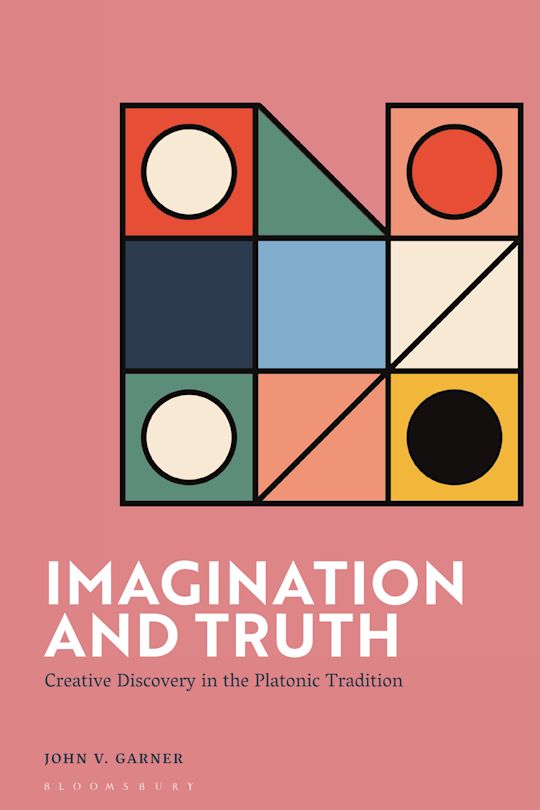
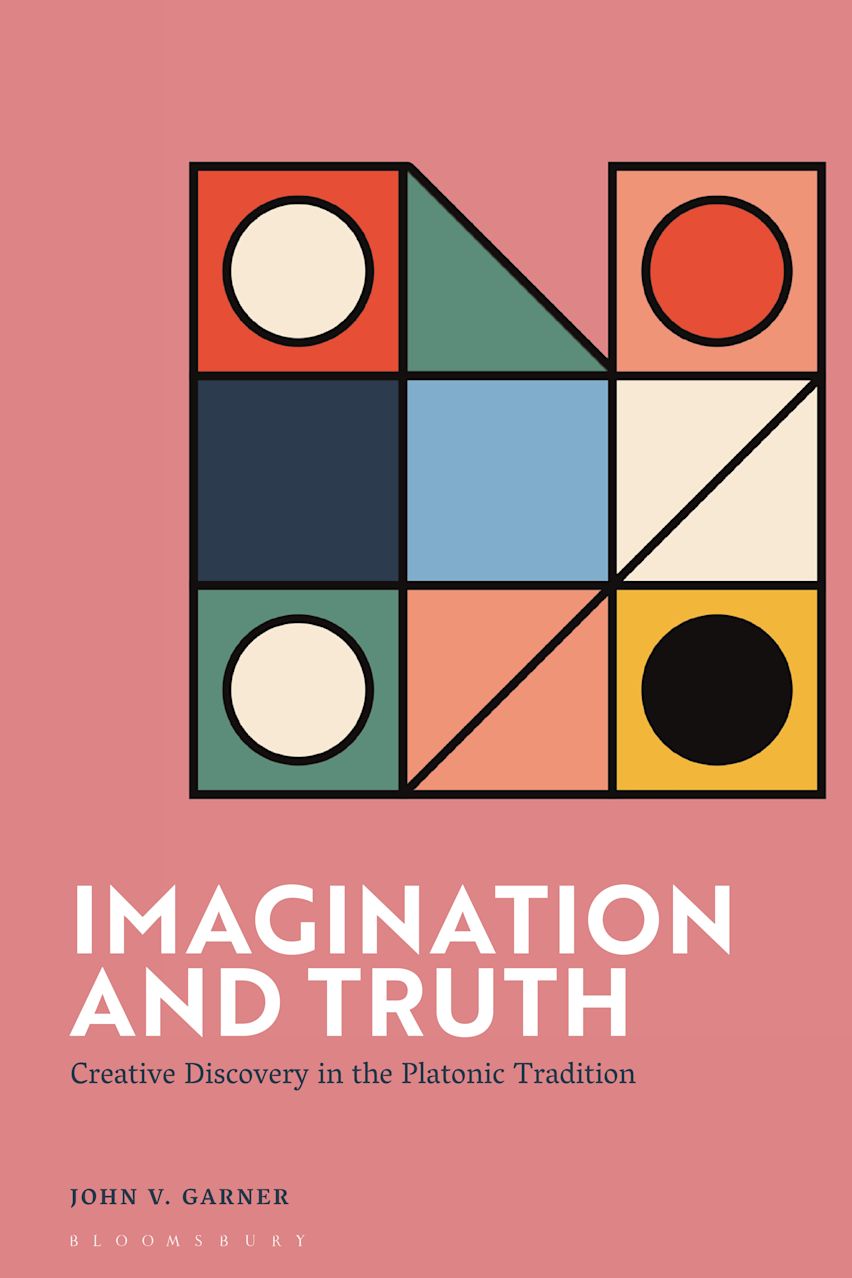
In dialogue with contemporary continental and Anglo-American philosophers, John V. Garner explores the ancient idea that imagination plays a fundamental role in the expression of reality.
Inspired in particular by Plato, Aristotle, Proclus, and Islamic Neoplatonism, this book argues that, far from merely a personal projection by the psyche, the act of imagining can also be a mode of creative discovery.
Examining the basic principles of this ancient understanding of imagination in the first chapter on Proclus, Garner then proceeds to test and redevelop the concept through engagements with seminal thinkers including Susanne K. Langer, Paul Ricoeur, Cornelius Castoriadis, Henry Corbin, Amy Kind, and others. Building a more nuanced picture of disclosive imagination, he analyzes such views as Langer's, on imagination's role in uncovering structures of everyday experience that transcend language, as well as significant debates surrounding poetic and scientific imagination in the works of Ricoeur, Castoriadis, and Corbin.
But what does this mean for creativity today? Far beyond a history of imagination, Imagination and Truth suggests several significant, practical consequences. For one, it allows for a fresh understanding of global traditions, cultures, and the arts as creating and disclosing truths we can learn from. Furthermore, it concludes with an urgent call for genuine public spaces – from public deliberative zones to educational spaces – which are crucial for enabling society to collectively discern and engage with the truths that imagination discloses.
Accessibility Information
Additional accessibility information
- EPUB 3.0
- Conforms with the requirements of EPUB Accessibility Spec v1.1
- WCAG level AA
- WCAG v2.2 compliant
- accessibility@bloomsbury.com
Hazards
The publication contains no hazards
Support for non-visual reading
- No accessibility features offered by the reading system, device or reading software are disabled or otherwise unusable with the product
- Has alternative text descriptions for images
Visual adjustments
Appearance of the text and page layout can be modified according to the capabilities of the reading system (font family and size, spaces, as well as color of background and text)
Navigation
- Page list to go to pages from the print source version
- Elements such as headings, tables, etc for structured navigation
- All or substantially all textual matter is arranged in a single logical reading order
- Content is enhanced with ARIA roles to optimize organization and facilitate navigation
- Purposes of all links are made clear
Rich content
Language tagging provided
Table of Contents
Introduction
Part I – Disclosive Imagination
1. Disclosive Imagination in Proclus
Part II – Dialogues
2. Langer and the Elements of Imaginative Presentation
3. Castoriadis on Imagination, Autonomy, and Truth
4. Imaginal Reality and Immanent Transformation
Conclusion
Bibliography
Index
Product details

| Published | Nov 12 2026 |
|---|---|
| Format | Ebook (Epub & Mobi) |
| Edition | 1st |
| Pages | 248 |
| ISBN | 9781350543089 |
| Imprint | Bloomsbury Academic |
| Publisher | Bloomsbury Publishing |
Reviews
Related Titles