Islamophobia in Post-9/11 New York City
The Spatialization of American Muslim Identity
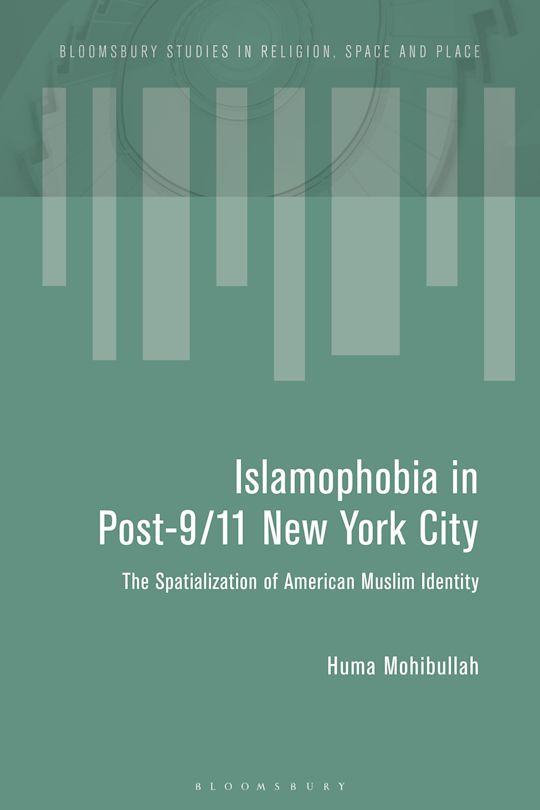

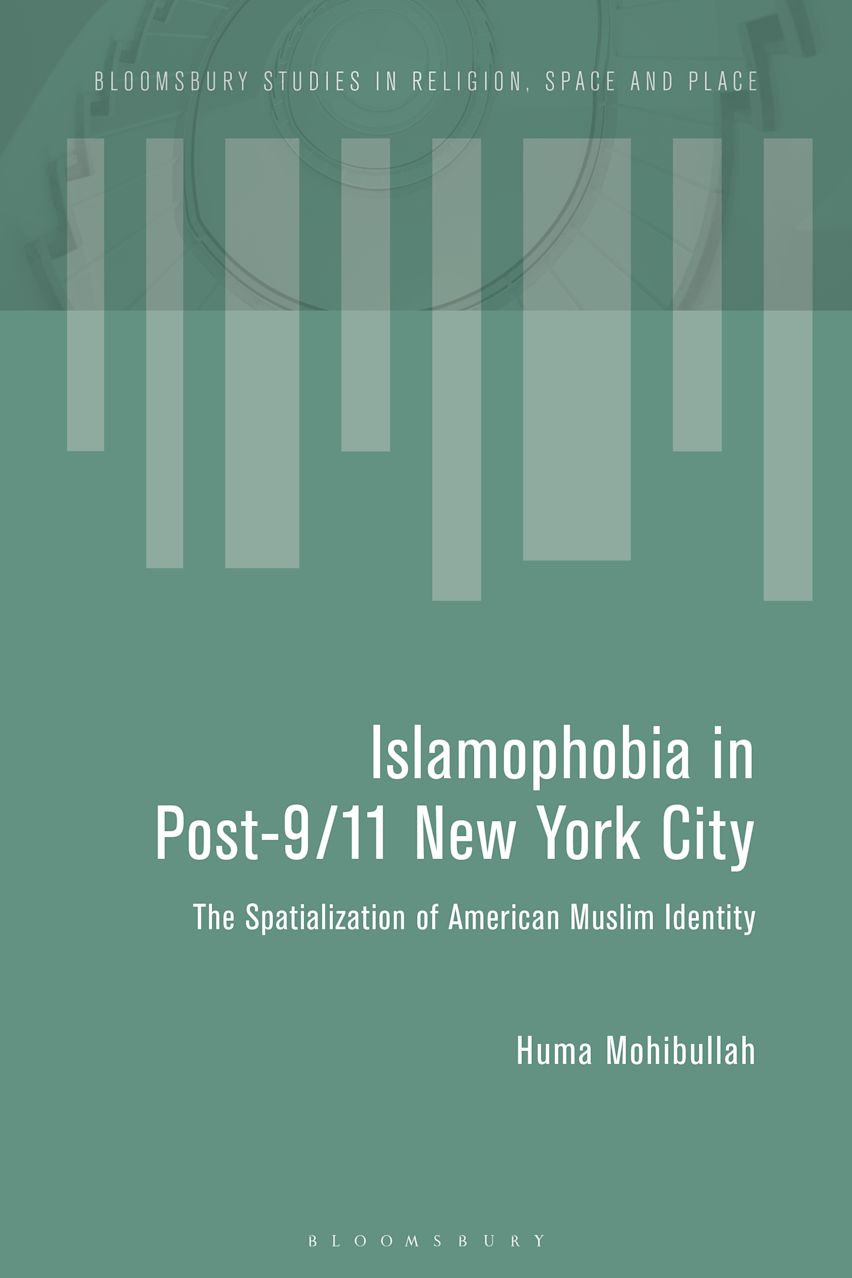
Islamophobia in Post-9/11 New York City
The Spatialization of American Muslim Identity
Buying pre-order items
Ebooks and Audiobook
You will receive an email with a download link for the ebook or audiobook on the publication date.
Payment
You will not be charged for pre-ordered books until they are available to be shipped. Pre-ordered ebooks will not be charged for until they are available for download.
Amending or cancelling your order
For orders that have not been shipped you can usually make changes to pre-orders up to 72 hours before the publishing date.
Payment for this pre-order will be taken when the item becomes available
- Delivery and returns info
-
Free CA delivery on orders $40 or over
Description
Focusing on places and Muslim communities in New York City, this book shows that Islamophobia is a spatialized force that has shaped Muslim American identities after 9/11.
Based on extensive fieldwork conducted between 2011 and 2017, Huma Mohibullah's urban ethnography Islamophobia in Post-9/11 New York City tells the stories of Muslim New Yorkers to argue that Islamophobia is not merely a discursive phenomenon, but also a spatialized and affective one. Muslims experience and feel Islamophobia in their encounters with physical landscapes, and it impacts their identities, behaviors, and relationships to places. One effect of this internalized Islamophobia is widespread self-policing in Muslim American communities as their members try to prove that they are moderate and progressive Muslims, as well as good American citizens.
The book covers key controversies, including the planned development of the Islamic community center Park51, widely referred to as the “Ground Zero Mosque,” near the World Trade Center site in Lower Manhattan and the Islamophobia in the master narrative about 9/11 that is spatialized through the National September 11 Memorial & Museum. In addition, the book examines how Muslims experience Islamophobia in everyday spaces such as the city's neighborhoods, streets, and subway system, and how they have taken to building religious places that embody liberal democratic values in response. In this way, Mohibullah provides wide-ranging insights into how Muslim Americans experience and respond to Islamophobia in their engagement with places.
Table of Contents
2. The Emotional Geography of Islamophobia
3. On Hallowed Ground
4. Alienated at the World Trade Center
5. Ground Zero, Two Decades Later
Bibliography
Index
Product details

| Published | May 13 2027 |
|---|---|
| Format | Hardback |
| Edition | 1st |
| Pages | 192 |
| ISBN | 9781350605879 |
| Imprint | Bloomsbury Academic |
| Illustrations | 15 bw illus |
| Dimensions | 234 x 156 mm |
| Series | Bloomsbury Studies in Religion, Space and Place |
| Publisher | Bloomsbury Publishing |
Related Titles