
Buying pre-order items
Ebooks and Audiobook
You will receive an email with a download link for the ebook or audiobook on the publication date.
Payment
You will not be charged for pre-ordered books until they are available to be shipped. Pre-ordered ebooks will not be charged for until they are available for download.
Amending or cancelling your order
For orders that have not been shipped you can usually make changes to pre-orders up to 72 hours before the publishing date.
Payment for this pre-order will be taken when the item becomes available
Description
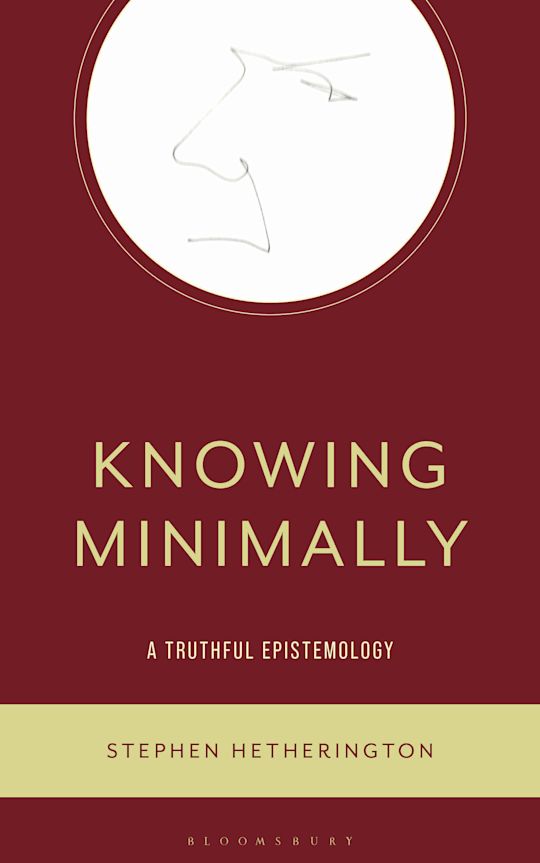
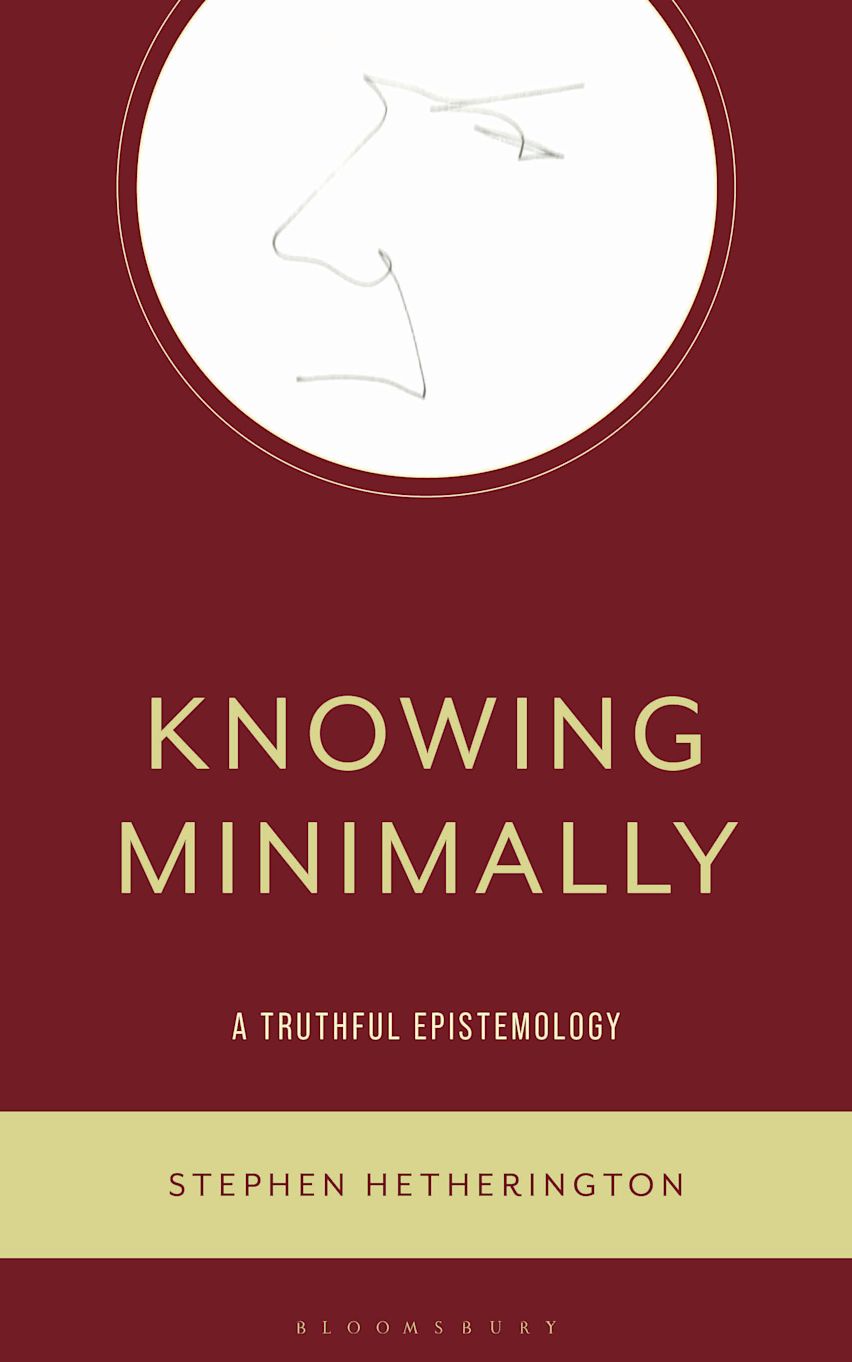
When philosophers insist that knowing is more than being correct, must you believe them? Not according to a minimalist picture of the nature of knowing: perhaps knowing is just being correct.
Western epistemology began with two of Plato's dialogues (Meno and Theaetetus) asking what knowledge is, and very few philosophers since have doubted Socrates' claim that there is more to knowing than merely being correct. And what might that 'more' be? The most traditional answer is that something like good evidence is what begins to mark the difference between knowing and merely being correct. This means that unless a belief is somehow being supported by good evidence, it is not knowledge, even if correct. Philosophers assure us that knowing is more of an achievement than merely being correct.
In practice, we often do want much more than truth when seeking knowledge. We often seek good evidence with which to defend a claim, showing that it is knowledge. We often seek good evidence with which to explain a claim, showing why it is knowledge. For these and other reasons, then, we might want even a true belief to be accompanied by good evidence. But do even those observations prove that knowing must include having good evidence? They do not: what typically allows or even helps one to defend or use some knowledge might not be inescapably needed as part of what is being defended or used.
This book presents a minimalism about knowledge's nature. It is a conceptual minimalism – describing the surprisingly small core of how we must conceive of knowing. And it is a metaphysical minimalism – describing the surprisingly small essence or underlying nature of knowing. The good news from knowledge-minimalism is that a path leads to knowledge simply by leading to truth; nothing else is needed.
Accessibility Information
Additional accessibility information
- EPUB 3.0
- Conforms with the requirements of EPUB Accessibility Spec v1.1
- WCAG level AA
- WCAG v2.2 compliant
- accessibility@bloomsbury.com
Hazards
The publication contains no hazards
Support for non-visual reading
- No accessibility features offered by the reading system, device or reading software are disabled or otherwise unusable with the product
- Has alternative text descriptions for images
Visual adjustments
Appearance of the text and page layout can be modified according to the capabilities of the reading system (font family and size, spaces, as well as color of background and text)
Navigation
- Page list to go to pages from the print source version
- Elements such as headings, tables, etc for structured navigation
- All or substantially all textual matter is arranged in a single logical reading order
- Content is enhanced with ARIA roles to optimize organization and facilitate navigation
- Purposes of all links are made clear
Rich content
Language tagging provided
Table of Contents
1 Knowledge as Augmented True Belief – Definitely
2 Knowledge as Augmented True Belief – Possibly Not?
3 Knowledge's Essence
4 Comparisons
References
Index
Product details

| Published | May 13 2027 |
|---|---|
| Format | Ebook (Epub & Mobi) |
| Edition | 1st |
| Pages | 208 |
| ISBN | 9798216385363 |
| Imprint | Bloomsbury Academic |
| Publisher | Bloomsbury Publishing |

Related Titles