Lal-Bal-Pal
New Nationalists and India’s Struggle for Freedom

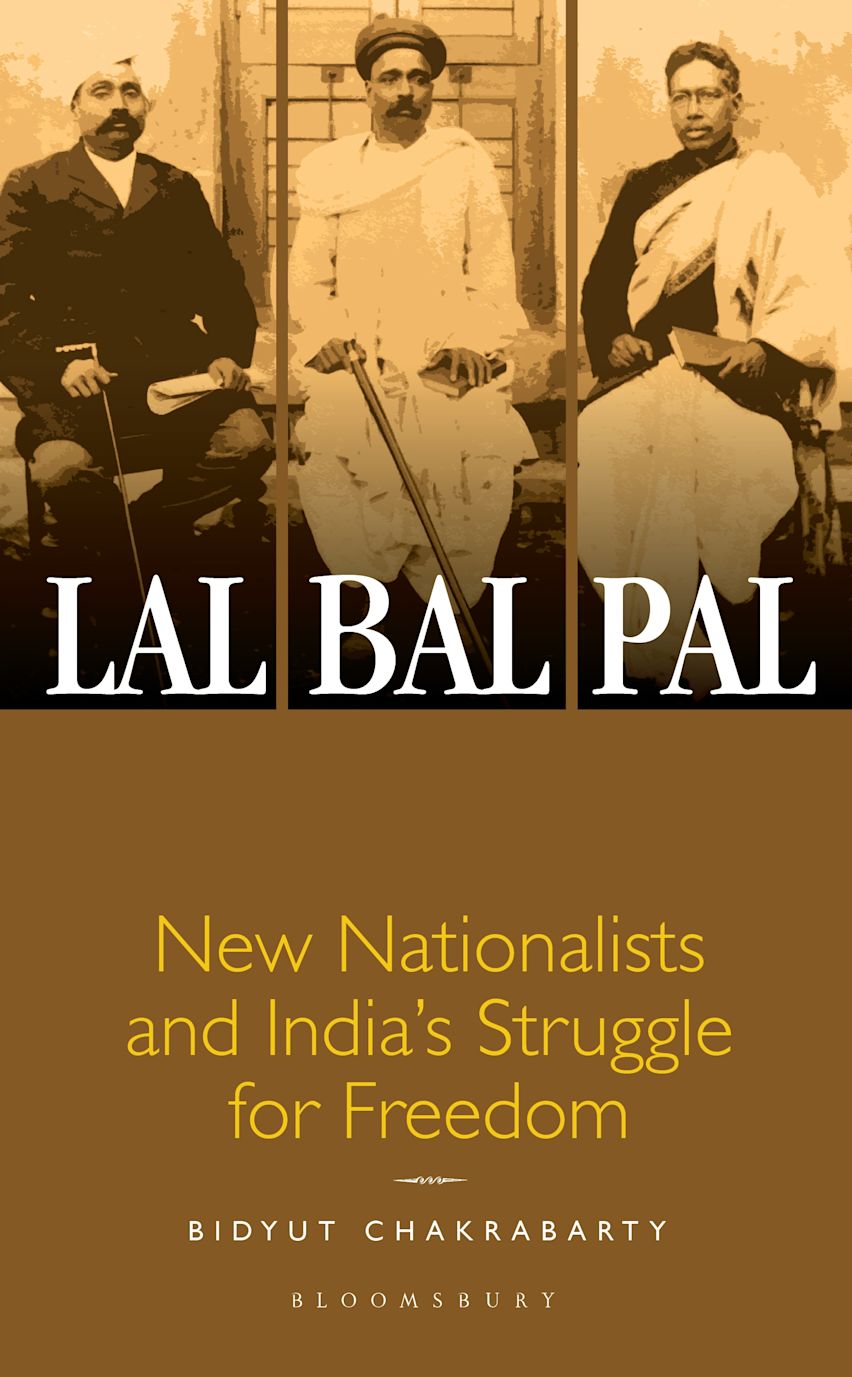
Lal-Bal-Pal
New Nationalists and India’s Struggle for Freedom
Buying pre-order items
Ebooks and Audiobook
You will receive an email with a download link for the ebook or audiobook on the publication date.
Payment
You will not be charged for pre-ordered books until they are available to be shipped. Pre-ordered ebooks will not be charged for until they are available for download.
Amending or cancelling your order
For orders that have not been shipped you can usually make changes to pre-orders up to 72 hours before the publishing date.
Payment for this pre-order will be taken when the item becomes available
- Delivery and returns info
-
Free CA delivery on orders $40 or over
Description
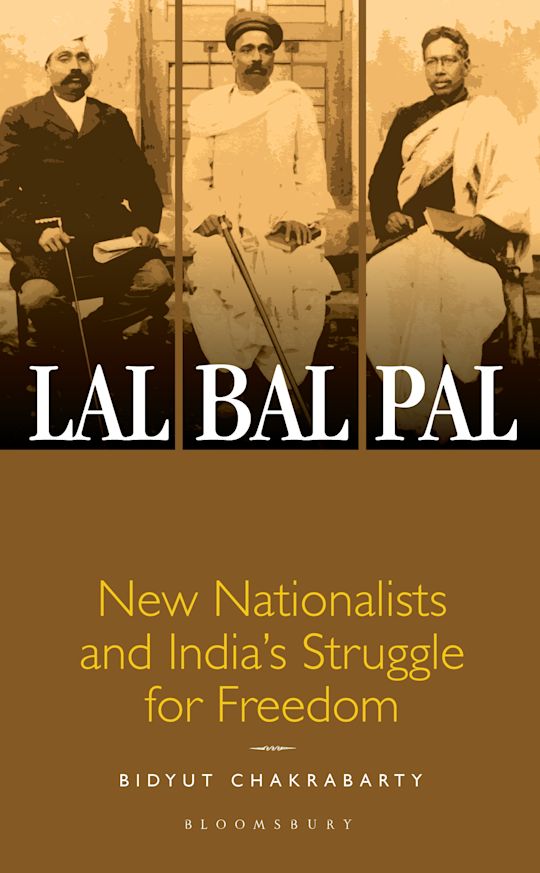
Lala Lajpat Rai, Bal Gangadhar Tilak, and Bipin Chandra Pal played a decisive role in reshaping Indian political thought in the early 20th Century and in deepening the struggle against colonial rule. This book examines their ideas as a part of a wider critique of an exploitative imperial order.
Lajpat Rai placed his faith in constitutional methods and saw self-government as the surest check on colonial power. Pal broadly shared this view, while also advocating peaceful resistance when constitutional means failed. Tilak, however, argued more forcefully for active resistance, drawing on the Bhagavad Gita and giving voice to the demand for swaraj. His use of public festivals such as Shivaji and Ganapati also helped carry nationalist politics into a wider public arena.
Together, their ideas and methods mark an important shift in the direction and character of India's freedom movement.
Table of Contents
Introduction
Part 1 Continuity of the nationalist attack in constitutional mould
1 Lajpat Rai's concerns for nationalizing India as a nation
2 Lajpat Rai's design of India as a nation
Part 2 Reemphasizing India's unique cultural roots and ethos: Tilak and Indian nationalism
3 Tilak's Gita Rahasya: a unique effort for linking the nationalist struggle with an eternal truth
4 Tilak's conceptual and organizational designs to translate his nationalist endeavour into practice
Part 3 Shifting of idioms for nationalist mobilization: Bipin Chandra Pal's preferences
5 Bipin Chandra Pal and his notion of nation
6 Bipin Chandra Pal's search for the soul of India
Conclusion
Notes
Bibliographical notes
Index
About the Author
Product details
| Published | Nov 30 2026 |
|---|---|
| Format | Hardback |
| Edition | 1st |
| Pages | 280 |
| ISBN | 9789369526727 |
| Imprint | Bloomsbury India |
| Dimensions | 216 x 135 mm |
| Publisher | Bloomsbury Publishing |

ONLINE RESOURCES
Bloomsbury Collections
This book is available on Bloomsbury Collections where your library has access.
Related Titles