The Law, Society, and Politics of Entertainment in Britain
Regulation or Self-Censorship?
- Open Access
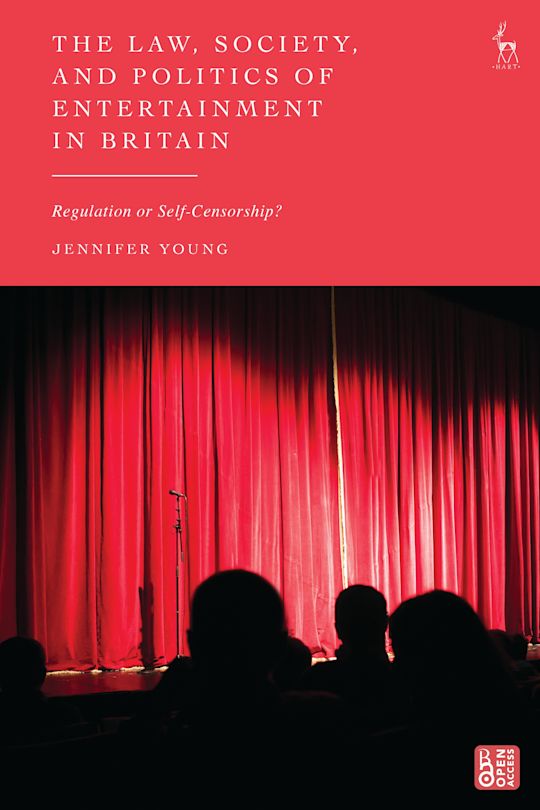

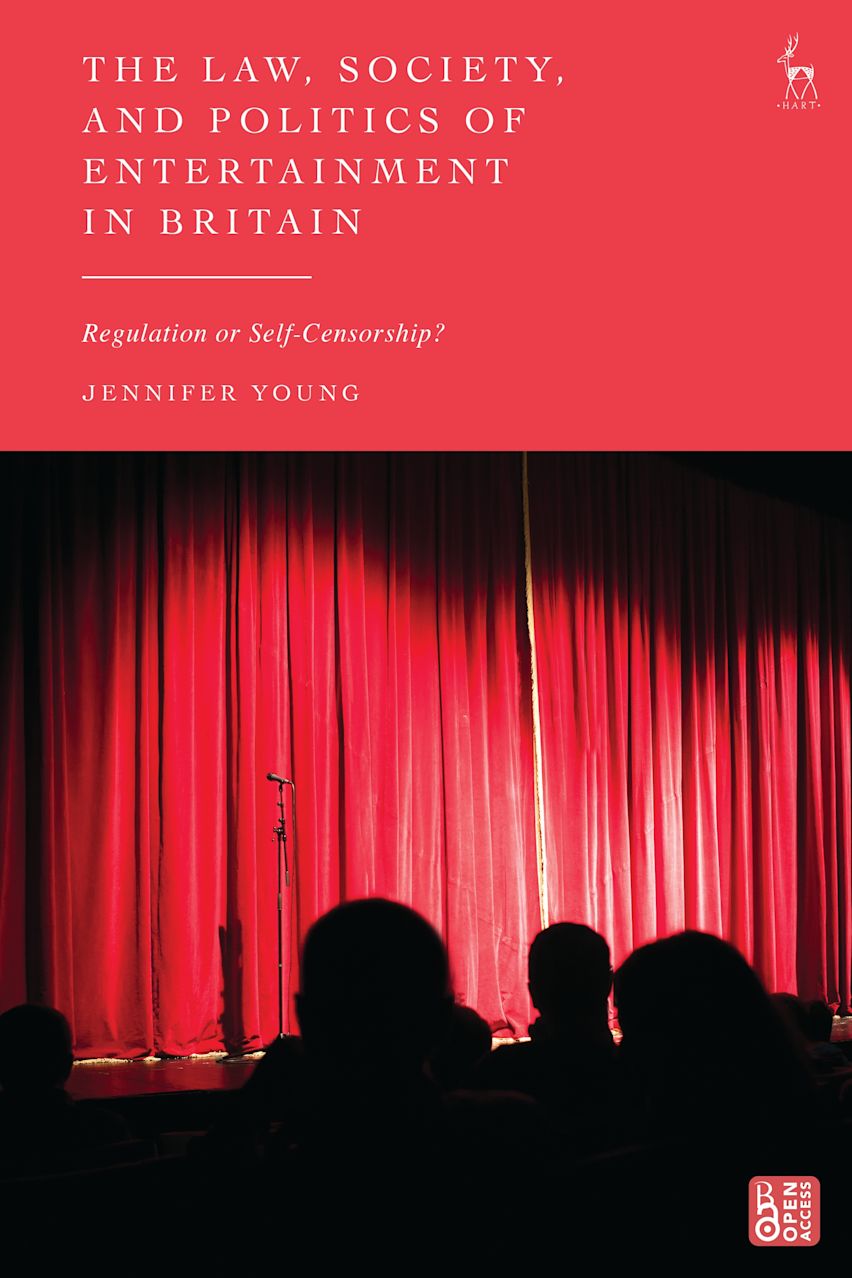
The Law, Society, and Politics of Entertainment in Britain
Regulation or Self-Censorship?
- Open Access
This product is usually dispatched within 1 week
- Delivery and returns info
-
Free CA delivery on orders $40 or over
Description
This open access book examines the rules shaping British political entertainment.
Satire is a powerful tool for exposing political hypocrisy. It can be offensive and provocative, sparking debates about the limits of freedom of expression and the harm in humour. The book focuses on broadcasting restrictions born from the quaintly named rules on taste and decency, and impartiality, assessing the potential damage to democracy when rules are misinterpreted. In examining the historical and legal context, it traces how regulatory frameworks have evolved and impacted on the creative industries.
Through interviews with industry professionals including comedians, writers, and executive producers, the book challenges the idea that regulation dictates editorial choices and creates a cancel culture. It reveals how broadcast practitioners decide the ethical and legal limits of offensive humour, and how the misinterpretation of the impartiality requirement can undermine satire's role. Performers and writers discuss how self-censorship, and social pressures influence what we see and hear in the media.
Much of British political satire has been "smoothed out” due to fears of offending audiences or because of a timid approach to programme making. This has left the audience unchallenged, uninformed, and politically disengaged. The book argues for a policy change to broadcast regulation. The impartiality requirement should be dropped for satire, and broadcasters should be more robust in defending their output.
This book is essential reading for policy makers, lawyers, and both media students and academics keen to understand the editorial process and the effect of 'cancel culture'.
The ebook editions of this book are available open access under a CC BY-NC-ND 4.0 licence on bloomsburycollections.com. Open access was funded by UKRI.
Table of Contents
2. Satire and the Law
3. Regulating and Repressing Information, Ideas and Entertainment
4. Politicians as Entertainment and Entertainers
5. The Groundwork for the Interviews
6. The interviews on Harm and Offence
7. The Interviews on Due Impartiality
8. Conclusion
Product details
| Published | Aug 20 2026 |
|---|---|
| Format | Hardback |
| Edition | 1st |
| Pages | 232 |
| ISBN | 9781509988662 |
| Imprint | Hart Publishing |
| Dimensions | 234 x 156 mm |
| Publisher | Bloomsbury Publishing |


OPEN ACCESS
Bloomsbury Open Access
Read and download this book free of charge from Bloomsbury Collections.
Related Titles