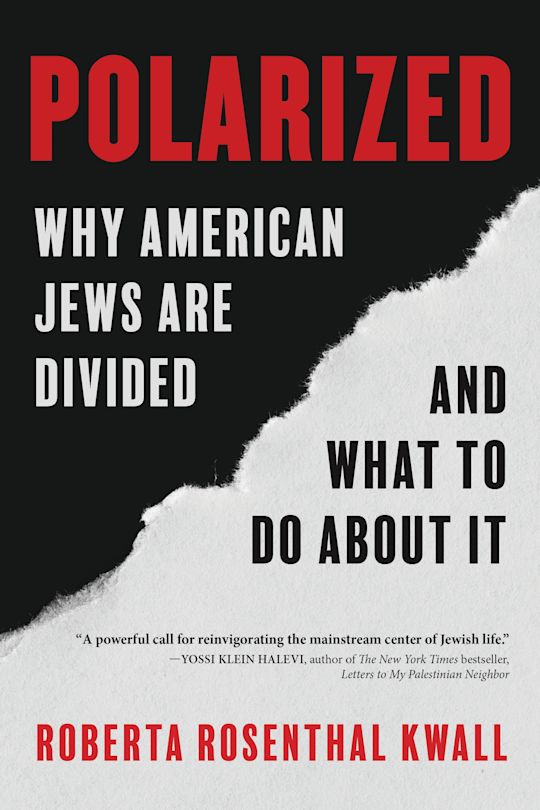
Polarized
Why American Jews are Divided and What to Do About it

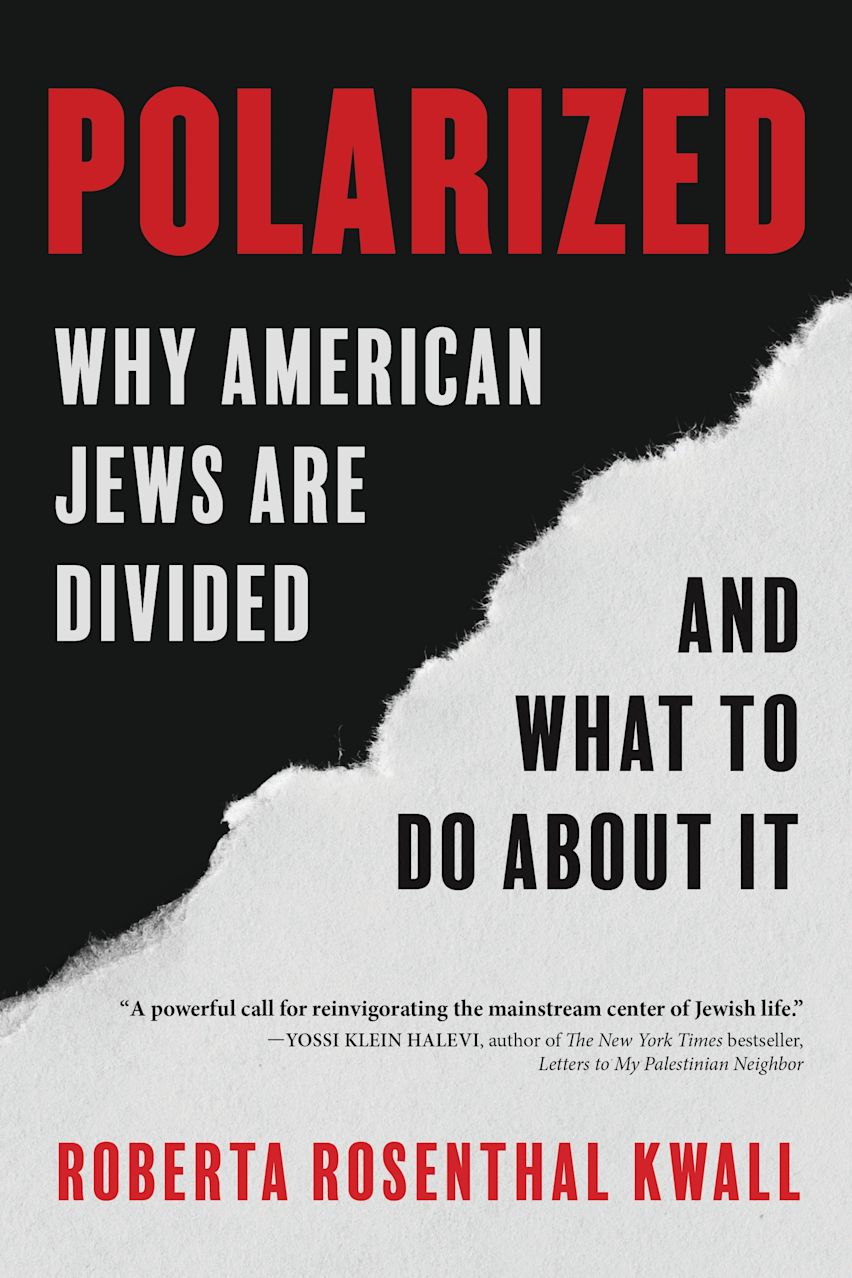
Polarized
Why American Jews are Divided and What to Do About it
For information on how we process your data, read our Privacy Policy
Description
Offers a multi-disciplinary examination of the major divides within the American Jewish community prior to, and in the wake of, the Israel-Hamas war and lays out a blueprint for how American Jewry can develop a much-needed, vocal center capable of productive discourse despite areas of disagreement.
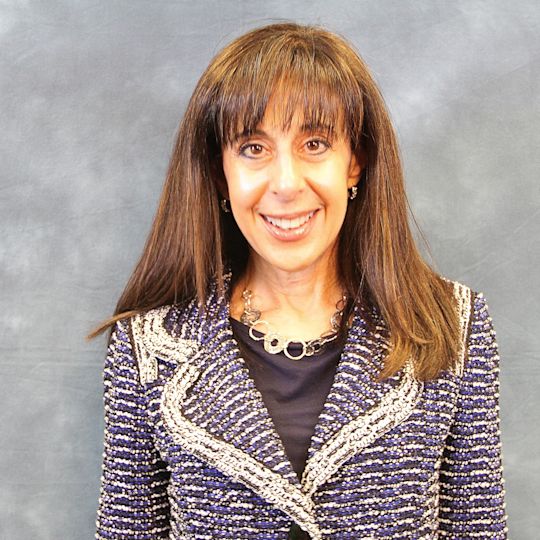
Not only has polarization long been recognized as one of the most pressing problems facing the American Jewish community but, in fact, American Jews are among the most divided communities in the United States, a fracture that has deepened dramatically in the wake of the October 7th terrorist attacks against Israel and the ensuing Israel-Hamas war. Drawing on insights from law, sociology, psychology, history, and Jewish tradition, Professor Roberta Kwall examines how these divisions developed, how they both reflect and differ from polarization in our broader society and, most importantly, how and why they pose an existential threat to American Jewish communal life. In tracing the evolution of internal Jewish divides over religious practice, Israel, and antisemitism, she makes clear that different groups of Jews, like all people, are shaped by distinct moral priorities, fears, and understandings of political issues, and she shows how generation gaps and campus culture have intensified these conflicts.
Fortunately, beyond diagnosing the divisions that plague the American Jewish community, Kwall offers a path forward for rebuilding a strong American Jewish center capable of sustaining disagreement without fragmentation. Guided by Jewish teachings on speech, disagreement, and moral responsibility, she proposes a consensus platform that can promote communal dialogue, institutional planning, and educational initiatives by prioritizing respectful discourse over ideological victory.
Table of Contents
Introduction
Part One: American Polarization and the Jews
1. America's Political and Religious Polarization Is not “Good for the Jews”
2. Liberal America and the Jews
3. Conservative America and the Jews
Part Two: Jewish Polarization: Growing Divides and Fears
4. Changes In Religious Divides
5. Growing Divides Surrounding Israel
6. Antisemitism Makes Jews a Polarizing People
Part Three: Future Directions For Strengthening The American Jewish Community And Beyond
7. Can American Social Institutions Reclaim Liberalism?
8. A Self-Help Blueprint for American Jews
Epilogue
Notes
Product details

| Published | Oct 01 2026 |
|---|---|
| Format | Hardback |
| Edition | 1st |
| Pages | 256 |
| ISBN | 9798881842505 |
| Imprint | Bloomsbury Academic |
| Dimensions | 229 x 152 mm |
| Publisher | Bloomsbury Publishing |
Reviews

ONLINE RESOURCES
Bloomsbury Collections
This book is available on Bloomsbury Collections where your library has access.
Related Titles