Pragmatism and the Postsecular
The Gift in American Philosophy, Religion, and Literature
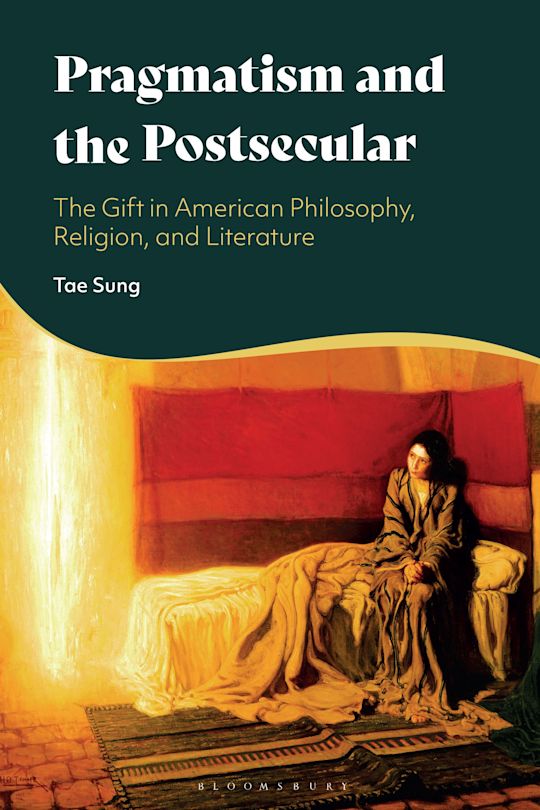

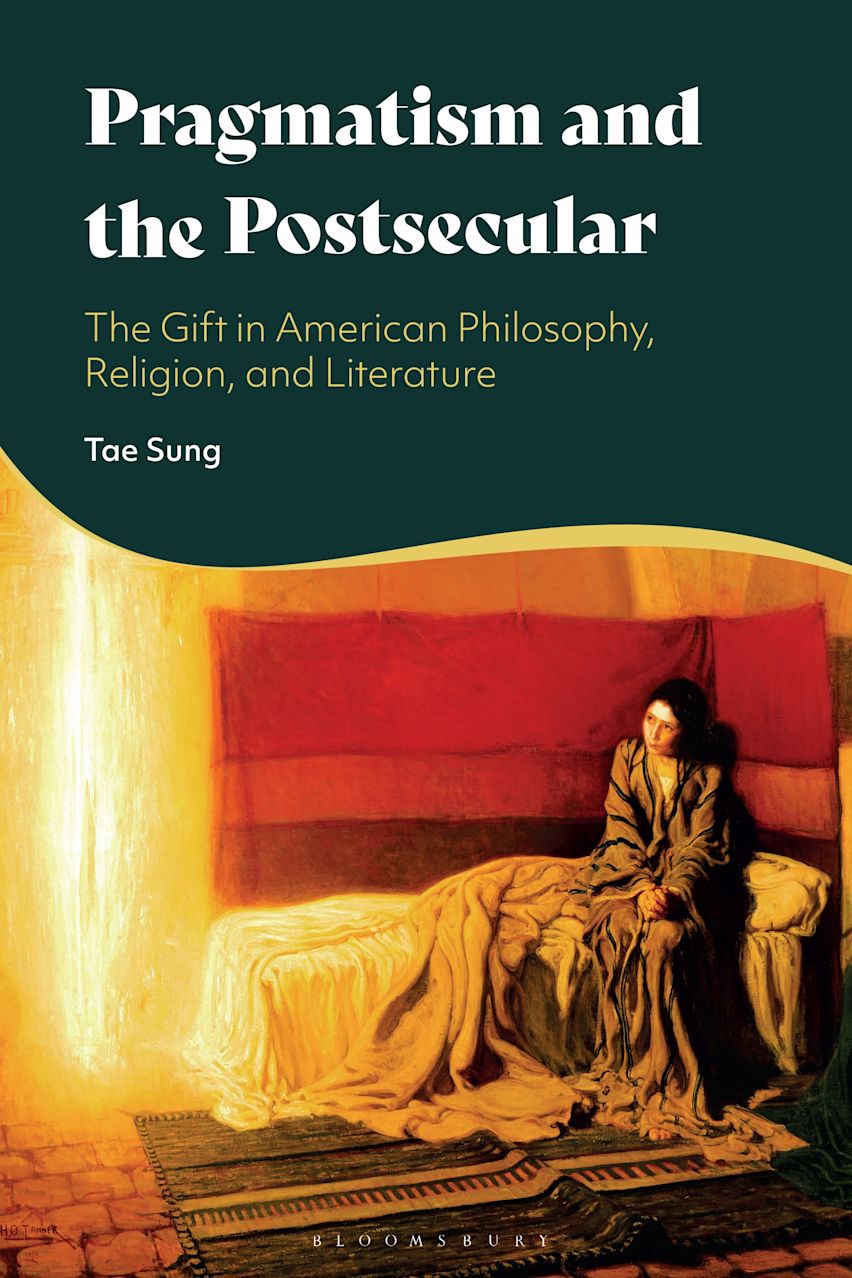
Pragmatism and the Postsecular
The Gift in American Philosophy, Religion, and Literature
Buying pre-order items
Ebooks and Audiobook
You will receive an email with a download link for the ebook or audiobook on the publication date.
Payment
You will not be charged for pre-ordered books until they are available to be shipped. Pre-ordered ebooks will not be charged for until they are available for download.
Amending or cancelling your order
For orders that have not been shipped you can usually make changes to pre-orders up to 72 hours before the publishing date.
Payment for this pre-order will be taken when the item becomes available
- Delivery and returns info
-
Free CA delivery on orders $40 or over
Description
Offering a postsecular reading of Ralph Waldo Emerson and William James, Pragmatism and the Postsecular contributes to an interdisciplinary discourse about gift theories across literary, religious, and philosophical studies.
In this study the focus is on Emerson and James' religious language of gifts. We see how they interpret the reception of gifts as dynamic sources of agency, inspiration, and empowerment-the kinds of moral sources that Charles Taylor worries might be increasingly unavailable in our secular age. Tae Sung applies a similar non-economic reading of dynamic gifts to American writers including Herman Melville, Ralph Ellison, Marilynne Robinson, and Min Jin Lee. His approach reframes related debates around religious ethics (after Derrida and John Milbank) and multicultural politics (after Richard Rorty and Taylor).
Aimed at readers interested in the complex relationship between the religious and secular in the US, Sung's reading of pragmatism challenges us to reconsider how we understand gifts. The goal of such a reconsideration is to locate common ethical and political ground between secular liberalism and religious traditionalism.
Table of Contents
Introduction. What Have Pragmatism and Religion To Do with Literature?
Chapter 1. “A Gospel of Power”:
The Gift in Pragmatism and the Postsecular
Chapter 2. “A Golden Impossibility”:
The Rhetoric of Dynamic Gifts in Ralph Waldo Emerson
Chapter 3. The Flow of Dynamic Gifts in Herman Melville and Marilynne Robinson:
Religious Ethics after Jacques Derrida and John Milbank
Chapter 4. “A New Sphere of Power”:
The Hermeneutics of Dynamic Gifts in William James
Chapter 5. The Direction of Dynamic Gifts in Ralph Ellison and Min Jin Lee:
Identity Politics after Richard Rorty and Charles Taylor
Bibliography
Notes
Index
Product details

| Published | Nov 26 2026 |
|---|---|
| Format | Hardback |
| Edition | 1st |
| Pages | 208 |
| ISBN | 9781350572966 |
| Imprint | Bloomsbury Academic |
| Dimensions | 234 x 156 mm |
| Publisher | Bloomsbury Publishing |

Reviews
Related Titles