The Role of Genre in the Literary Depiction of Leadership Values in Antiquity
A Leader of Many Genres
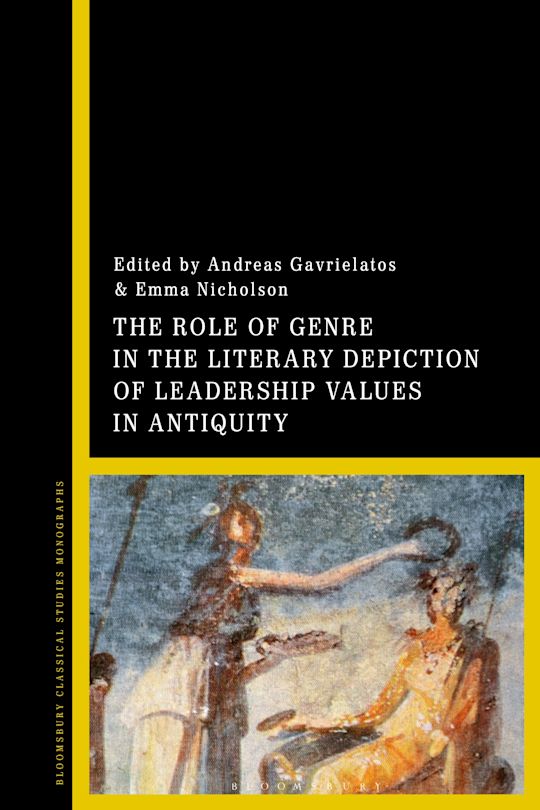

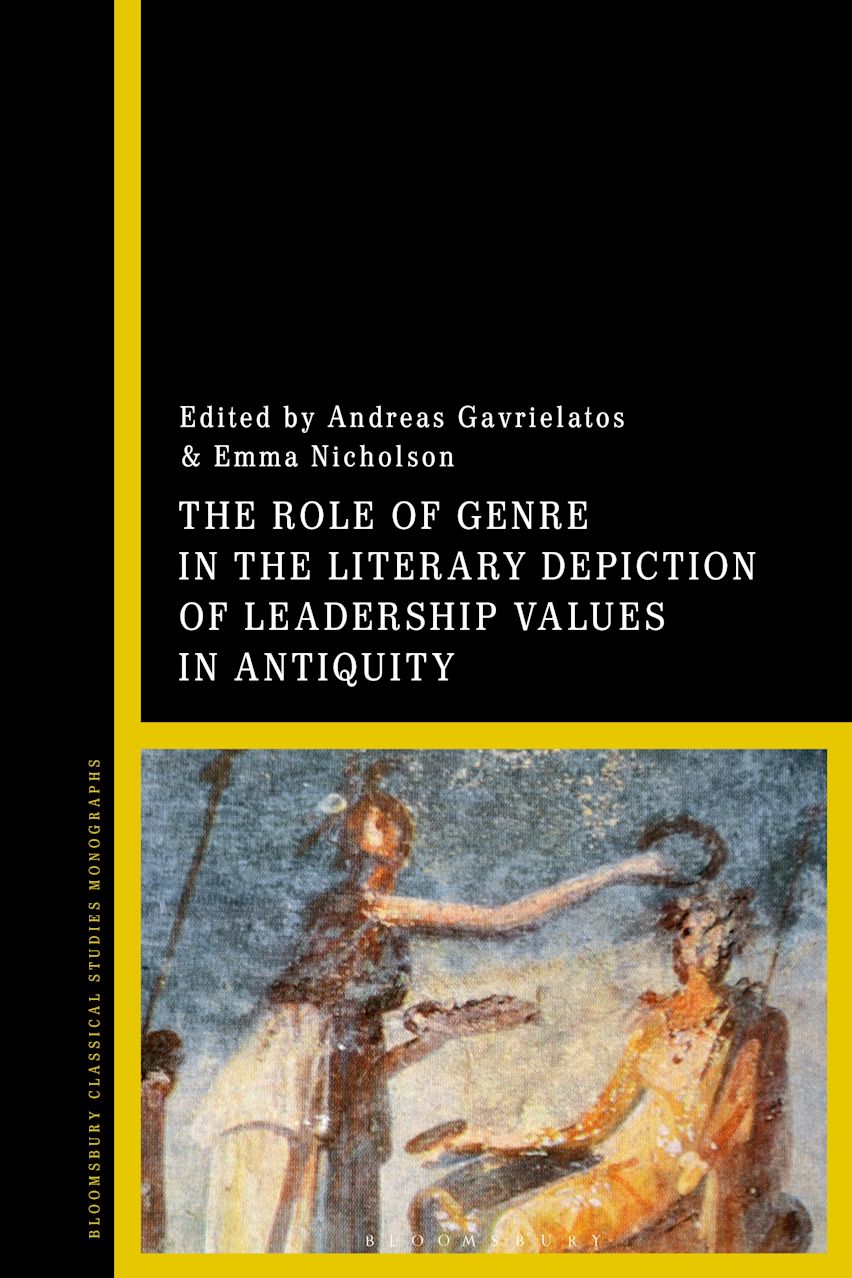
The Role of Genre in the Literary Depiction of Leadership Values in Antiquity
A Leader of Many Genres
Buying pre-order items
Ebooks and Audiobook
You will receive an email with a download link for the ebook or audiobook on the publication date.
Payment
You will not be charged for pre-ordered books until they are available to be shipped. Pre-ordered ebooks will not be charged for until they are available for download.
Amending or cancelling your order
For orders that have not been shipped you can usually make changes to pre-orders up to 72 hours before the publishing date.
Payment for this pre-order will be taken when the item becomes available
- Delivery and returns info
-
Free CA delivery on orders $40 or over
Description
This edited volume explores the presentation of leadership values in antiquity and the interaction between different literary genres, authors and texts. Covering the Greek and Roman literature from the fourth century BCE to the fourth century CE, the contributors examine how different ancient texts represent the characteristics of an ideal leader. For example, an historian such as Polybius was influenced by Platonic and Aristotelian political philosophy, while a poet like Lucan was influenced by the historical work of Caesar. The representation of leaders in these works offers a lens for understanding how different genres interact in shaping their values.
Alongside intertextual relationships, this fruitful dialogue also reveals aspects of the conceptualization of leadership and the ideals a leader needs to aspire to in different temporal and literary contexts, sometimes even contradicting each other. In this way, Literary Genre and Leadership Values in Antiquity offers a study of leadership values in the portrayals of individuals across a range of literary genres and periods. Each chapter of this book addresses the values that define good leadership in the ancient world and their relevance to the modern world, thus stressing the complexity of the characterisation of the perfect leader in antiquity.
Table of Contents
Part 1: Leadership Within and Between Genres
1. Agamemnon and Menelaus as Generals in Sophocles and Euripides: Epic Characters and Contemporary Concerns, Theodore Hill
2. The clementia of Augustus in Horace and Ovid: The role of genre and intertextuality in the representation of a leadership value, Bénédicte Delignon
3. Recontextualizing Leadership: History & Biography in Polybius' Histories, Emma Nicholson
4. Dio of Prusa, Plutarch and the Paradigmatic Value of Epaminondas as a Flexible Model of Leadership, Thierry Openeer
Part 2: Philosophical Models of Leadership
5. Following Diogenes: Cynic Leadership in Plutarch, Inger Kuin
6. Caesar as light-bringer: Exploring Lucan's use of Lucretius' philosophical leader, Liam Preston
7. The Leader as Doctor: Healing the city in Dio's Oration 32, Raphaëla Dubreuil
Part 3: Performing Leadership
8. Superior memory as an attribute of the ideal leader, Joe Grimwade
9. Leadership values and the Studia of the Suetonian Caesars: the princeps bonus dicendi peritus, Jacqueline Klooster
10. The Other Leader: Reading Values of Female Leadership through Monuments in Vergil and Ovid, Anna-Sofia Alitalo
Product details

| Published | Feb 04 2027 |
|---|---|
| Format | Hardback |
| Edition | 1st |
| Pages | 240 |
| ISBN | 9781350359512 |
| Imprint | Bloomsbury Academic |
| Dimensions | 234 x 156 mm |
| Publisher | Bloomsbury Publishing |
Related Titles