
Social Media, Religious Authority, and the Arab Gulf Crisis
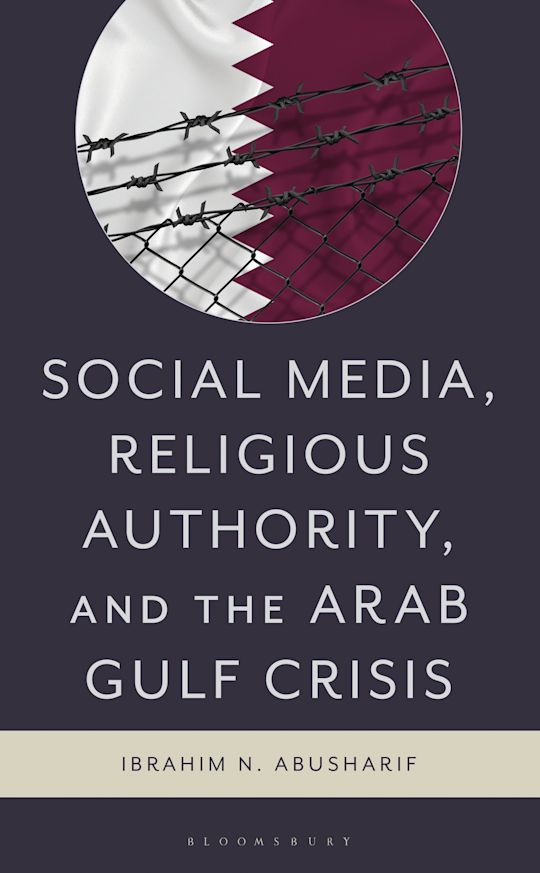

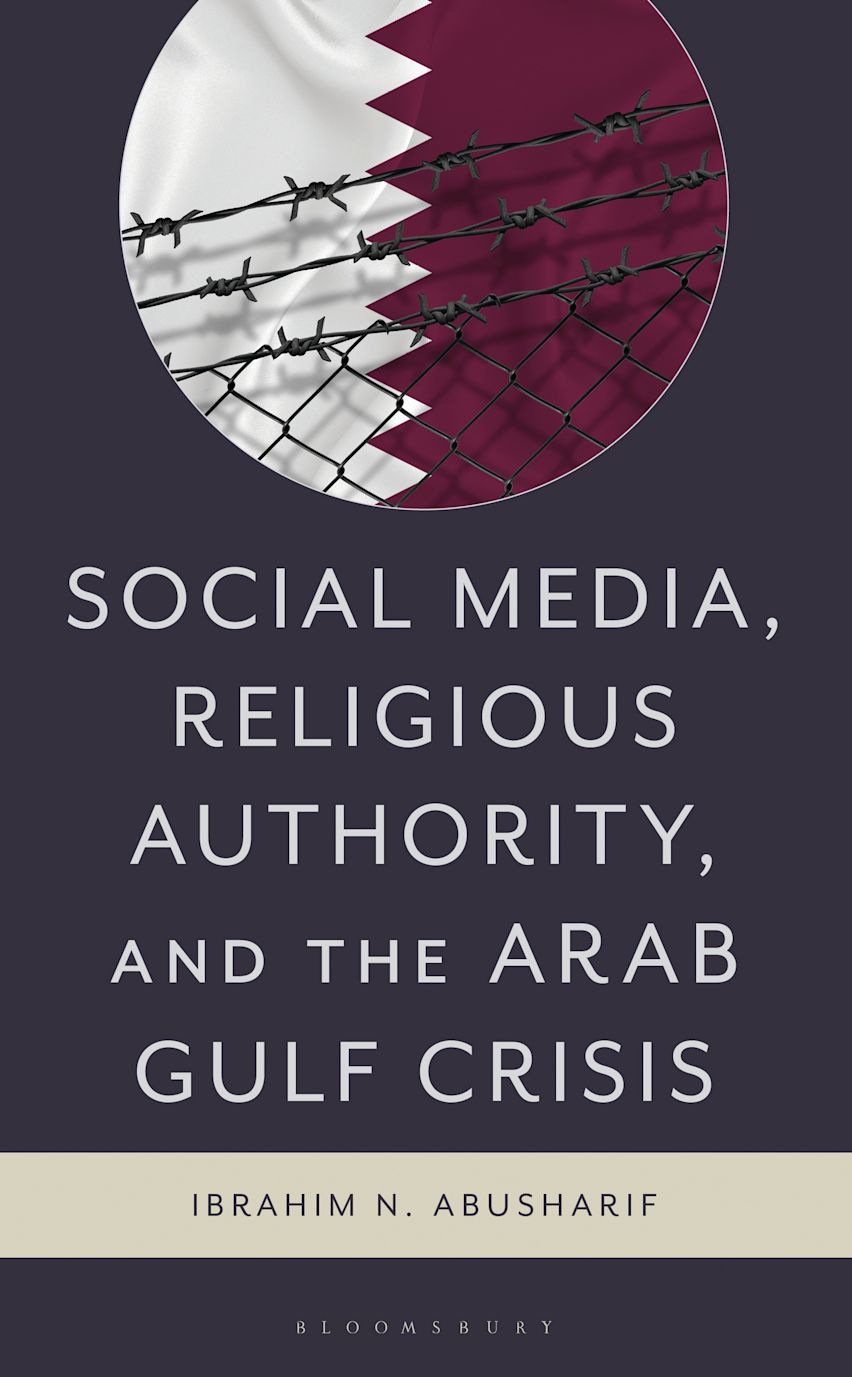
Social Media, Religious Authority, and the Arab Gulf Crisis
Description
Social Media, Religious Authority, and the Arab Gulf Crisis examines how the Arab Gulf Crisis (2017–2021) led to a robust social media reaction that significantly-and perhaps perpetually-changed the ways in which religious authority manifests in the digital age.
Positioning the Arab Gulf Crisis as a key moment in the transformation of public religious expression in the Gulf, Ibrahim N. Abusharif traces how religious authority was mobilized through digital media, a venue in which the authority of traditional scholars increasingly contended with a networked public sphere. As discourse shifted prominently on social media, he contends that the significance of this “digital battlefield” became heightened as state actors, religious scholars, and influencers leveraged Islamic language and philosophy to justify their positionality and, more importantly, to compete for narrative control of the conflict.
Abusharif provides close analyses of a range of media texts to demonstrate how scriptural allusions, moral framing, and juridical language were strategically deployed to influence the crisis. Throughout these analyses, he challenges prevailing binary frameworks to propose an interdisciplinary methodology which combines media studies and Islamic studies approaches, arguing for its necessity in forming a fuller understanding of the complex digital discourses associated with this conflict. Ultimately, this work offers a deep examination of how religion, media, and politics intersect in the digital age more broadly, leading us to consider how future crises might continue to develop across both physical and digital terrains.
Accessibility Information
Additional accessibility information
- EPUB 3.0
- Conforms with the requirements of EPUB Accessibility Spec v1.1
- WCAG level AA
- WCAG v2.2 compliant
- accessibility@bloomsbury.com
Hazards
The publication contains no hazards
Support for non-visual reading
- No accessibility features offered by the reading system, device or reading software are disabled or otherwise unusable with the product
- Has alternative text descriptions for images
Visual adjustments
Appearance of the text and page layout can be modified according to the capabilities of the reading system (font family and size, spaces, as well as color of background and text)
Navigation
- Page list to go to pages from the print source version
- Elements such as headings, tables, etc for structured navigation
- All or substantially all textual matter is arranged in a single logical reading order
- Content is enhanced with ARIA roles to optimize organization and facilitate navigation
- Purposes of all links are made clear
Rich content
Language tagging provided
Table of Contents
1. Considering Religious Authority and Media Technologies: Knowing the Present, Connecting with the Past
2. The Stakes, Stakeholders, and Religion in the Arab Gulf Crisis
3. Digital Entanglements: “Neutrality” and Performative Religion in the Gulf Crisis
4. Geography, Custodial Symbolism, and Authority
5. Framing the Conflict: What to Call the Crisis?
Conclusion: Digital Rhetoric, Authority, and Language: Concluding Remarks on the Way Forward
References
About the Author
Index
Product details

| Published | Dec 11 2025 |
|---|---|
| Format | Ebook (Epub & Mobi) |
| Edition | 1st |
| Pages | 152 |
| ISBN | 9781978763357 |
| Imprint | Bloomsbury Academic |
| Publisher | Bloomsbury Publishing |

ONLINE RESOURCES
Bloomsbury Collections
This book is available on Bloomsbury Collections where your library has access.