Understanding and Improving how K-12 Multilinguals are Taught
Supporting Multilinguals
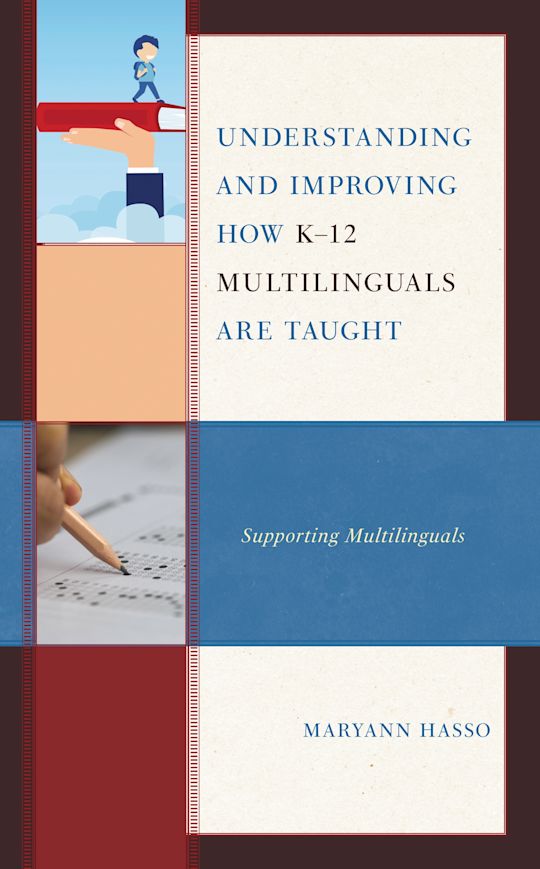

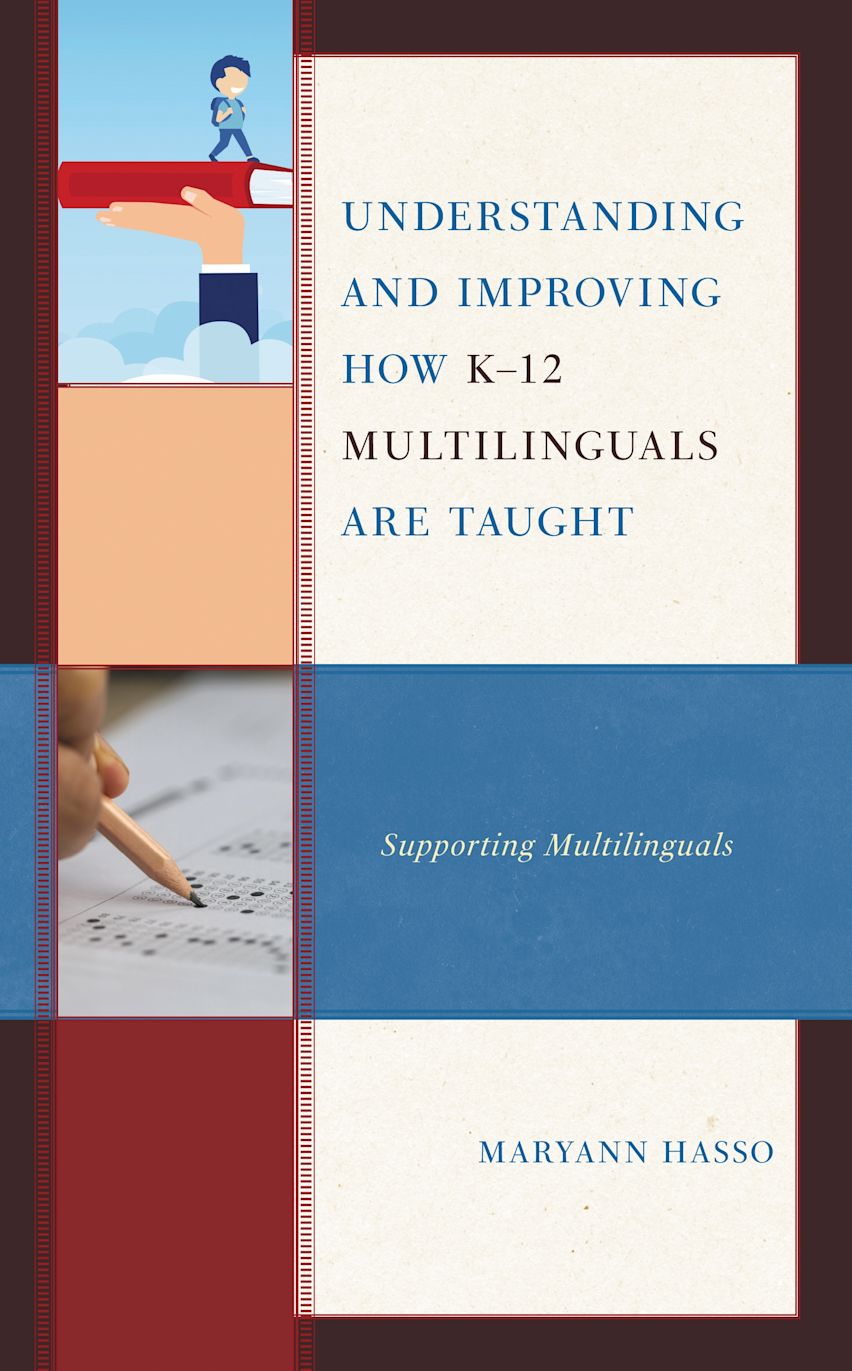
Understanding and Improving how K-12 Multilinguals are Taught
Supporting Multilinguals
Description
Understanding and Improving how K-12 Multilinguals are Taught: Supporting Multilinguals details instructional strategies that can be used to better assess multilingual learners which are more improved than the existing evaluations. The author argues that assessments for multilingual learners need to be improved due to inequities within the public-school systems, and that assessments for students in K12 schools are not equitable. The author also discusses strategies for welcoming and supporting multilingual learners in the classroom. The instructional strategies outlined for K12 educators includes offering students multiple test-taking options, ensuring that assessments are translated into students' respective languages, and allowing multilingual learners to take assessments in groups or pairs. These improvement strategies have been developed by using feedback from dual-language teachers in the K12 public school system. The assessment issues that will be addressed include inequity within assessments administered to multilingual learners, the way assessments are structured and developed at the district and school level, the consideration of the immigrant experience as these assessments are being developed, the roles of school boards in considering immigrant experiences while creating these assessments, the role of the teachers of multilingual learners, assessment strategies to support multilingual learners, and strategies that are effective in creating inclusive classrooms for native and multilingual English speakers.
Accessibility Information
Additional accessibility information
- EPUB 3.0
- Conforms with the requirements of EPUB Accessibility Spec v1.1
- WCAG level AA
- WCAG v2.2 compliant
- accessibility@bloomsbury.com
Hazards
The publication contains no hazards
Support for non-visual reading
- No accessibility features offered by the reading system, device or reading software are disabled or otherwise unusable with the product
- Has alternative text descriptions for images
Visual adjustments
Appearance of the text and page layout can be modified according to the capabilities of the reading system (font family and size, spaces, as well as color of background and text)
Navigation
- Page list to go to pages from the print source version
- Elements such as headings, tables, etc for structured navigation
- All or substantially all textual matter is arranged in a single logical reading order
- Content is enhanced with ARIA roles to optimize organization and facilitate navigation
- Purposes of all links are made clear
Rich content
Language tagging provided
Table of Contents
Prologue
List of Terms
Introduction
Chapter One: Background on Multilingual Learners in a K12 Classroom
Chapter Two: The Immigrant Experience
Chapter Three: Assessments and Inequity
Chapter Four: Structural Injustice Within Assessments
Chapter Five: The Roles of School Boards
Chapter Six: The Roles of Dual-Language Teachers in the Decision-Making Process
Chapter Seven: Assessment Strategies to Support Multilingual Learners
Chapter Eight: Effective Classrooms for Native English Speakers and Multilingual Learners
Appendices
References
About the Author
Product details
| Published | Nov 23 2022 |
|---|---|
| Format | Ebook (Epub & Mobi) |
| Edition | 1st |
| Pages | 130 |
| ISBN | 9781666904468 |
| Imprint | Lexington Books |
| Illustrations | 6 b/w illustrations; |
| Publisher | Bloomsbury Publishing |


ONLINE RESOURCES
Bloomsbury Collections
This book is available on Bloomsbury Collections where your library has access.
Related Titles