The Unsettling Nakba
Memory Studies, Palestinian Literature, and the Challenge of Remembering
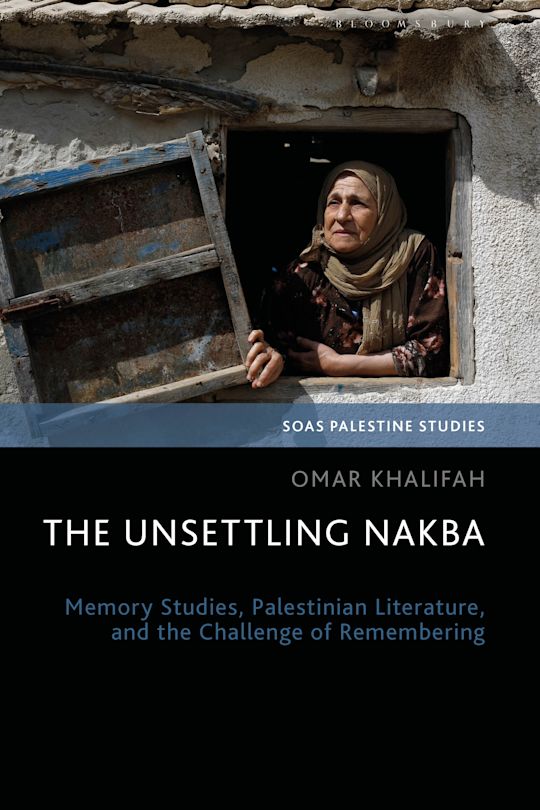

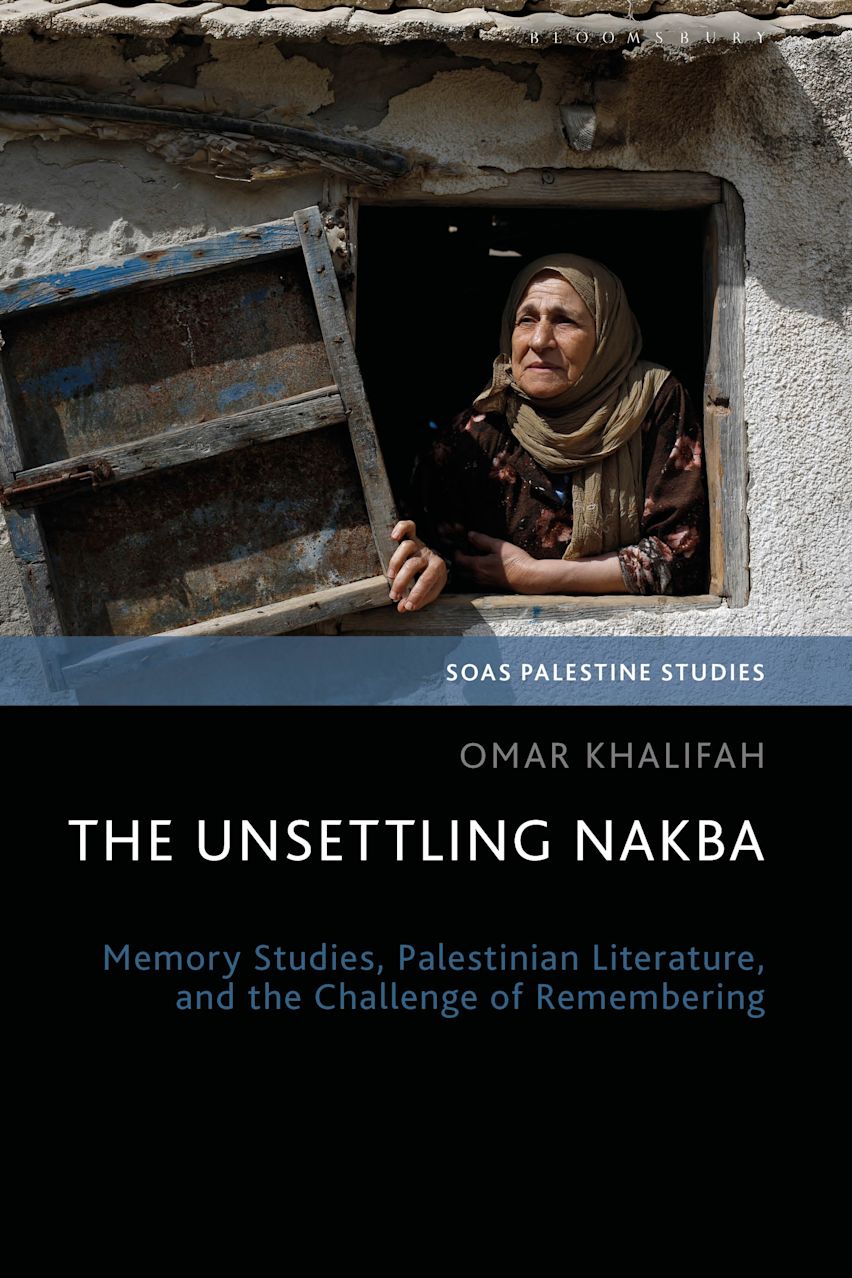
The Unsettling Nakba
Memory Studies, Palestinian Literature, and the Challenge of Remembering
Buying pre-order items
Ebooks and Audiobook
You will receive an email with a download link for the ebook or audiobook on the publication date.
Payment
You will not be charged for pre-ordered books until they are available to be shipped. Pre-ordered ebooks will not be charged for until they are available for download.
Amending or cancelling your order
For orders that have not been shipped you can usually make changes to pre-orders up to 72 hours before the publishing date.
Payment for this pre-order will be taken when the item becomes available
- Delivery and returns info
-
Free CA delivery on orders $40 or over
Description
For Palestinians, 1948 was the year of the catastrophe-the Nakba. Recently, scholars have referred to the moral and political imperative for Palestinians to remember the Nakba. However, this book argues that, in this case, remembering is fraught with distinctive and enduring problems. These challenges arise from two main particularities of the Nakba. First, the author identifies the historical and moral paradox of the Nakba occurring in the post-Holocaust era. Second, he highlights the Nakba's unusual temporality as an ongoing and unfinished condition, rather than a closed historical event. To explore these tensions, the book focuses on the field of memory studies and on Palestinian literature, two areas where the Nakba is most often remembered and commemorated. The author presents the shortcomings of an uncritical embrace of memory studies for commemorating the Nakba, particularly noting the unparalleled centrality of the Holocaust in this field. Within the literary space, he challenges the unsubstantiated generalizations about the relationship between Palestinian literature and the Nakba. The author argues that it is only by first engaging with the distinctive challenges of remembering the Nakba that a more truthful account of the Palestinian narrative can be found.
Table of Contents
Acknowledgements
Note on Translation and Transliteration
Introduction
Chapter 1: Holocaust Memory and the Invisibility of the Nakba
Chapter 2: Transcultural Memory and the Persistent Invisibility of the Nakba
Chapter 3: Memory as Past, the Nakba as Ongoing
Chapter 4: Negotiating the Duty to Remember
Chapter 5: The Weight Inviolable Victimhood
Conclusion
Afterword: The Gaza Nakba
Notes
Product details

| Published | Feb 18 2027 |
|---|---|
| Format | Hardback |
| Edition | 1st |
| Pages | 272 |
| ISBN | 9781350660182 |
| Imprint | Bloomsbury Academic |
| Dimensions | 234 x 156 mm |
| Series | SOAS Palestine Studies |
| Publisher | Bloomsbury Publishing |
Reviews
Related Titles