Virginity in Early Modern Spanish Literature on Prostitution
Beyond the Virgin/Whore Dichotomy
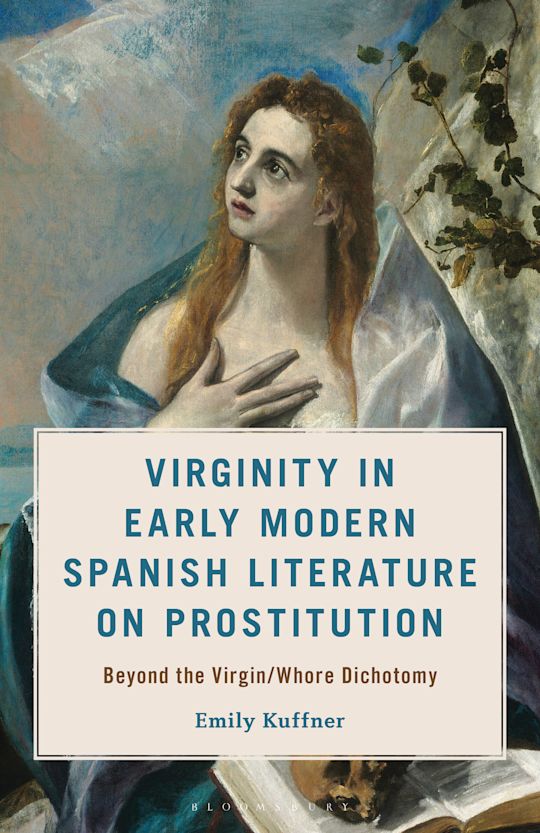

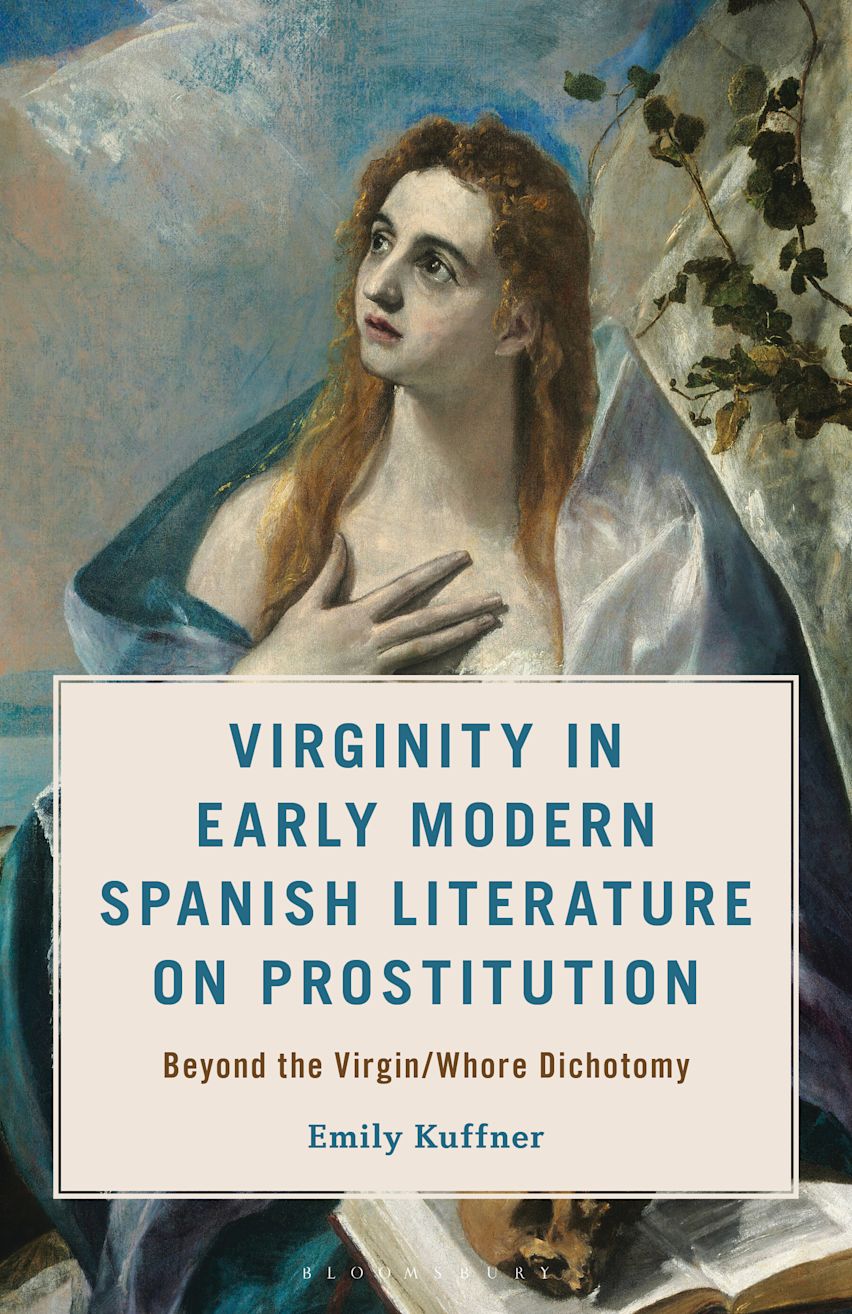
Virginity in Early Modern Spanish Literature on Prostitution
Beyond the Virgin/Whore Dichotomy
Buying pre-order items
Ebooks and Audiobook
You will receive an email with a download link for the ebook or audiobook on the publication date.
Payment
You will not be charged for pre-ordered books until they are available to be shipped. Pre-ordered ebooks will not be charged for until they are available for download.
Amending or cancelling your order
For orders that have not been shipped you can usually make changes to pre-orders up to 72 hours before the publishing date.
Payment for this pre-order will be taken when the item becomes available
- Delivery and returns info
-
Free CA delivery on orders $40 or over
Description
Investigating the cultural construction of virginity, Emily Kuffner examines the cultural logic of purity and corruption in early modern Spain through the representation of virginity in texts on prostitution.
It is often argued that women had only three options in early modern Spanish society-to become a wife, nun, or prostitute- and that these categories of female sexuality (two virtuous, one deviant) were discreet and life-long. However, the representation of virginity in satirical works demonstrates that women could move between categories and could fashion narratives that allowed them to claim honor and virtue even without being virgins. This book challenges the virgin/whore dichotomy to highlight the complexity of early modern culture with regard to sexuality, arguing that virginity did not function solely as a private moral attribute, but as a mechanism through which social anxieties revolving around bodily regulation and gender were outlined and enforced. Through the frameworks of religious discourse, empire, class, and literary production, Kuffner reveals how sexual virtue and deviance were culturally constructed and policed.
Drawing upon prose, poetry, and historical documentation, Virginity in Early Modern Spanish Literature on Prostitution asserts that the role of "virgin" and "whore" are not fixed, oppositional identities, but overlapping, fluid designations that challenge the assumption that women's sexual identities can be contained within one role.
Table of Contents
1. ¿Por qué me pedís la flor? Satirical Defloration
2. The Alcahueta as Hymen-mender
3. Selling the Maidenhead
4. Feigning Virginity
Conclusion: Beyond the Virgin/Whore Dichotomy
References
Product details

| Published | Jan 07 2027 |
|---|---|
| Format | Hardback |
| Edition | 1st |
| Pages | 136 |
| ISBN | 9798216277101 |
| Imprint | Bloomsbury Academic |
| Dimensions | 229 x 152 mm |
| Publisher | Bloomsbury Publishing |
Reviews
Related Titles