When Thinking Stops
Philosophy and Sleep in Capitalist Modernity
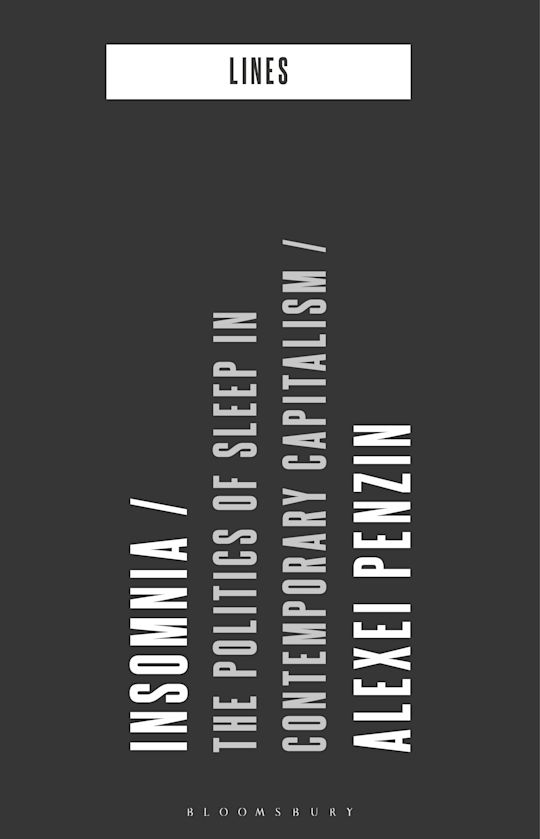

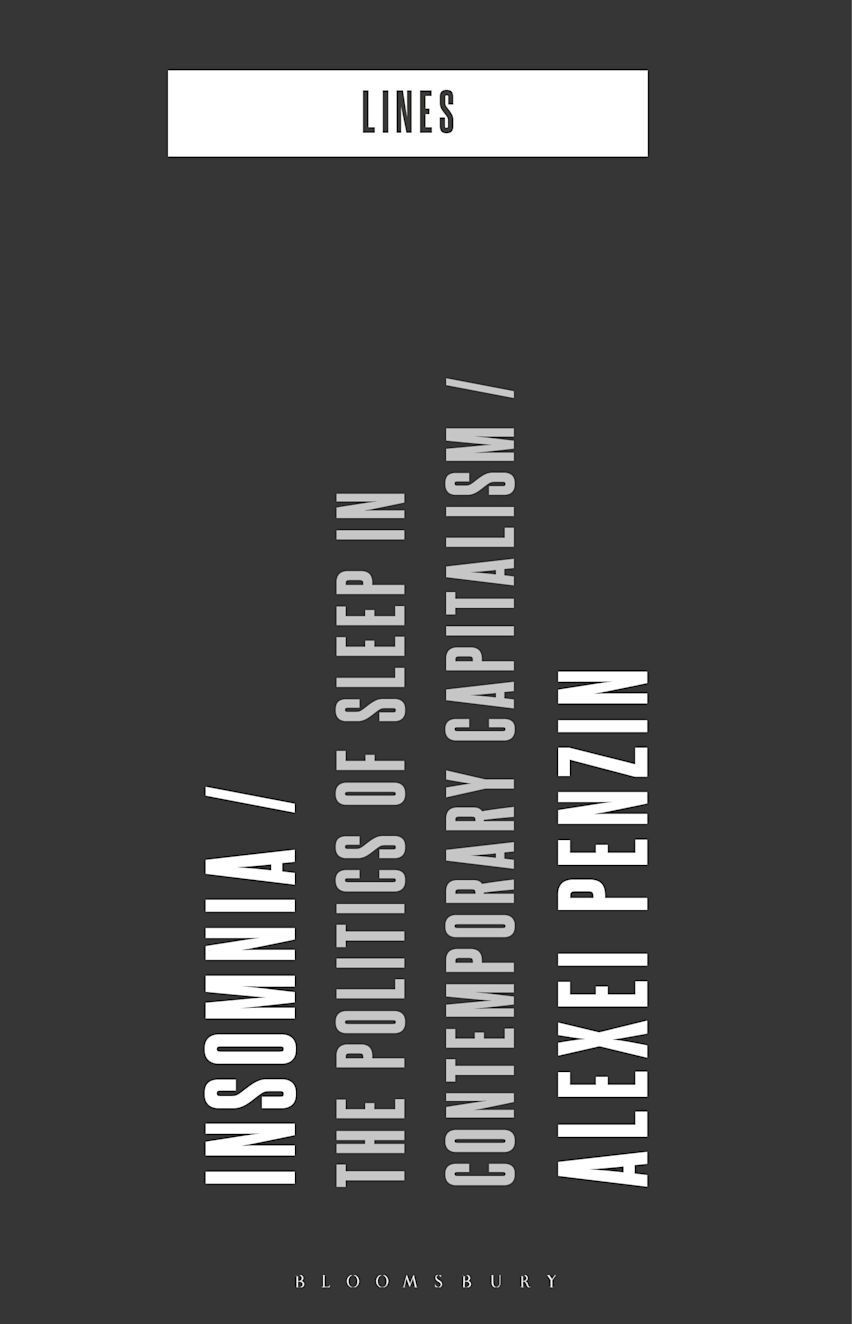
When Thinking Stops
Philosophy and Sleep in Capitalist Modernity
Buying pre-order items
Ebooks and Audiobook
You will receive an email with a download link for the ebook or audiobook on the publication date.
Payment
You will not be charged for pre-ordered books until they are available to be shipped. Pre-ordered ebooks will not be charged for until they are available for download.
Amending or cancelling your order
For orders that have not been shipped you can usually make changes to pre-orders up to 72 hours before the publishing date.
Payment for this pre-order will be taken when the item becomes available
Description
Since its inception, capitalist modernity has driven us toward incessant productive activity and the continuous extraction of value.
It has become increasingly intertwined with what Arendt called the restless “life of the mind”, a convergence that has reached its apogee in our own time. AI and cognitive automation embody the ideal of operational continuity at its purest, while deskilling, exhausting, and damaging human intelligence.
Through a heterodox reading of the European philosophical canon, When Thinking Stops develops a genealogy of this predicament, focusing on the dominant paradigm of continuous activity. The book untangles this genealogy by tracing a seemingly marginal motif: the strange fear of sleep that brutally interrupts what philosophers treat as the precious activity of thinking. From Plato and Aristotle to modern philosophers including Descartes, Locke, Spinoza and Leibniz, up to Hegel, one finds the repeated claim that thinking is the most valuable activity and that its seamless continuity must be ensured by all means.
This philosophical fear of sleep, or hypnophobia, aligns with capital's “vampire's thirst” (Marx) for an uninterrupted consumption of living labour. On a more speculative level, and drawing critically on Emmanuel Levinas's early thought, When Thinking Stops invokes the figure of “ontological insomnia” and posits that the modern drive for continuous activity reveals a dispositif of violent and incessant compulsion “to be.” The book concludes by evoking speculative and utopian visions of non-continual and non-compulsive existence.
Accessibility Information
Additional accessibility information
- PDF/UA-2, 1.4
- accessibility@bloomsbury.com
Hazards
The publication contains no hazards
Support for non-visual reading
Has alternative text descriptions for images
Navigation
- Page list to go to pages from the print source version
- Elements such as headings, tables, etc for structured navigation
- All or substantially all textual matter is arranged in a single logical reading order
Table of Contents
Prologue: “The Life of the Mind” and the Ontology of Contemporary Capitalism
1. (Not) Thinking About Sleep? Capitalist Modernity, Philosophy, and Hypnophobia
2.“Every drowsy nod shakes their doctrine”: the Gigantomachy Over Sleep in Early Modern Philosophy
3. Leibniz: Sleep in the Labyrinth of the Continuum
4. Hegel: The Sleep of the Spirit and the Lightning of Subjectivity
5. “Ontological Insomnia.” Levinas and Beyond
Epilogue: Thought, Sleep and Indifference to Being
Bibliography
Index
Product details

| Published | Jul 08 2027 |
|---|---|
| Format | Ebook (PDF) |
| Edition | 1st |
| Pages | 208 |
| ISBN | 9781350002777 |
| Imprint | Bloomsbury Academic |
| Series | Lines |
| Publisher | Bloomsbury Publishing |
Related Titles