
- Home
- ACADEMIC
- Communication Studies
- Health and Science Communication
- Young Voices for Environmental Stewardship and Activism
Buying pre-order items
Ebooks and Audiobook
You will receive an email with a download link for the ebook or audiobook on the publication date.
Payment
You will not be charged for pre-ordered books until they are available to be shipped. Pre-ordered ebooks will not be charged for until they are available for download.
Amending or cancelling your order
For orders that have not been shipped you can usually make changes to pre-orders up to 72 hours before the publishing date.
Payment for this pre-order will be taken when the item becomes available
- Delivery and returns info
-
Free CA delivery on orders $40 or over
You must sign in to add this item to your wishlist. Please sign in or create an account
Description
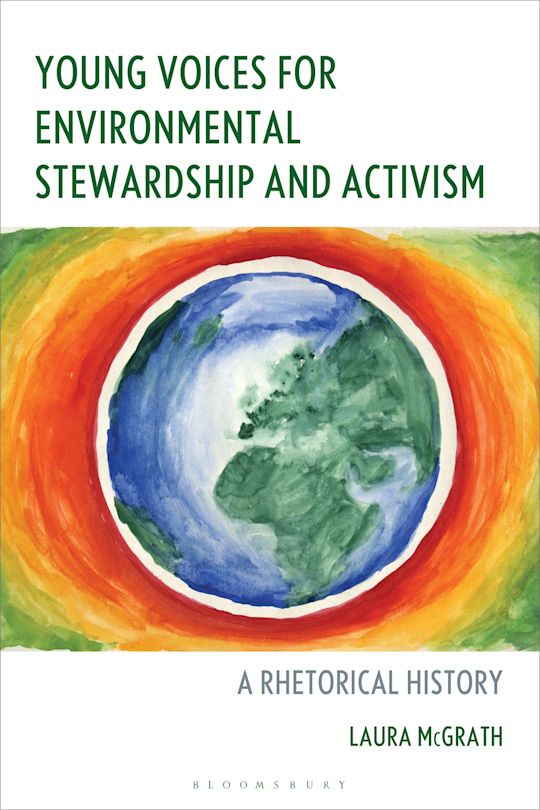
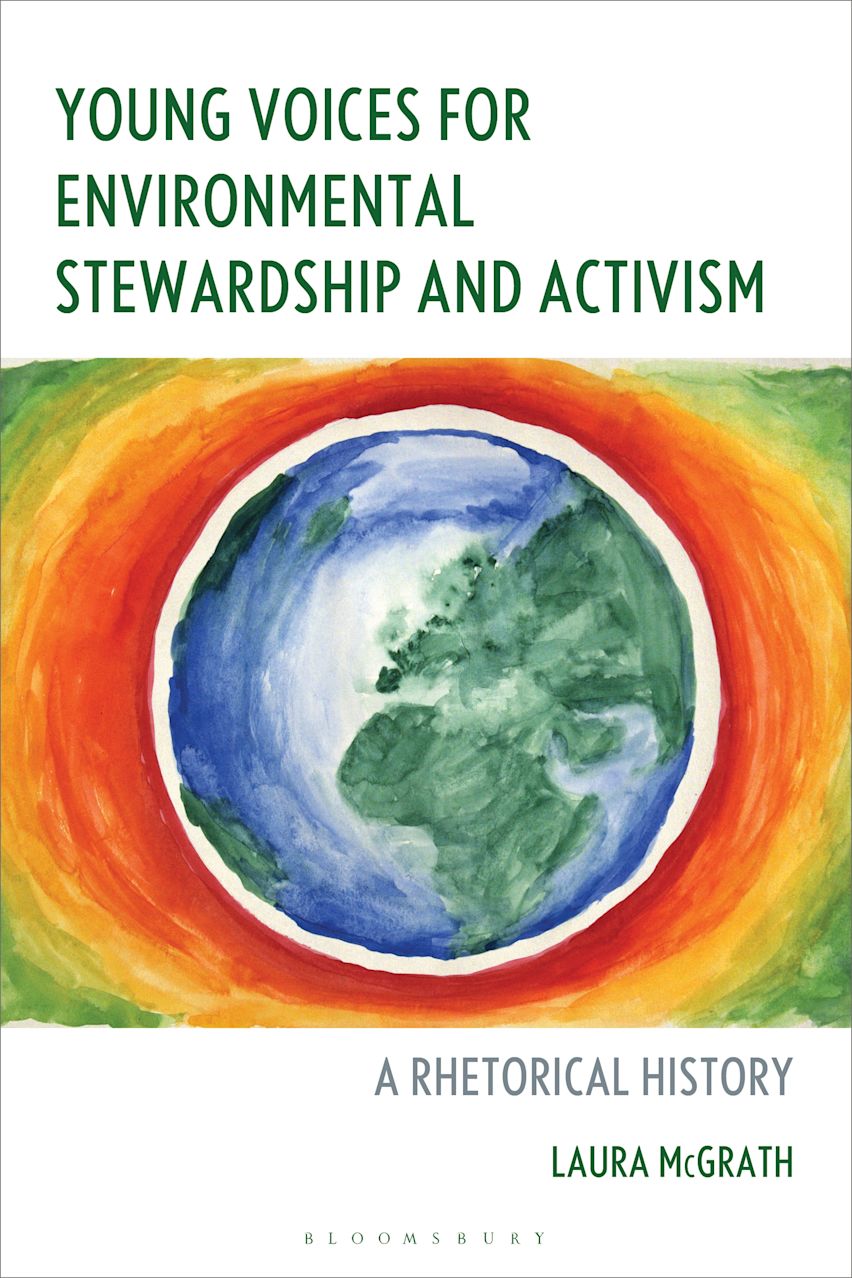
Laura McGrath traces the rhetorical history of discourses about young people and the environment in the United States, from the late-nineteenth century to the present, identifying common arguments employed by adults about the environment and examines how young people assimilate, critique, or repurpose assumptions evident in those arguments.
According to arguments evident in over a century of environmental discourse in the United States, young people represent hope for the future and can use their voices and energies to make a difference. This requires environmental, character, and civic education, which has taken various forms and has been promoted by environmental groups, scouting organizations and clubs, educators, politicians, federal and state agencies. Equally important are young people's own contributions to environmental discourses, which have taken various forms, including letters, essays, artwork, speeches, testimony, and social media posts.
The book devotes critical attention to these rhetorical artifacts, along with records of young people's contributions to early bird protection and anti-cruelty efforts; wildlife, tree, and natural resource conservation; anti-litter and recycling campaigns; and youth environmental activism. McGrath identifies tropes, assumptions, and patterns evident in the arguments of adults while also demonstrating how young people have engaged with these claims and narratives while claiming and exercising their own rhetorical agency
Table of Contents
Introduction: Youth Rhetorical Power in Discourses on Young People and the Environment
1. “The Most Teachable Point”: Developing Young Protectionists and Conservation Leaders Through Nature-Study and Club Work (1890s–1930s)
2. From Citizens-in-Training to Eco-Activists: Young People as Timber Protectors, Anti-Litter Heroes, and Environmental Activists (1940s–1960s)
3. Young Environmentalists in “America the Polluted” (1970–1980)
4. Green Teens and Environmental Heroes: Young People as Planet Protectors (1980s–2000s)
5. Youth Activism from #NoDAPL to the Youth Climate Movement: Visibility and Voice (2010s–2020s) Conclusion: Young Voices for the Environment: Resonant Assumptions, Changing Dynamics
References
About the Author
Product details

| Published | Jan 07 2027 |
|---|---|
| Format | Hardback |
| Edition | 1st |
| Pages | 192 |
| ISBN | 9781666948592 |
| Imprint | Bloomsbury Academic |
| Dimensions | 229 x 152 mm |
| Publisher | Bloomsbury Publishing |
About the contributors
Reviews
-
What accounts for the persuasive impact of young climate activists like Greta Thunberg? Laura McGrath identifies dimensions of "youth rhetorical power" in environmental discourse by tracing the historical evolution of environmental campaigns featuring young people going back to the turn of the 20th Century. From bird conservation groups to 4-H Clubs and Scouts to school-based education to grass-roots organization to popular culture creation and consumption, young people have served as both effective advocates and activated audiences. McGrath highlights a "rhetorical throughline" shared by Thunberg and her predecessors that includes findings that youth are both reachable and teachable, they have a unique ability to educate and persuade peers and parents, they are inheritors of the earth and thus are uniquely positioned as victims of environmental degradation, and they provide heroic role models for others. The book is a great example of the value of historical perspective as a way of understanding contemporary persuasive contexts.
Stephen P. Depoe, Founding Chair, International Environmental Communication Association and Professor Emeritus, University of Cincinnati, USA
-
Laura McGrath offers a compelling rhetorical history of concerted campaigns to connect young people with nature, develop an environmental ethic, and encourage environmental activism. This book confirms the importance of environmental and civic education and affirms the rhetorical power of young people to make a difference.
Anne Marie Todd, Dean, College of Social Sciences, and Professor of Communication Studies, San José State University, USA