Between Doctrines
Emerging Patterns in the Relations among Israel, Iran, and the United States, 1964–1968

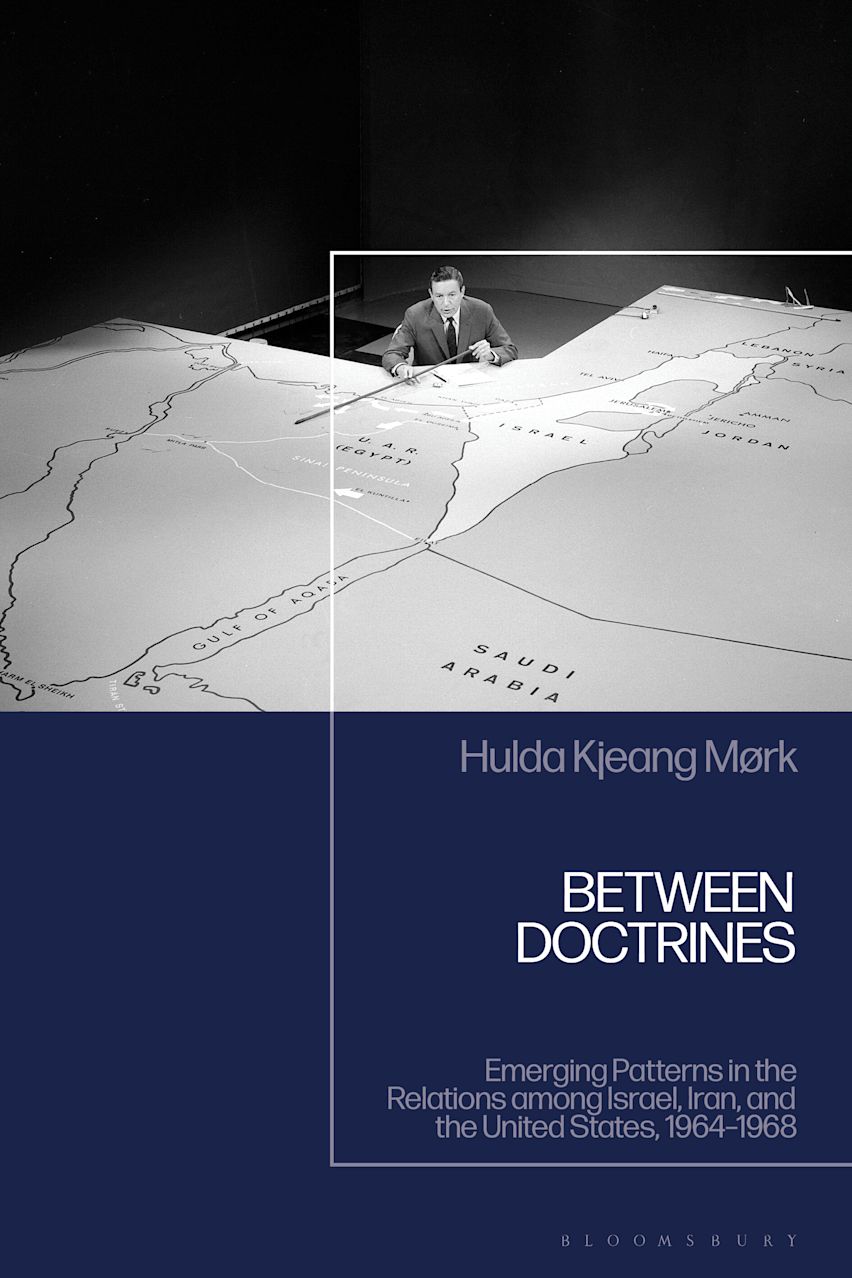
Between Doctrines
Emerging Patterns in the Relations among Israel, Iran, and the United States, 1964–1968
Description
Through deep archival research, Between Doctrines explores the Johnson administration's policy towards Iran and Israel and reveals new insights into the close collaboration between these countries and their coordination of strategies vis-à-vis the United States.
It contributes to a growing body of literature allocating relevant agency to the “smaller” US allies in the Cold War by arguing that Iran and Israel, both together and apart, intentionally impacted US policy concerning them and ultimately shaped their own trajectories with the great power and within their Middle Eastern context. The analysis tracks how Israeli and Iranian leaders worked in parallel through oil, arms, and intelligence exchanges, covert operations against shared Arab adversaries, and coordinated lobbying to widen U.S. thresholds on weapons sales and reframe the region's core threats.
By weaving together the three bilateral relationships, Between Doctrines reframes the Johnson years as the shift from conditional restraint in arms sales to delegated security backed by expanded arms transfers. It offers a fresh synthesis for scholars and students of international history, Cold War strategy, Middle East politics, and security studies.
Accessibility Information
Additional accessibility information
- PDF/UA-2, 1.4
- accessibility@bloomsbury.com
Hazards
The publication contains no hazards
Support for non-visual reading
Has alternative text descriptions for images
Navigation
- Page list to go to pages from the print source version
- Elements such as headings, tables, etc for structured navigation
- All or substantially all textual matter is arranged in a single logical reading order
Table of Contents
Introduction
1. Emerging Ties: Caution, Crisis, and Convergence, 1948–1963
2. Evenhandedness under Pressure, 1964–65
3. Dictated by the Facts of Life: A Quiet Tilt, 1966–67
4. The June War as a Catalytic Agent: No Turning Back, 1967–68
5. An American Embrace of Allies: Consolidation and Codification
Epilogue
Primary Sources
Bibliography
Index
Product details

| Published | 26 Nov 2026 |
|---|---|
| Format | Ebook (PDF) |
| Edition | 1st |
| Pages | 304 |
| ISBN | 9798216251804 |
| Imprint | Bloomsbury Academic |
| Publisher | Bloomsbury Publishing |

Reviews

ONLINE RESOURCES
Bloomsbury Collections
This book is available on Bloomsbury Collections where your library has access.
Related Titles