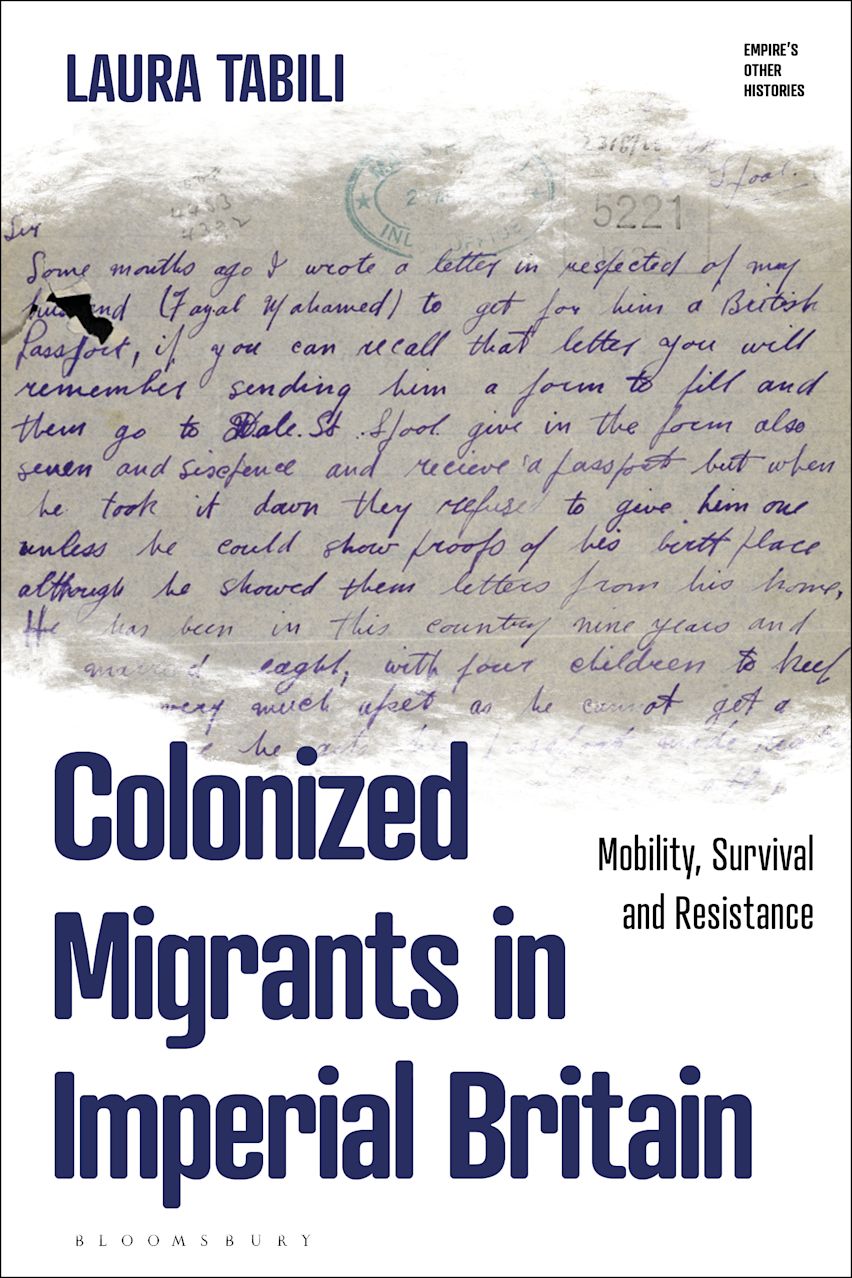
Description
The making of multicultural Britain is often dated to the arrival of the Windrush in 1948, but this obscures the lives of the many colonized migrants who were already surviving, and often thriving, in the metropole long before 1948.
This book follows early twentieth century migrants from Africa, Asia and the Caribbean from their recruitment in the colonies through their varied exploits and experiences in Britain. It affords a window into life in multicultural working-class settlements before and between the world wars, offering unprecedented granular detail about who such migrants were, where they came from and moved to, how their networks and institutions in Britain functioned, how much they mixed with and married local people, and whether these patterns persisted or altered as new waves of migrants joined them over time.
Weaving multiple stories together, Colonized Migrants in Imperial Britain tells of the opportunities seized; the networks, communities and kin that were sustained; and the strategies used to make ends meet. Often marginalised, policed and subordinated, this book shows how colonized migrants overcame formidable institutional obstacles to take part in, enrich, and build modern British society.
Accessibility Information
Additional accessibility information
- EPUB 3.0
- Conforms with the requirements of EPUB Accessibility Spec v1.1
- WCAG level AA
- WCAG v2.2 compliant
- accessibility@bloomsbury.com
Hazards
The publication contains no hazards
Support for non-visual reading
- No accessibility features offered by the reading system, device or reading software are disabled or otherwise unusable with the product
- Has alternative text descriptions for images
Visual adjustments
Appearance of the text and page layout can be modified according to the capabilities of the reading system (font family and size, spaces, as well as color of background and text)
Navigation
- Page list to go to pages from the print source version
- Elements such as headings, tables, etc for structured navigation
- All or substantially all textual matter is arranged in a single logical reading order
- Content is enhanced with ARIA roles to optimize organization and facilitate navigation
- Purposes of all links are made clear
Rich content
Language tagging provided
Table of Contents
List of Maps
List of Tables
Introduction
1. Origins and Numbers
2. Jumping Ship? Hidden Migration?
3. To Assist Their Own Who Are in Need: Migrant Networks in Imperial Britain, 1928-1934
4. Sober and Industrious Citizens or Temporary Residents in the Seaports?
5. Settlers and Transients in Seaport Communities
6. Makeshift Survival
7. Little in Rest from Police Disturbance
8. Beyond Resistance
Conclusion, No Island of Strangers
Appendix 1.1 Four Additional Significant Settlements
Archival Sources and Repositories
Endnotes
Bibliography
Product details

| Published | 20 Aug 2026 |
|---|---|
| Format | Ebook (Epub & Mobi) |
| Edition | 1st |
| Pages | 272 |
| ISBN | 9781350605695 |
| Imprint | Bloomsbury Academic |
| Illustrations | 30 bw illus |
| Series | Empire’s Other Histories |
| Publisher | Bloomsbury Publishing |
Reviews
Related Titles