Generations, Geography, and Governance in China
Pathways to Political Liberalization
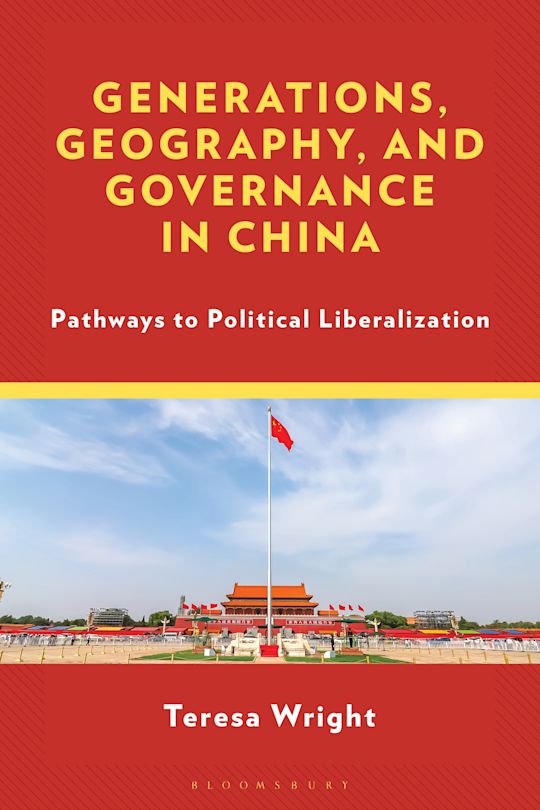

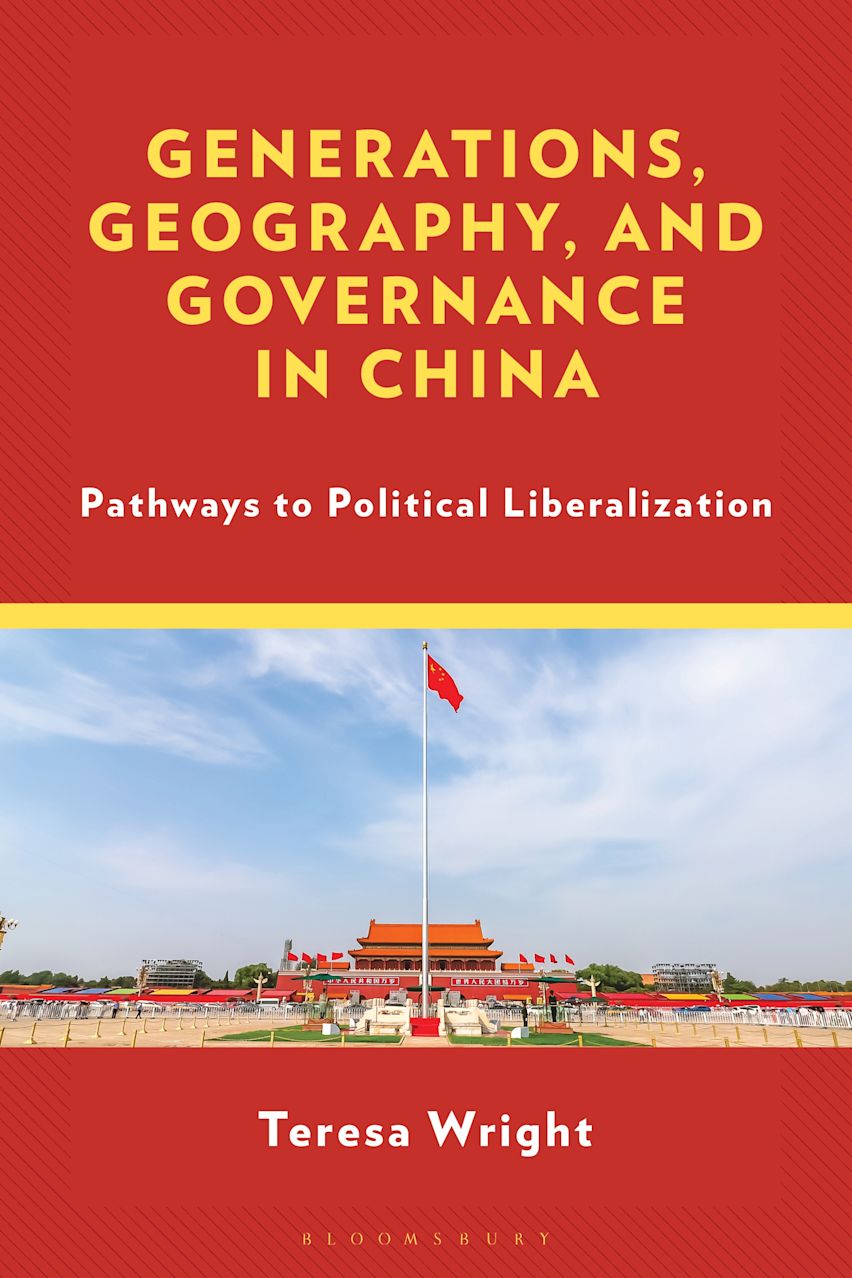
Generations, Geography, and Governance in China
Pathways to Political Liberalization
Description
Spanning the history of the People's Republic of China, this book analyzes sources of popular support for authoritarian governance and disinterest in promoting political liberalization.
Disaggregating the population by age/generation and residential registration (hùkou) status, this book examines how these factors play into popular attitudes about political liberalization. Drawing on public opinion surveys, interviews, NGO reports, and Chinese government statistical sources, the book identifies two key requirements for a group to push for political liberalization: recognition of desirable and viable liberal political alternatives; and violation of group members' elevated expectations of government. In the China, these requirements were met only from the late 1970s-1989, and only for two small groups: red generation sent down youths and early reform generation university students. Conversely, the books reveals why the formative experiences of other generation-hùkou cohorts have fostered dissatisfaction and, in some cases, large-scale and sustained protests, but little effort to promote liberal democratic ideals. Critical for China's future, this includes most contemporary Chinese youths born since 1990.
Overall, the book shows that multiple experiential avenues can lead to popular acceptance of authoritarian rule, while the confluence of factors leading to public promotion of political liberalization appears unusual and ephemeral.
Accessibility Information
Additional accessibility information
- PDF/UA-2, 1.4
- accessibility@bloomsbury.com
Hazards
The publication contains no hazards
Support for non-visual reading
Has alternative text descriptions for images
Navigation
- Page list to go to pages from the print source version
- Elements such as headings, tables, etc for structured navigation
- All or substantially all textual matter is arranged in a single logical reading order
Table of Contents
List of Figures
Acknowledgments
Introduction. Generation and Hùkou Status in China
Part I. Mao Era (1949-1976)
1. China's international status and domestic leadership in the Mao era
2. Ruralites under Mao: struggling for survival
3. Urbanites under Mao: privileged and empowered
4. “Sent-down” youths: privilege lost
Part II. China's Early Reform Era (1976-1989)
5. China's international status and domestic leadership in the early reform era
6. Rural youths in the early reform generation: opportunities open
7. Urban youths in the early reform generation: privilege under threat
8. University students in the early reform era: raised expectations unmet
Part III. Late Reform Era (1990-present)
9. China's international status and domestic leadership in the late reform era
10. Contemporary rural hùkou-holding youth: diminished opportunities and self-esteem
11. Contemporary urban hùkou-holding youth: hopelessness and frustration
Conclusion: Pathways to Political Liberalization in China and Beyond
Bibliography
Index
Product details

| Published | 04 Mar 2027 |
|---|---|
| Format | Ebook (PDF) |
| Edition | 1st |
| Pages | 288 |
| ISBN | 9798216261964 |
| Imprint | Bloomsbury Academic |
| Illustrations | 12 bw illus & 11 tables |
| Series | Challenges Facing Chinese Political Development |
| Publisher | Bloomsbury Publishing |
Reviews
Related Titles