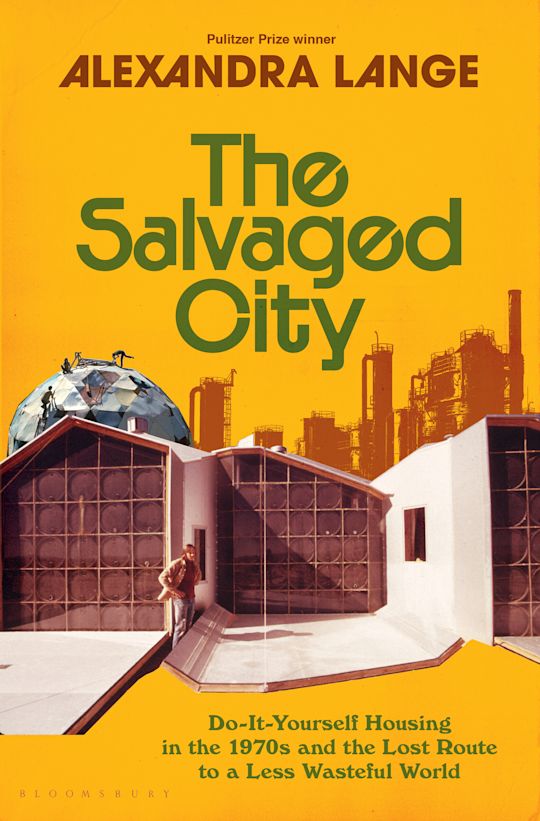
The Salvaged City
Do-It-Yourself Housing in the 1970s and the Lost Route to a Less Wasteful World

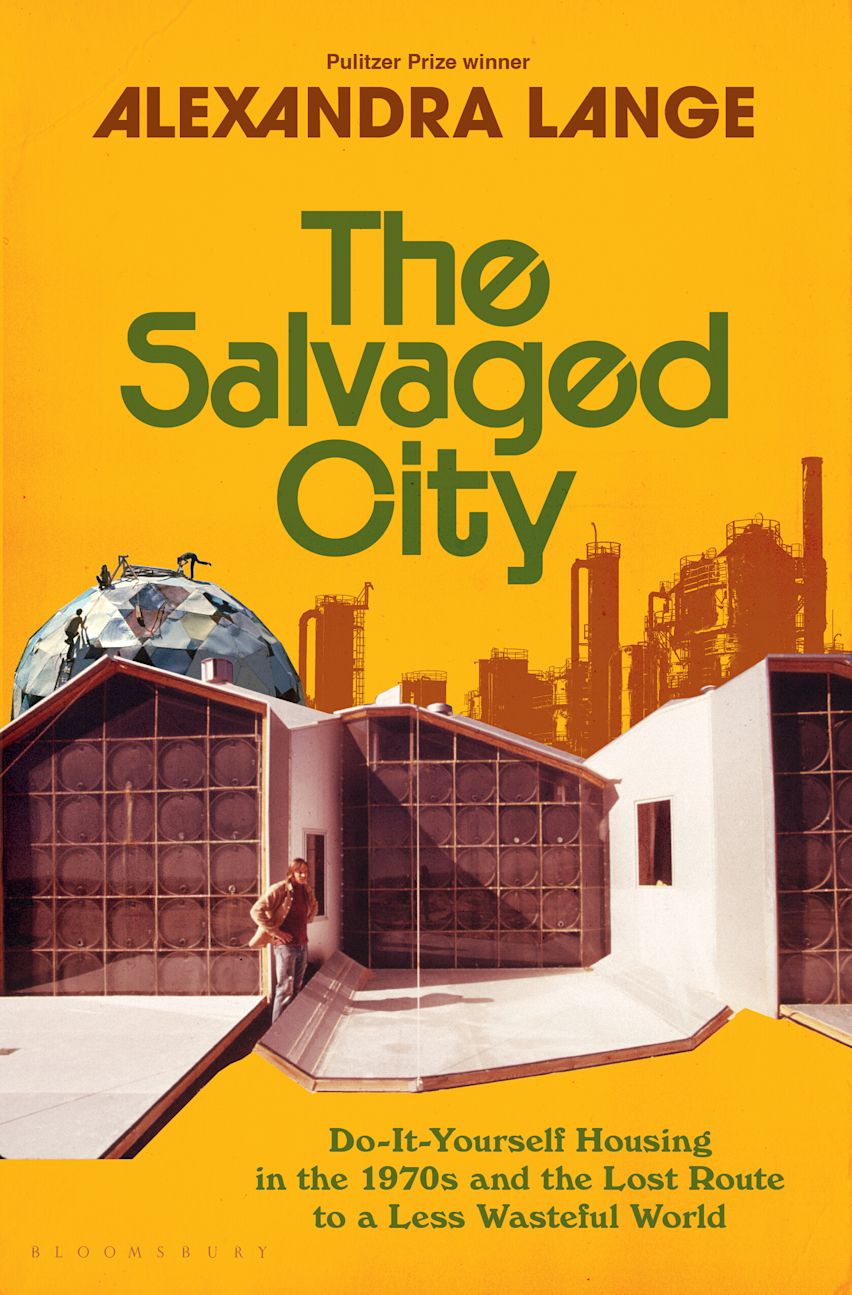
The Salvaged City
Do-It-Yourself Housing in the 1970s and the Lost Route to a Less Wasteful World
Description
From Pulitzer Prize-winning design critic Alexandra Lange, a beguiling look at the waste-not architecture of the 1970s-and the consequences of leaving it behind.
In 1977, Jimmy Carter sat by a fire and urged Americans to lower their thermostats, “live thriftily,” and help their neighbors. Modest personal sacrifice, he said, would pave the way to a prosperous future. Ronald Reagan would win the next presidential election decisively, arguing that Americans should never have to just make do. The country rode that consumerist ideal into the twenty-first century, with disastrous results.
In this remarkable new examination of the grassroots environmentalism of the 1970s, Alexandra Lange introduces us to movements that grew through the concrete of post-Vietnam War austerity: photographers fanning out to document the beauty and degradation of the environment, dreamers building domes and writing manuals for living lightly on the land, homesteaders taking up residence in abandoned buildings as “urban pioneers.”
The do-it-yourself solutions of a bygone era show us the richness and abundance that can be found in our own. Taking us on a vibrant tour of the 1970s, The Salvaged City follows everyday Americans making use of unexpected resources to build a better, more sustainable world.
Accessibility Information
Additional accessibility information
- EPUB 3.0
- Conforms with the requirements of EPUB Accessibility Spec v1.1
- WCAG level AA
- WCAG v2.2 compliant
- accessibility@bloomsbury.com
Hazards
The publication contains no hazards
Support for non-visual reading
- No accessibility features offered by the reading system, device or reading software are disabled or otherwise unusable with the product
- Has alternative text descriptions for images
Visual adjustments
Appearance of the text and page layout can be modified according to the capabilities of the reading system (font family and size, spaces, as well as color of background and text)
Navigation
- Page list to go to pages from the print source version
- Elements such as headings, tables, etc for structured navigation
- All or substantially all textual matter is arranged in a single logical reading order
- Content is enhanced with ARIA roles to optimize organization and facilitate navigation
- Purposes of all links are made clear
Rich content
Language tagging provided
Product details
| Published | 06 Apr 2027 |
|---|---|
| Format | Ebook (Epub & Mobi) |
| Edition | 1st |
| Pages | 416 |
| ISBN | 9781639736782 |
| Imprint | Bloomsbury Publishing |
| Illustrations | B&W throughout |
| Publisher | Bloomsbury Publishing |
Reviews
Related Titles