Screening Technology, Theorizing Posthumanism
Humanness and Embodiment in Science Fiction Film and Television
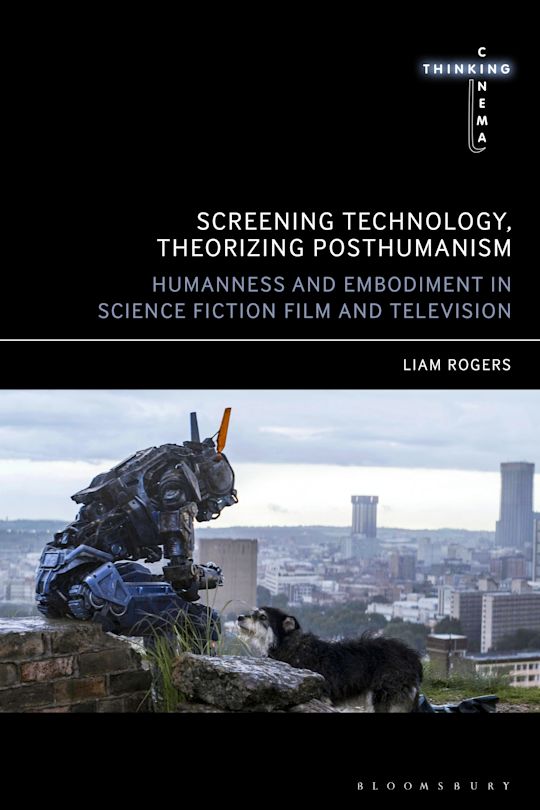

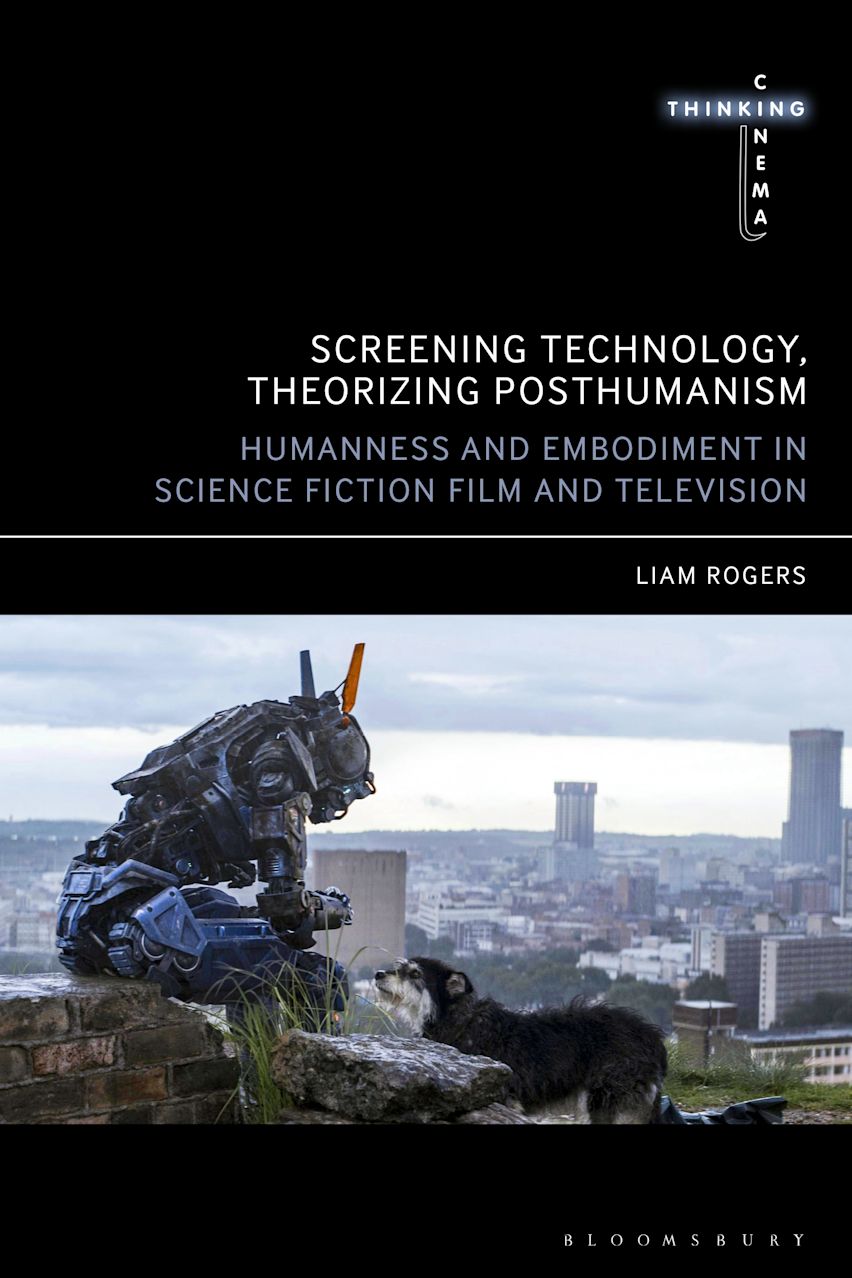
Screening Technology, Theorizing Posthumanism
Humanness and Embodiment in Science Fiction Film and Television
Description
Screening Technology, Theorizing Posthumanism examines how different embodiments of technological life come to be inscribed with qualities of humanness across mainstream film and television, so as to understand the ways in which posthumanism emerges onscreen.
Now more than ever, we are being told that technologies capable of performing as though they were human are being developed at an unprecedented rate. In order to make sense of the wide-ranging social, ethical and philosophical ramifications of such technologies, cultural commentators, researchers and philosophers are turning to science-fiction for answers. Rather than dismiss those who do so, this book builds upon this critical impulse to consider how film and television respond to the question: what does it mean to be human in an age of technological crisis?
Liam Rogers makes the case for a film-and-television-philosophy approach to examine what mainstream science-fiction can offer posthumanism in its technoscientific visions of the future. Through close readings of popular films such as Her (2013), WALL-E (2008) and CHAPPiE (2015), as well as series like Black Mirror (2011-present) and My Holo Love (2020), it considers what it might mean to theorize posthumanism onscreen, what screening technology looks like, and, more importantly, why it matters. In doing so, this book casts posthumanism's relationship to screened media in new light. Locating the posthumanist potential within voice-, touch- and movement-based humanness, this book demonstrates the audio-visual ways in which films and television series navigate us through the current technoscientific landscape by offering us distinctly paradoxical theorizations of what it means to be human. It is this paradoxicality that ultimately complicates, challenges and advances posthumanism as a philosophy.
Accessibility Information
Additional accessibility information
- EPUB 3.0
- Conforms with the requirements of EPUB Accessibility Spec v1.1
- WCAG level AA
- WCAG v2.2 compliant
- accessibility@bloomsbury.com
Hazards
The publication contains no hazards
Support for non-visual reading
- No accessibility features offered by the reading system, device or reading software are disabled or otherwise unusable with the product
- Has alternative text descriptions for images
Visual adjustments
Appearance of the text and page layout can be modified according to the capabilities of the reading system (font family and size, spaces, as well as color of background and text)
Navigation
- Page list to go to pages from the print source version
- Elements such as headings, tables, etc for structured navigation
- All or substantially all textual matter is arranged in a single logical reading order
- Content is enhanced with ARIA roles to optimize organization and facilitate navigation
- Purposes of all links are made clear
Rich content
Language tagging provided
Table of Contents
Acknowledgements
Introduction
1. The Posthuman Imaginary
2. The Vocal Humanness of 'Disembodied' AIs
3. Presence, Tactility and the Real: Imaging Technologies Onscreen
4. The Visual Surface of Robots: Theorizing Otherness Through Movement
Conclusion
Bibliography
Filmography/Teleography
Notes
Index
Product details

| Published | 23 Jul 2026 |
|---|---|
| Format | Ebook (Epub & Mobi) |
| Edition | 1st |
| Pages | 288 |
| ISBN | 9798765162989 |
| Imprint | Bloomsbury Academic |
| Illustrations | 25 bw illus |
| Series | Thinking Cinema |
| Publisher | Bloomsbury Publishing |

Related Titles