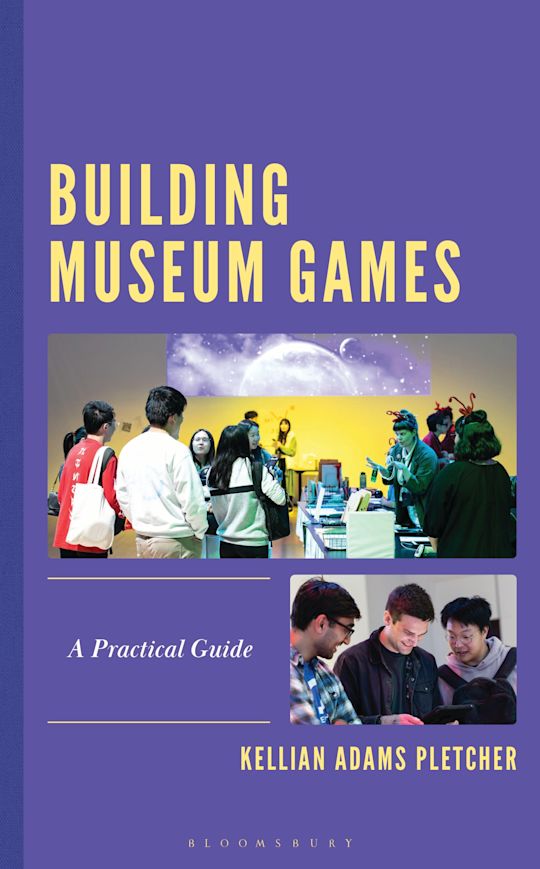

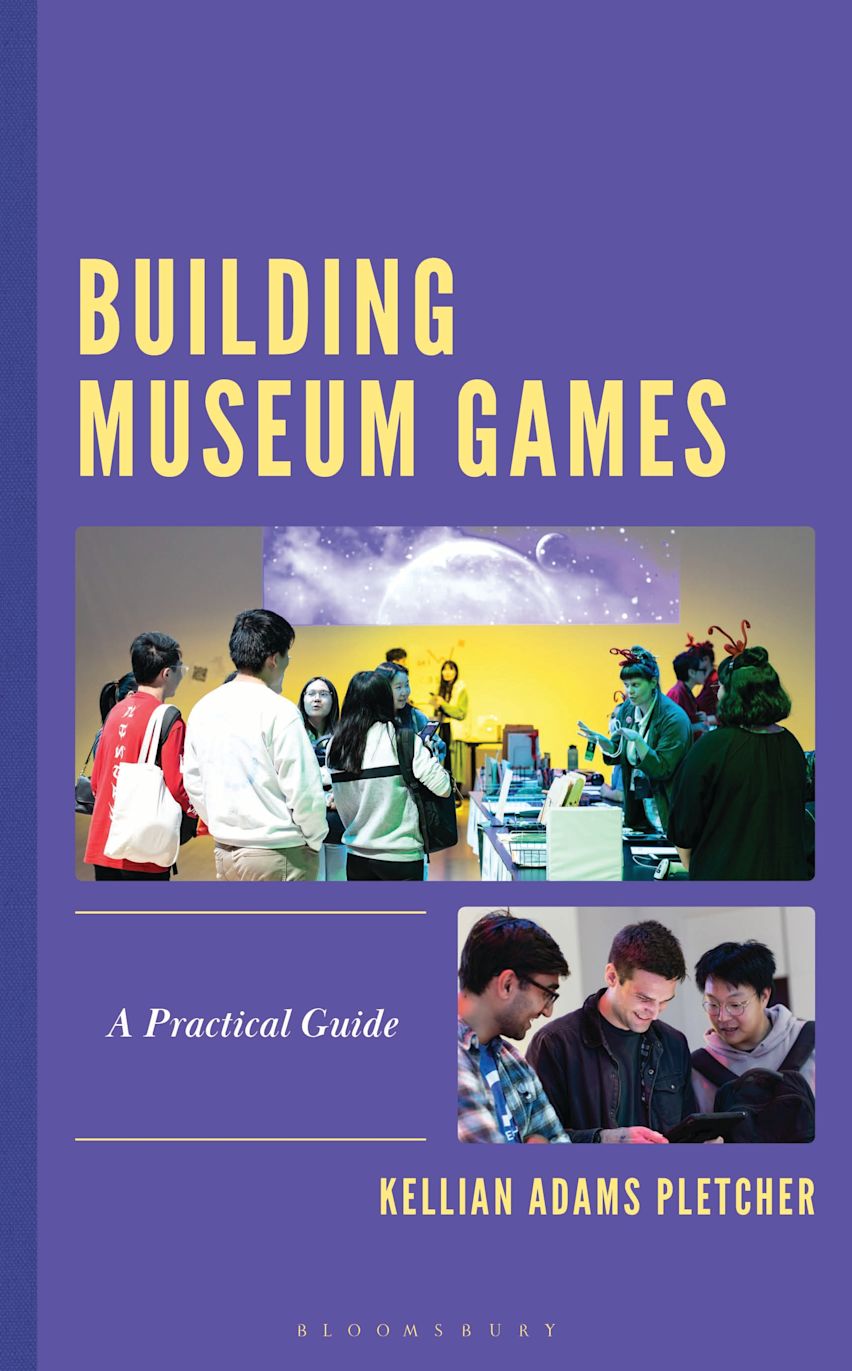
Description
This book bridges the gap between museum professionals and game designers, providing strategies for creating engaging digital, analog, or digital/physical games for museums. Through a series of examples, templates and activities, readers of this book can learn a structured process of game design, including approaches for how to:
- Establish design parameters
- Build simple wireframes
- Create prototypes
- Work with contractors
- Build basic budgets and schedules
- Engage visitors as testers and collaborators
The book highlights the continuous cycle of testing and improvement that makes games such a lively and vibrant medium for visitor engagement. All of these techniques are tailored to the unique challenges of designing games in the museum world and include practical considerations on how to build with and within an institution.
Accessibility Information
Additional accessibility information
- PDF/UA-2, 1.4
- accessibility@bloomsbury.com
Hazards
The publication contains no hazards
Support for non-visual reading
Has alternative text descriptions for images
Navigation
- Page list to go to pages from the print source version
- Elements such as headings, tables, etc for structured navigation
- All or substantially all textual matter is arranged in a single logical reading order
Table of Contents
Preface
Chapter 1. Play
Chapter 2. Permission
Chapter 3. Planning
Chapter 4. Parameters
Chapter 5. Proposals
Chapter 6. Playmaps
Chapter 7. Playtesting
Chapter 8. Production
Chapter 9. Postmortem
Index
About the Author
Product details

| Published | Feb 19 2026 |
|---|---|
| Format | Ebook (PDF) |
| Edition | 1st |
| Pages | 152 |
| ISBN | 9798216379782 |
| Imprint | Bloomsbury Academic |
| Illustrations | 23 bw illustrations |
| Publisher | Bloomsbury Publishing |

Reviews

ONLINE RESOURCES
Bloomsbury Collections
This book is available on Bloomsbury Collections where your library has access.
Related Titles