Mysticism as Philosophy
A Reappraisal of Apophatic Thought in Western and Indian Traditions
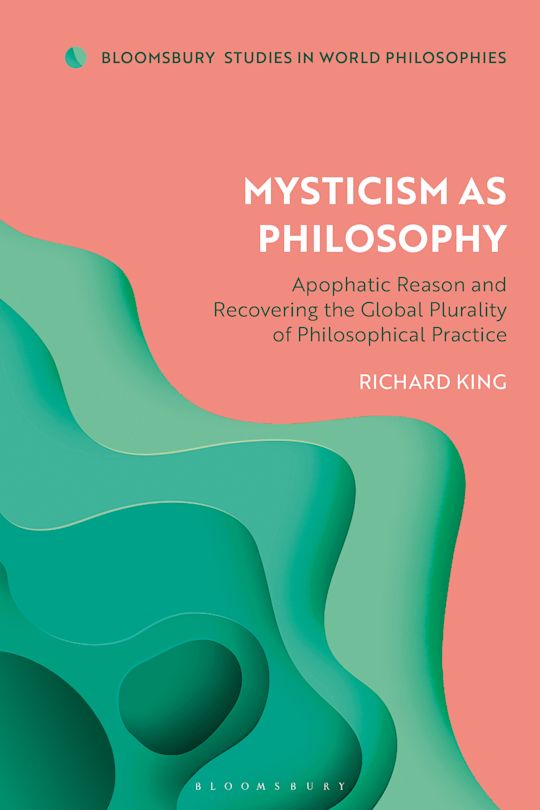

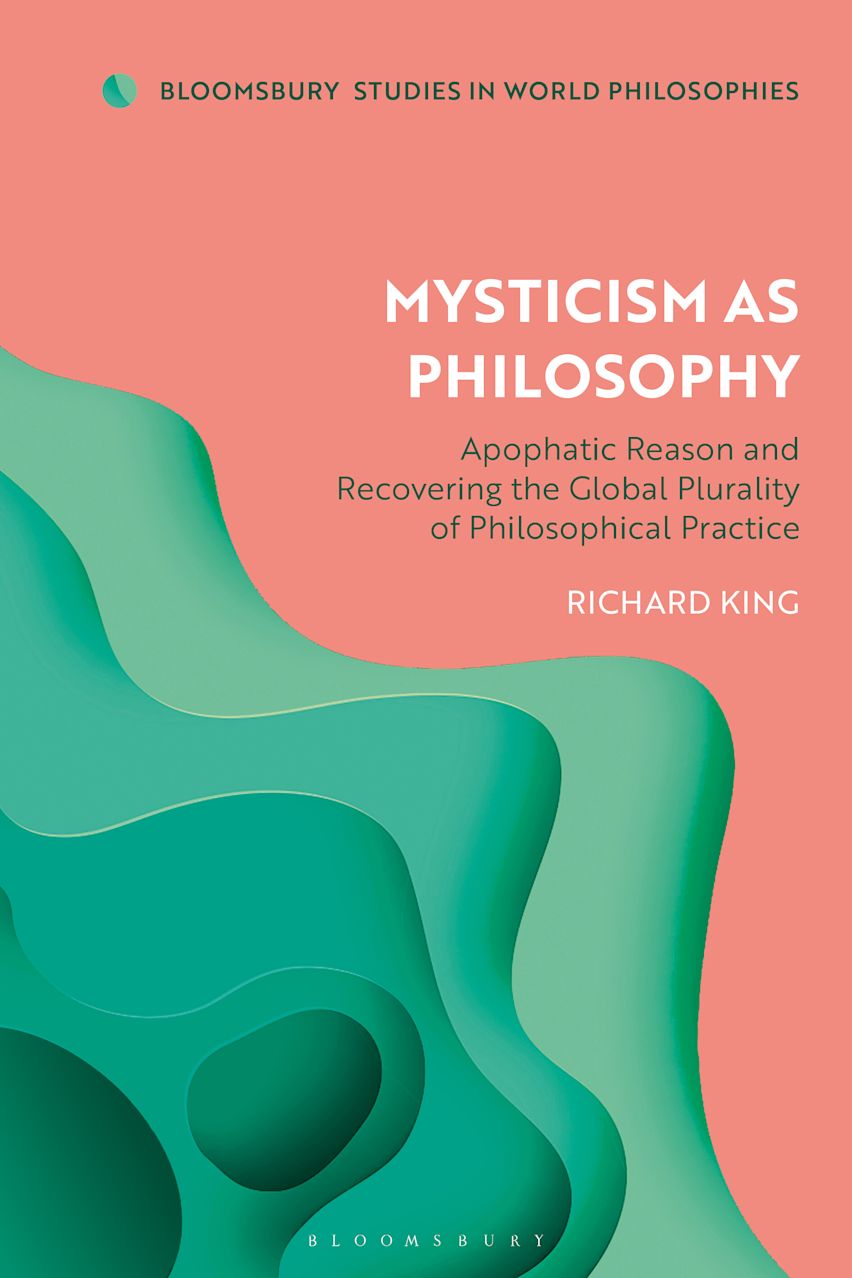
Mysticism as Philosophy
A Reappraisal of Apophatic Thought in Western and Indian Traditions
Description
Richard King challenges the modern, psychologised notion of mysticism, which has often shielded philosophy from engaging with a long, rigorous and diverse tradition of apophatic critique.
In this study, rather than treating apophasis as an ineffable feeling, King presents it as a sustained philosophical argument. He explores its core strategies, including dismantling concepts, questioning representational language and loosening the grip of possessive subjectivity, across three major traditions: Western negative thought, Advaita Vedanta and Indian Mahayana.
These traditions, read comparatively yet on their own terms, reveal convergent strategies that unsettle ontological assumptions about substance, self, and ultimacy while expanding the repertoire of what counts as philosophical reasoning. The result is a direct challenge to modern boundary-work that isolates 'mysticism' from philosophy. By relocating apophasis at the centre of philosophical inquiry, King proposes a broader, cross-cultural history of philosophy in which arguments about non-duality, emptiness, ethics, and the limits of concept and will are not marginal curiosities but canonical problems.
This reframing calls for revisions to curricula, to the philosophy–theology divide, and to the analytic/continental map, while opening new lines of debate in metaphysics, epistemology, and moral psychology.
Accessibility Information
Additional accessibility information
- PDF/UA-2, 1.4
- accessibility@bloomsbury.com
Hazards
The publication contains no hazards
Support for non-visual reading
Has alternative text descriptions for images
Navigation
- Page list to go to pages from the print source version
- Elements such as headings, tables, etc for structured navigation
- All or substantially all textual matter is arranged in a single logical reading order
Table of Contents
Chapter 1: Philosophy, Religion and the Modern Birth of Mysticism
Chapter 2: Spirituality and the Death of the Mystical
Chapter 3: Disentangling Western Apophatic Thought from the Category of Mysticism
Chapter 4: Dialectical Theism in Advaita Vedanta and Meister Eckhart
Chapter 5: Apophatic Dialectic and Creation in Eckhart and Sankara
Chapter 6: Buddhist Apophasis: the Perfection of Wisdom literature
Chapter 7: Transcendental Affirmation in the Vajracchedika (Diamond-Cutter) Sutra
Chapter 8. Ekstasis: The Apophatic Critique of the Sensory Imagination
Chapter 9: Kenosis and the Emptying of the Will in Western and Indian Apophatic Traditions
Chapter 10: Apophasis and the Reinvention of Philosophy as a Global Practice
Conclusion
Product details

| Published | 04 Feb 2027 |
|---|---|
| Format | Ebook (PDF) |
| Edition | 1st |
| Pages | 320 |
| ISBN | 9781350642423 |
| Imprint | Bloomsbury Academic |
| Series | Bloomsbury Studies in World Philosophies |
| Publisher | Bloomsbury Publishing |
Related Titles