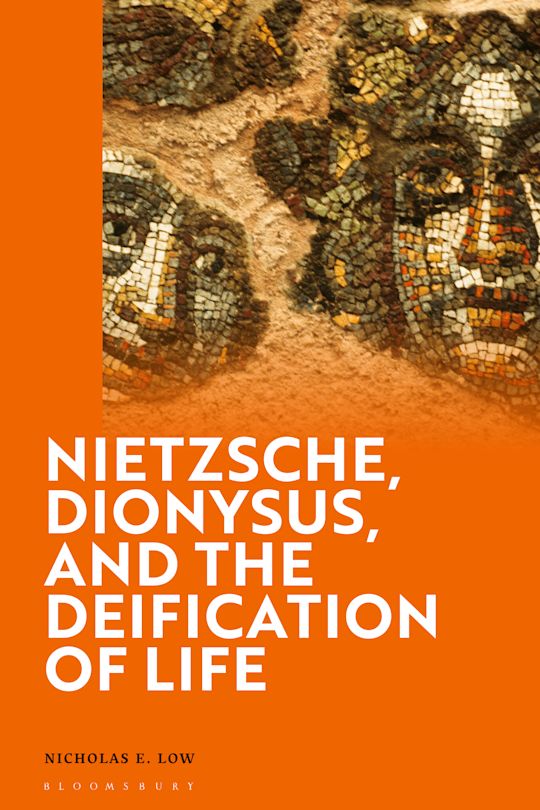

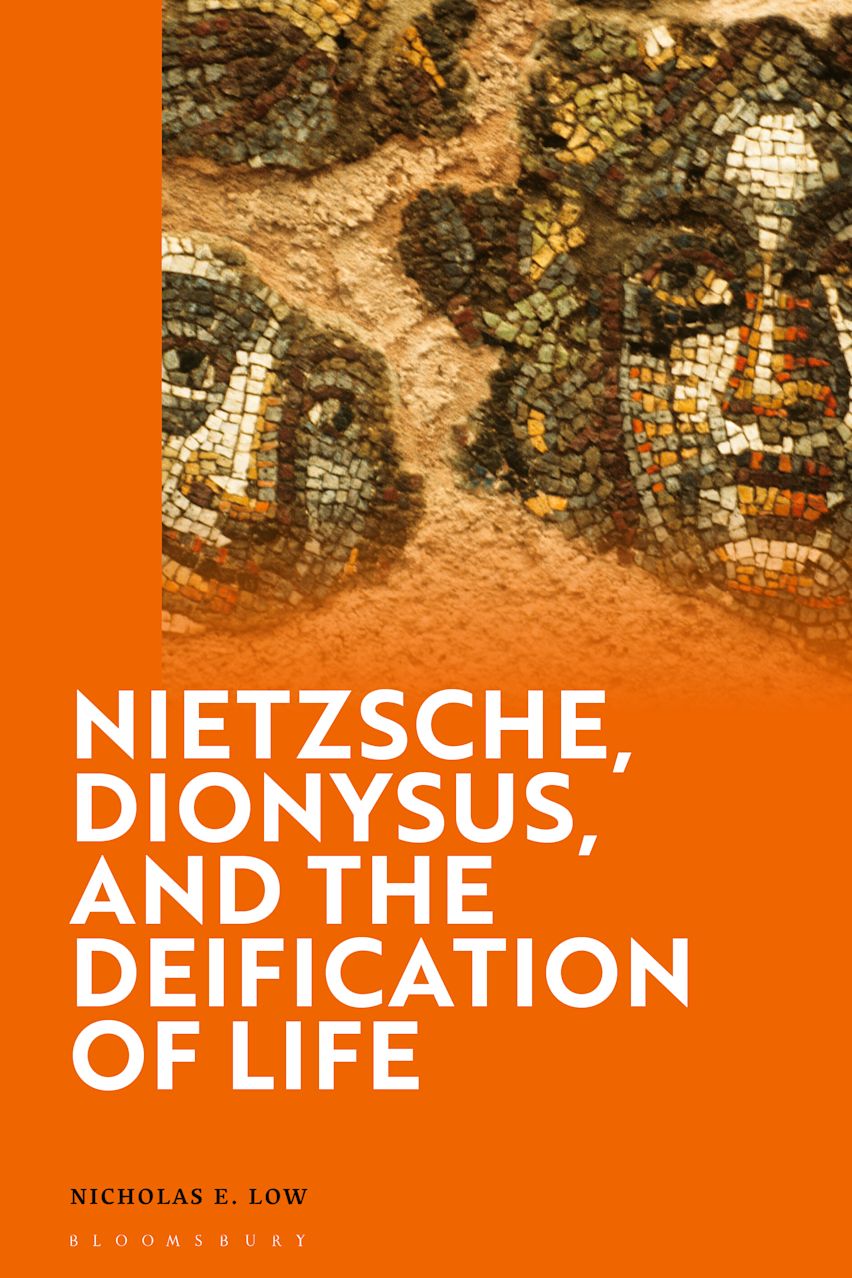
Nietzsche, Dionysus, and the Deification of Life
Description
Exploring Nietzsche's conception of divinity and human deification, this book asks what it might mean to heed his calls for the recovery of a more joyful and divine form of life.
Balancing close readings of Nietzsche's most famous ideas – the will to power, the superhuman, amor fati, the eternal recurrence, and the centrality of Dionysus – with the preoccupations of contemporary philosophy, Nietzsche, Dionysus and the Deification of Life constructs a new reading of Nietzsche's view of human vitality. Along the way, Nicholas E. Low broaches questions about the role of philosophy in contemporary life, the boundaries of modern academic disciplines, the power of reading and writing, and the possible futures of Dionysian philosophy.
The book begins with an analysis of The Birth of Tragedy, and interprets The Gay Science, Thus Spoke Zarathustra, Beyond Good and Evil, and Ecce Homo to explain the shift in Nietzsche's thought from profound tragedy to satyr-like playfulness and self-parody. Whilst many scholars have acknowledged the importance of laughter, playfulness, and comedy in Nietzsche's writing, few have recognized that Nietzsche invests these categories with the capacity to transform and deify human life. Low demonstrates that for Nietzsche, seriousness, the “spirit of gravity,” and Socratism have historically condemned humanity to meagre and reduced forms of life. Dionysus is therefore not only the name of an ancient god, but also the power of joyful play that Nietzsche hopes will help humanity overcome seriousness and transform itself into something genuinely new.
Accessibility Information
Additional accessibility information
- PDF/UA-2, 1.4
- accessibility@bloomsbury.com
Hazards
The publication contains no hazards
Support for non-visual reading
Has alternative text descriptions for images
Navigation
- Page list to go to pages from the print source version
- Elements such as headings, tables, etc for structured navigation
- All or substantially all textual matter is arranged in a single logical reading order
Table of Contents
Part I: Tragic Philosophy
1. Philosophy and Style in The Birth of Tragedy
2. Tragedy and Comedy in The Gay Science
3. Zarathustra's Tragic Teaching
Part II: Satyr
4. Zarathustra's Holy Buffoonery
5. Esotericism and Parody in Beyond Good and Evil
6. Laughter and Health in the Second Edition of The Gay Science
Part III: Apotheosis
7. The Rebirth of Dionysus
Conclusion: God of Masks - Tears, Joy, and Holy Laughter
Product details

| Published | 12 Nov 2026 |
|---|---|
| Format | Ebook (PDF) |
| Edition | 1st |
| Pages | 280 |
| ISBN | 9781350525221 |
| Imprint | Bloomsbury Academic |
| Illustrations | 10 bw illus |
| Publisher | Bloomsbury Publishing |
Reviews
Related Titles